

9 Global Food Trends Changing How People Eat This Year

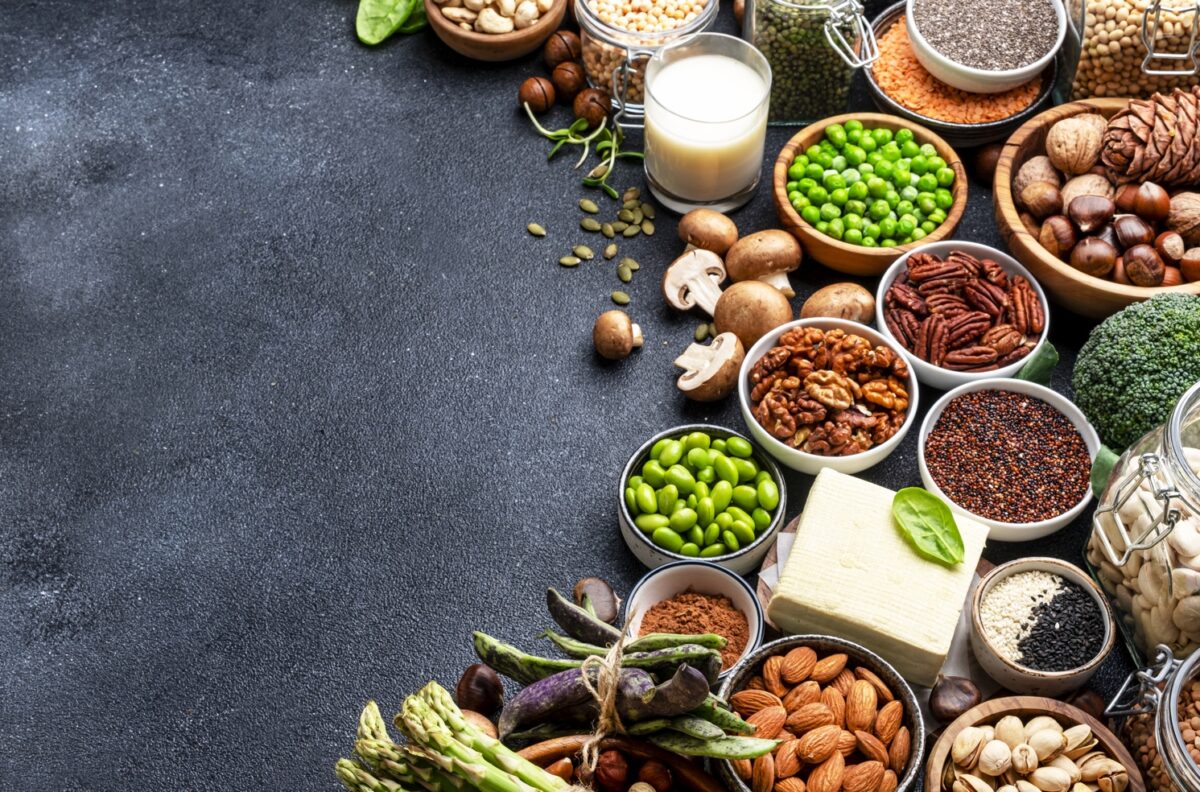
Global food trends are reshaping diets, health, and sustainability in 2026
The way people eat is evolving faster than ever. Rising food prices, growing health awareness, advances in food technology, and increasing concern for the environment are transforming dining tables across the globe. In 2026, consumers are choosing foods that not only taste good but also support better health, reduce environmental impact, and fit increasingly busy lifestyles.
From AI-powered personalized nutrition to plant-based proteins and functional beverages, this year’s biggest food trends reflect a shift toward smarter, healthier, and more sustainable eating habits.
Here are the nine global food trends shaping how millions of people eat in 2026.
1. Personalized Nutrition Powered by AI
Artificial intelligence is revolutionizing nutrition by helping people create customized meal plans based on their age, lifestyle, health goals, allergies, and even genetic information.
Many nutrition apps now analyze eating habits and recommend foods that improve energy, weight management, and overall wellness. Personalized diets are becoming increasingly popular as consumers move away from one-size-fits-all meal plans.
2. Plant-Based Foods Continue to Grow
Plant-based eating remains one of the strongest global food movements.
Consumers are adding more vegetables, legumes, nuts, seeds, and alternative proteins into their diets, even if they are not fully vegetarian or vegan. New meat alternatives now offer improved taste and texture, making plant-based meals more appealing to mainstream consumers.
Restaurants and supermarkets continue expanding their plant-based offerings to meet growing demand.
3. Functional Foods Are Becoming Everyday Essentials
People increasingly expect food to provide health benefits beyond basic nutrition.
Foods enriched with probiotics, vitamins, antioxidants, collagen, omega-3 fatty acids, and fiber are gaining popularity for supporting digestion, immunity, brain function, and overall wellness.
Functional yogurts, protein snacks, fortified cereals, and nutrient-rich beverages are becoming staples in many households.
4. Sustainable and Climate-Friendly Eating
Environmental concerns continue influencing food choices worldwide.
Consumers are looking for locally produced foods, seasonal ingredients, sustainable seafood, and products with environmentally friendly packaging. Many shoppers also pay attention to food waste and carbon footprints when making purchasing decisions.
Restaurants and food manufacturers are responding by introducing more sustainable sourcing practices.
5. High-Protein Diets Expand Beyond Athletes
Protein-rich foods are no longer aimed only at gym enthusiasts.
Eggs, Greek yogurt, lean meats, beans, lentils, chickpeas, protein drinks, and high-protein snacks have become everyday choices for consumers seeking improved satiety, muscle maintenance, and healthy aging.
Food companies are now adding protein to cereals, coffee drinks, desserts, and baked goods.
READ ALSO
10 High-Protein Foods Replacing Traditional Snacks in 2026
7 Foods Nutrition Experts Are Eating More of in 2026
6. Fermented Foods Continue Their Comeback
Traditional fermented foods are enjoying renewed popularity thanks to growing awareness of gut health.
Kimchi, kefir, kombucha, sauerkraut, miso, yogurt, and other fermented products are increasingly consumed to support digestive health and maintain a balanced gut microbiome.
Nutrition experts continue highlighting the connection between gut health and overall wellbeing.
7. Global Flavors Are Becoming Mainstream
Consumers are becoming more adventurous with international cuisine.
Foods inspired by Korean, Japanese, Mexican, African, Middle Eastern, Indian, and Southeast Asian cooking are appearing more frequently in restaurants, supermarkets, and home kitchens.
Authentic spices, regional sauces, and traditional cooking techniques are introducing people to diverse culinary experiences.
8. Healthy Convenience Foods Are in High Demand
Busy lifestyles continue driving demand for nutritious ready-to-eat meals.
Instead of highly processed convenience foods, consumers are choosing frozen vegetables, fresh meal kits, protein bowls, healthy snacks, overnight oats, and prepared meals made with cleaner ingredients.
The focus is on saving time without sacrificing nutrition.
9. Functional Beverages Replace Sugary Drinks
The beverage market is experiencing rapid innovation.
Consumers are replacing sugary soft drinks with beverages offering added health benefits, including electrolyte drinks, herbal teas, protein shakes, adaptogenic beverages, probiotic drinks, and vitamin-infused water.
Many brands now market drinks designed to support hydration, focus, sleep, digestion, and stress management.
Why These Food Trends Matter
These trends reflect a broader shift in consumer priorities.
People increasingly want food that supports long-term health while remaining convenient, affordable, and environmentally responsible. Advances in food technology, changing lifestyles, and greater nutrition awareness are expected to continue shaping eating habits well beyond 2026.
For businesses, restaurants, and food manufacturers, adapting to these preferences will remain essential as consumer expectations continue evolving.
Whether it’s embracing personalized nutrition, reducing food waste, or exploring international flavors, the future of food is becoming healthier, smarter, and more sustainable.
FAQ
What are the biggest global food trends in 2026?
The biggest food trends include personalized nutrition, plant-based eating, sustainable food choices, functional foods, high-protein diets, fermented foods, global cuisines, healthy convenience meals, and functional beverages.
Why are eating habits changing?
People are becoming more health-conscious while also considering sustainability, convenience, food technology, and personalized nutrition when making food choices.
What is personalized nutrition?
Personalized nutrition uses individual information such as age, health status, activity level, and sometimes genetic data to recommend customized diets.
Why are plant-based foods becoming more popular?
Consumers are choosing plant-based foods for health benefits, environmental sustainability, and greater food variety, even if they are not fully vegetarian.
What are functional foods?
Functional foods provide additional health benefits beyond basic nutrition. Examples include probiotic yogurt, fortified cereals, omega-3 eggs, and vitamin-enriched beverages.
Are high-protein diets only for athletes?
No. High-protein diets are now popular among people of all ages because protein supports muscle health, weight management, and satiety.
Why are fermented foods trending?
Fermented foods contain beneficial bacteria that may support gut health, digestion, and immune function.
What is sustainable eating?
Sustainable eating focuses on choosing foods that have a lower environmental impact, including locally grown produce, seasonal foods, sustainable seafood, and products with eco-friendly packaging.
Which global cuisines are trending in 2026?
Korean, Japanese, African, Indian, Mexican, Middle Eastern, and Southeast Asian cuisines continue to gain popularity worldwide.
What are functional beverages?
Functional beverages are drinks formulated with ingredients that may support hydration, digestion, immunity, focus, sleep, or overall wellness.
Will these food trends continue beyond 2026?
Many experts believe these trends will continue growing as consumers prioritize healthier lifestyles, sustainability, and advances in food technology.
How can I start following these food trends?
You can begin by adding more whole foods, trying plant-based meals, reducing food waste, eating more fermented foods, exploring international cuisines, and choosing healthier beverages.