

10 High-Protein Foods Replacing Traditional Snacks in 2026

A selection of high-protein foods including Greek yogurt, cottage cheese, eggs, nuts, and edamame
The way people snack is changing rapidly in 2026. Across supermarkets, fitness communities, workplaces, and social media, high-protein foods are steadily replacing traditional snacks such as potato chips, candy bars, sugary biscuits, and heavily processed treats.
Growing awareness of nutrition, weight management, muscle health, and blood sugar control has fueled demand for foods that provide longer-lasting energy and greater satiety. Food manufacturers have also responded by expanding protein-rich options that are both convenient and flavorful.
Nutrition experts say protein-rich snacks can help reduce hunger between meals, support muscle maintenance, and improve overall dietary quality when paired with balanced eating habits. While no single food is a cure-all, these nutrient-dense choices are becoming some of the most popular alternatives to conventional snack foods.
Here are 10 high-protein foods leading the healthy snacking trend in 2026.
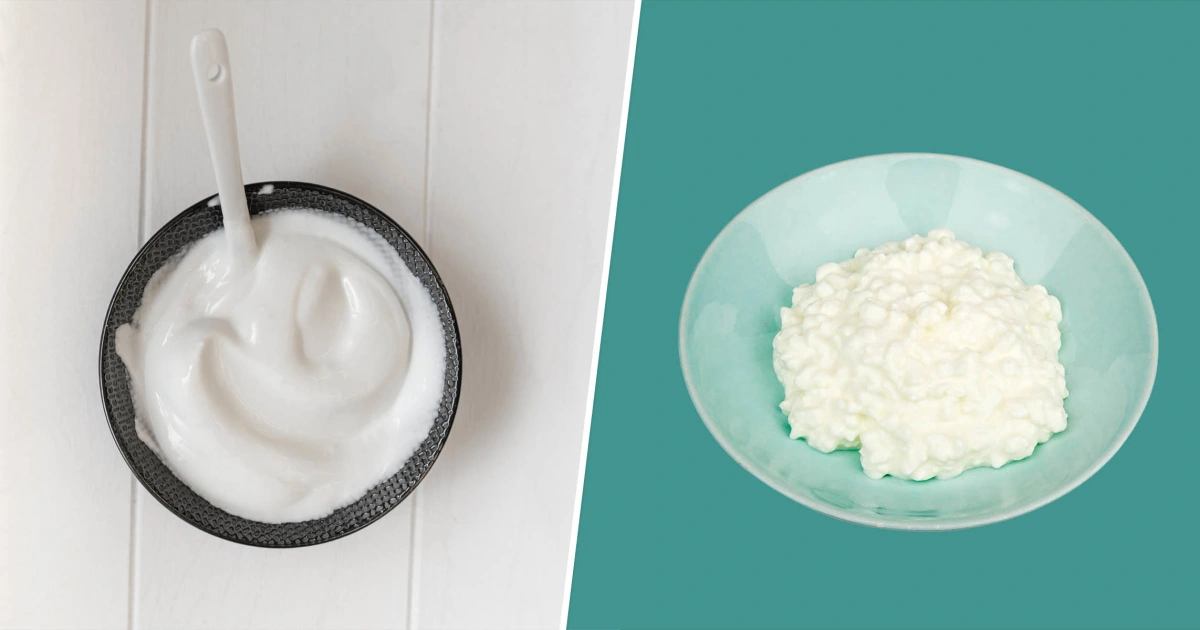
1. Greek Yogurt
Greek yogurt remains one of the most popular protein-rich snacks thanks to its creamy texture and impressive nutritional profile.
A single serving often contains 15–20 grams of protein, depending on the brand. It also provides calcium and probiotics that support gut health.
Plain, unsweetened varieties are generally preferred because they contain less added sugar. Fresh berries, seeds, or nuts can be added for extra fiber and healthy fats.
2. Cottage Cheese
Once considered an old-fashioned food, cottage cheese has experienced a major comeback.
Rich in casein protein, it provides a slow release of amino acids that can help keep people feeling full for longer periods. It pairs well with fruit, vegetables, herbs, or whole-grain crackers.
3. Hard-Boiled Eggs
Eggs continue to rank among the most affordable and nutrient-dense protein snacks available.
Each large egg contains around 6 grams of high-quality protein, along with vitamins, minerals, and healthy fats. They are portable, filling, and require minimal preparation.
4. Roasted Edamame
Roasted edamame has become a favorite for people looking for a crunchy alternative to potato chips.
Made from young soybeans, it delivers plant-based protein together with fiber, iron, and magnesium. The combination helps promote fullness while offering a satisfying texture.
5. Beef or Turkey Jerky
Lean jerky products remain a convenient option for busy professionals, travelers, and athletes.
Many brands now offer lower-sodium, minimally processed versions made without excessive preservatives. Protein content often ranges from 10 to 15 grams per serving.
Consumers are encouraged to compare labels because sodium levels can vary widely.
READ ALSO
7 Foods Nutrition Experts Are Eating More of in 2026
6 Eating Habits From Around the World Worth Adopting
6. Mixed Nuts and Seeds
Almonds, pistachios, peanuts, walnuts, pumpkin seeds, and sunflower seeds continue to gain popularity as nutrient-rich snacks.
Although they contain healthy fats and are calorie-dense, moderate portions provide protein, fiber, antioxidants, and important minerals that support heart health.
7. Protein Smoothies
Ready-to-drink protein shakes and homemade smoothies have become increasingly common among consumers seeking convenient nutrition.
Blending protein powder with milk, yogurt, fruits, and vegetables creates a snack that delivers protein alongside vitamins and fiber.
Nutritionists recommend choosing products with limited added sugars and recognizable ingredients.
8. Cheese Snacks
Individually packaged cheese sticks, cubes, and mini cheeses have become staples for people seeking portable protein.
Cheese also supplies calcium, vitamin B12, and phosphorus. Pairing cheese with fresh fruit or vegetables can create a more balanced snack.
9. Chickpeas
Roasted chickpeas provide a crunchy, fiber-rich snack that appeals to both vegetarians and meat eaters.
They contain plant protein together with complex carbohydrates that help maintain energy levels throughout the day.
Many brands now offer flavored varieties ranging from sea salt to spicy seasonings.
10. Protein Bars with Simple Ingredients
Protein bars continue evolving as manufacturers reduce added sugars and artificial ingredients.
Consumers increasingly favor bars made with oats, nuts, seeds, whey protein, or pea protein while avoiding excessive sweeteners.
Reading nutrition labels remains important because protein bars differ significantly in ingredient quality and nutritional value.
Why High-Protein Snacks Are Becoming More Popular
Several trends are driving the shift toward protein-rich snacking.
Consumers are placing greater emphasis on overall wellness, weight management, fitness, and healthy aging. Protein helps maintain muscle mass, particularly as people grow older, while also increasing feelings of fullness after eating.
Busy lifestyles have also increased demand for convenient foods that provide sustained energy without the rapid blood sugar spikes often associated with sugary snacks.
Social media platforms, fitness influencers, and registered dietitians have further popularized protein-rich eating habits by sharing recipes, meal ideas, and nutrition education.
Choosing Healthy Protein Snacks
While protein is important, experts recommend looking beyond the protein number alone.
The healthiest snacks generally contain balanced amounts of protein, fiber, healthy fats, vitamins, and minerals while limiting excessive added sugars, sodium, and highly processed ingredients.
Combining protein with fruits, vegetables, or whole grains often provides greater nutritional benefits than relying on processed protein products alone.
As consumer demand continues to reshape grocery shelves, high-protein snacks appear likely to remain one of the strongest food trends throughout 2026.
FAQ
What are the healthiest high-protein snacks?
Greek yogurt, cottage cheese, boiled eggs, roasted edamame, mixed nuts, roasted chickpeas, cheese, and minimally processed protein bars are among the healthiest options.
Why are people choosing high-protein snacks in 2026?
Consumers are increasingly seeking snacks that provide longer-lasting energy, support muscle health, promote fullness, and reduce reliance on highly processed foods high in added sugar.
Can high-protein snacks help with weight loss?
Protein can increase satiety, which may help reduce overeating. Weight loss still depends on overall calorie intake, physical activity, and balanced nutrition.
What snack has the most protein?
Greek yogurt, lean jerky, cottage cheese, and some protein shakes typically provide some of the highest protein content per serving among common snack foods.
Are protein bars healthy?
Some are. Choose protein bars with simple ingredients, adequate protein, fiber, and minimal added sugar. Nutrition labels vary widely between brands.
What can I eat instead of potato chips?
Roasted edamame, roasted chickpeas, mixed nuts, pumpkin seeds, and air-popped popcorn paired with a protein source are healthier alternatives.
How much protein should a snack contain?
Many dietitians recommend aiming for around 10–20 grams of protein in a snack, though individual needs vary based on age, activity level, and overall diet.
Are eggs a good high-protein snack?
Yes. Eggs provide complete protein along with vitamins, minerals, and healthy fats, making them a convenient and nutritious snack.
Which high-protein snacks are vegetarian?
Greek yogurt, cottage cheese, edamame, chickpeas, nuts, seeds, cheese, and many plant-based protein bars are suitable vegetarian options.
Can high-protein snacks improve energy levels?
Protein can help promote steady energy by supporting satiety. Pairing protein with fiber-rich carbohydrates, such as fruit or whole grains, often provides more sustained energy throughout the day.
What should I look for when buying protein snacks?
Choose snacks with high-quality protein, limited added sugar, moderate sodium, and whole-food ingredients. Foods that also provide fiber, healthy fats, and micronutrients offer additional nutritional value.
Are high-protein snacks suitable for everyone?
Most healthy adults can include protein-rich snacks as part of a balanced diet. Individuals with certain medical conditions, such as kidney disease, should follow advice from their healthcare provider regarding protein intake.