

7 Foods Nutrition Experts Are Eating More of in 2026

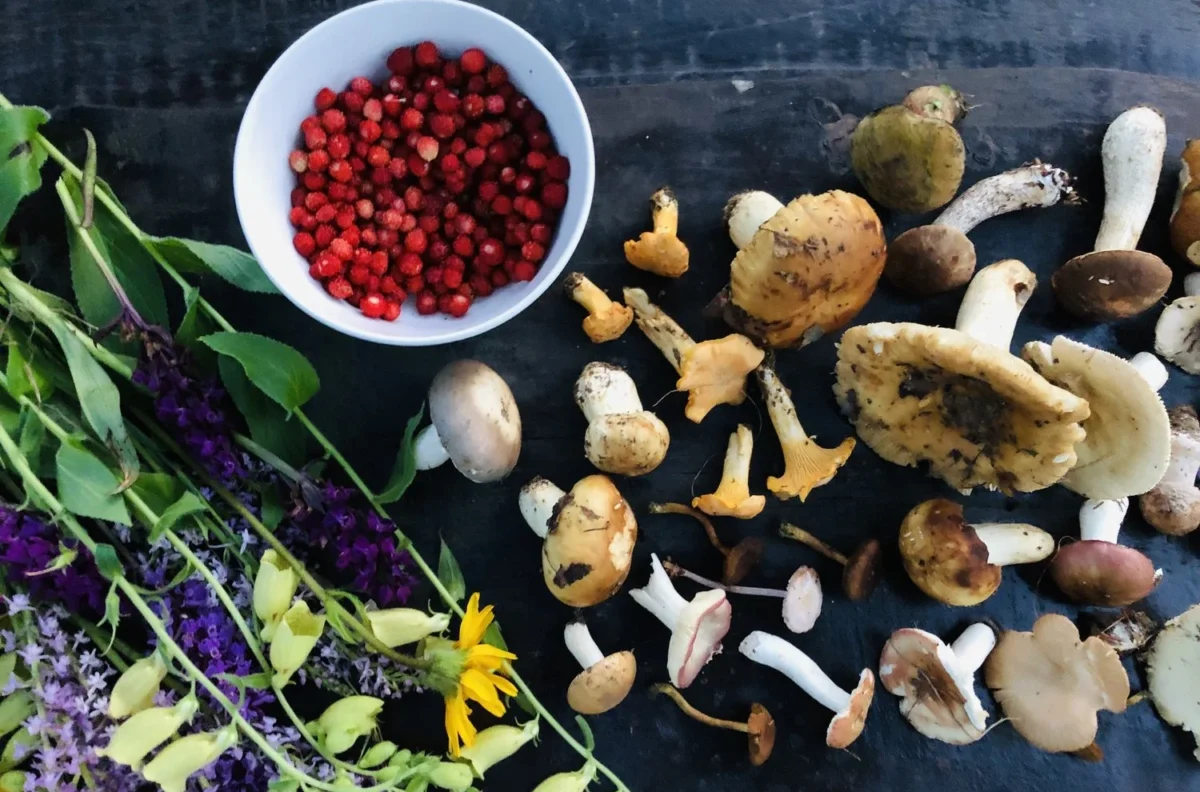
Nutrition experts reveal the healthiest foods trending in 2026
The conversation around healthy eating continues to evolve, with nutrition experts increasingly focusing on foods that support long-term wellness, metabolic health and disease prevention rather than restrictive dieting trends.
In 2026, dietitians and nutrition researchers are highlighting a growing list of foods that offer impressive benefits for gut health, cognitive performance, immune function and healthy aging. Many of these foods are affordable, minimally processed and backed by expanding scientific evidence.
1. Fermented Foods Continue Their Rise
Fermented foods such as yogurt, kefir, kimchi, sauerkraut and miso remain among the most recommended foods this year.
Researchers continue to uncover links between a diverse gut microbiome and improved digestion, stronger immunity and even better mental health. Fermented foods introduce beneficial bacteria that may help support this microbial balance.
Nutrition experts increasingly view gut health as a foundation for overall wellbeing, making fermented foods a staple in many healthy eating plans.
2. Legumes Are Becoming Everyday Superfoods
Beans, lentils and chickpeas are gaining renewed attention due to their impressive nutritional profile.
Legumes provide plant protein, fiber, iron and essential minerals while helping improve satiety and blood sugar control. Their affordability has also made them attractive amid rising food prices globally.
Studies suggest diets rich in legumes may contribute to lower risks of cardiovascular disease and improved metabolic health.
3. Seaweed Is Entering Mainstream Diets
Once considered a niche ingredient, seaweed is increasingly appearing in snacks, seasonings and meal preparations.
Seaweed contains iodine, antioxidants and unique plant compounds that may support thyroid health and reduce inflammation. Certain varieties also provide fiber that benefits gut bacteria.
As consumers seek nutrient-dense foods with sustainable production methods, seaweed is becoming one of the year’s fastest-growing nutrition trends.
4. Berries Remain a Favorite for Brain Health
Blueberries, strawberries, blackberries and raspberries continue to receive praise from health professionals.
Berries are rich in antioxidants known as anthocyanins, compounds linked to improved cognitive health and reduced oxidative stress. Research suggests regular berry consumption may support memory and healthy aging.
Their naturally sweet taste also makes them a healthier alternative to processed desserts and sugary snacks.
READ ALSO
6 Eating Habits From Around the World Worth Adopting
8 Healthy Foods People Often Prepare the Wrong Way
5. Nuts and Seeds Are Being Prioritised
Nutrition experts are increasingly encouraging daily consumption of walnuts, almonds, chia seeds, flaxseeds and pumpkin seeds.
These foods provide healthy fats, protein and important micronutrients including magnesium and omega-3 fatty acids. They may support heart health, improve cholesterol levels and contribute to better brain function.
Small servings can significantly enhance nutrient intake without requiring major dietary changes.
6. Mushrooms Are Gaining New Attention
Mushrooms have emerged as one of the most discussed functional foods of 2026.
Varieties such as shiitake, oyster and lion’s mane contain compounds that may support immune health and cognitive function. Scientists are continuing to study their potential role in inflammation reduction and neurological wellness.
Their versatility and low calorie content have also made them popular among individuals pursuing balanced eating patterns.
7. Ancient Grains Are Making a Comeback
Foods like quinoa, farro, millet and sorghum are increasingly replacing refined grains in many diets.
Ancient grains generally provide more fiber, vitamins and minerals than highly processed alternatives. They also contribute to improved digestive health and prolonged feelings of fullness.
Nutrition professionals view these grains as an important component of dietary patterns associated with longevity and reduced chronic disease risk.
Why These Foods Matter in 2026
A common theme connects all seven foods: they emphasise nutrient density, gut health and sustainable eating habits.
Health experts are moving away from short-term diet fads and focusing instead on foods that support long-term wellness. Increasing evidence suggests that dietary patterns rich in fiber, antioxidants and minimally processed ingredients may lower risks associated with heart disease, diabetes and cognitive decline.
Consumers are also becoming more interested in preventive health strategies, driving demand for foods that can support energy levels, immunity and healthy aging.
As nutrition science advances, these foods are likely to remain central to discussions surrounding the future of healthy eating.
FAQ
What are the healthiest foods to eat in 2026?
Nutrition experts increasingly recommend fermented foods, legumes, berries, seaweed, nuts, seeds, mushrooms and ancient grains because of their nutrient density and long-term health benefits.
Why are fermented foods becoming more popular?
Fermented foods support gut health by introducing beneficial bacteria into the digestive system, potentially improving immunity, digestion and mental wellbeing.
Are berries really considered a superfood?
Yes. Berries contain high levels of antioxidants and plant compounds that may help protect against inflammation, support brain health and promote healthy aging.
Why are nutritionists eating more legumes?
Legumes provide affordable plant protein, fiber and important minerals. They are also associated with improved heart health and better blood sugar management.
What foods help with longevity?
Research suggests diets rich in legumes, nuts, berries, whole grains and minimally processed plant foods are linked with longer life expectancy and reduced risk of chronic disease.
Are mushrooms good for brain health?
Certain mushroom varieties, particularly lion’s mane, are being studied for their potential effects on cognitive function and neurological health.
Why is seaweed trending in nutrition?
Seaweed offers unique nutrients such as iodine, antioxidants and fiber while also being considered an environmentally sustainable food source.
Which foods are best for gut health?
Fermented foods, legumes, berries and whole grains are among the top foods recommended for supporting a healthy gut microbiome.
What foods help reduce inflammation naturally?
Berries, nuts, seeds, mushrooms and certain fermented foods contain compounds that may help lower chronic inflammation.
Are ancient grains healthier than refined grains?
Ancient grains generally provide more fiber, vitamins and minerals and may support better digestive and metabolic health.
What is the biggest nutrition trend of 2026?
The biggest trend is the shift toward preventive nutrition, focusing on foods that improve long-term health, support the gut microbiome and promote healthy aging.