

8 Everyday Foods With Surprisingly Long Shelf Lives

8 Everyday Foods with surprisingly long self lives
Some foods spoil within days, while others can remain usable for months or even years when stored correctly. Knowing which pantry staples last longest can help households reduce food waste, plan grocery shopping and keep essential ingredients available.
Shelf life depends on factors such as moisture, temperature, packaging and exposure to air. The dates on food packaging also matter, particularly for products containing fats or other ingredients that can deteriorate over time.
Here are eight everyday foods with surprisingly long shelf lives.
1. White Rice
White rice is one of the most practical pantry staples for long-term storage. When kept dry in an airtight container in a cool, dark place, uncooked white rice can retain its quality for years.
Brown rice has a shorter shelf life because its natural oils can turn rancid more quickly. White rice is generally the better choice when long storage is the priority.
Storage tip: Keep rice away from moisture, insects and strong-smelling substances. Discard rice that shows signs of dampness, mould or pest contamination.
2. Honey
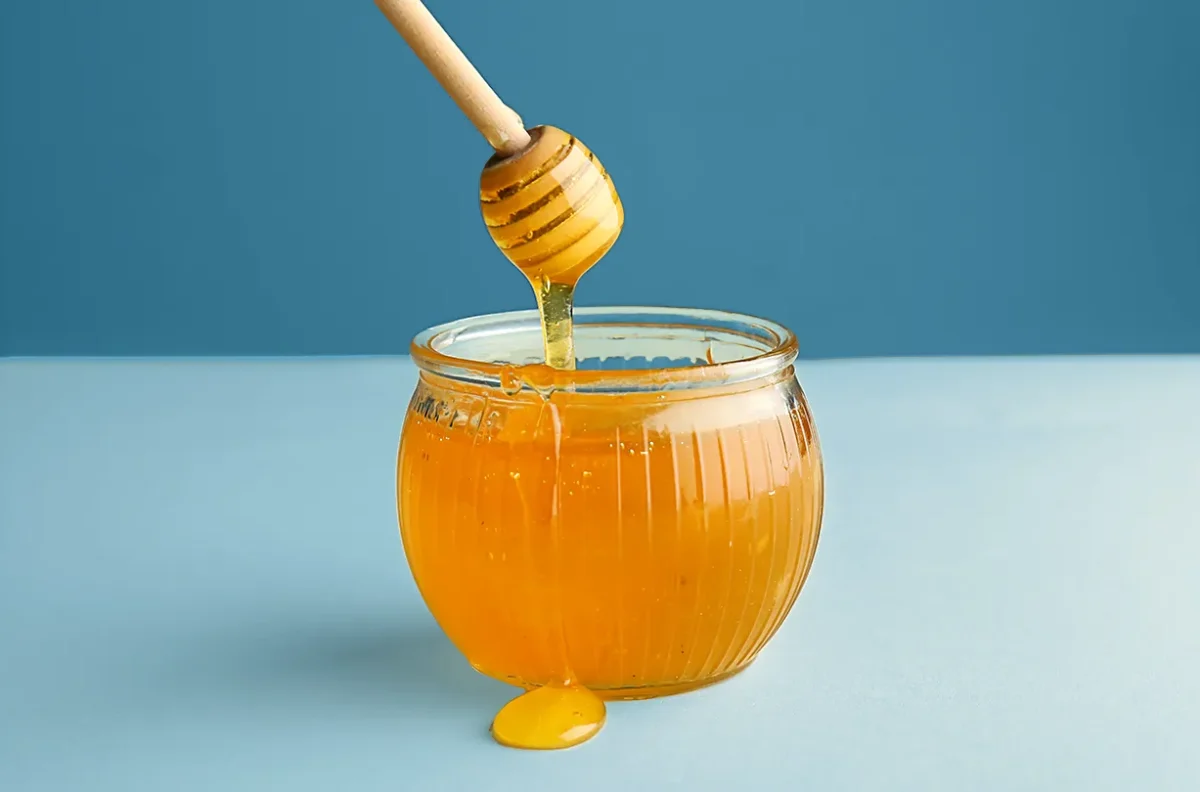
Pure honey is famous for its remarkable keeping qualities. Its low moisture content and natural acidity make it difficult for many microorganisms to grow in properly stored honey.
Honey may crystallise or become thicker over time. This does not automatically mean it has spoiled; gentle warming can often return it to a more fluid consistency.
Storage tip: Keep the container tightly closed and use a clean, dry spoon. Never introduce water or food particles into the jar.
Important: Honey should never be given to babies younger than 12 months because of the risk of infant botulism.
3. Salt
Salt can last indefinitely as a mineral when kept dry and uncontaminated. It does not spoil in the same way fresh foods do.
Table salt may contain iodine or anti-caking agents, and these additives can affect its quality over time. Even so, ordinary salt generally keeps for a long period when stored correctly.
Storage tip: Keep salt in a sealed container away from humidity. Clumping usually indicates moisture exposure rather than spoilage.
4. Dried Beans
Dried beans, including kidney beans, black-eyed peas and lentils, can last for a long time in a dry pantry. Their low moisture content helps prevent rapid microbial growth.
As dried beans age, however, they may take longer to soften during cooking. Very old beans can become difficult to cook properly even if they show no obvious signs of spoilage.
Storage tip: Store dried beans in airtight containers in a cool, dry place. Check for insects, unusual odours and signs of moisture before cooking.
READ ALSO
10 Foods People Eat Differently Around the World, and What We Can Learn From Them
5. Sugar
Granulated white sugar can remain usable indefinitely when kept dry and free from contamination. Like salt, it does not provide the conditions most microorganisms need to grow.
Sugar may harden into lumps after absorbing moisture, but that alone does not mean it has spoiled. Brown sugar can also become hard as it loses moisture.
Storage tip: Use an airtight container and keep sugar away from damp areas, pests and strong odours.
6. Dried Pasta
Unopened, commercially packaged dried pasta can often retain good quality for one to two years or longer, depending on the product and its packaging.
Its low moisture content helps it last much longer than fresh pasta. Whole-wheat pasta may deteriorate faster than ordinary dried pasta because it contains more oils that can become rancid.
Storage tip: Keep dried pasta sealed in a cool, dry cupboard. Discard it if you notice mould, moisture damage, insects or an unusual smell.
7. Vinegar
Ordinary vinegar, particularly distilled white vinegar, has a very long shelf life because of its acidity. It can remain safe and usable for years when stored properly.
Some vinegars may become cloudy or develop sediment over time. In certain varieties, this can be a natural change rather than evidence of spoilage. Follow the manufacturer’s guidance if the product changes significantly.
Storage tip: Close the cap firmly and store vinegar away from direct sunlight and excessive heat.
8. Dried Spices
Many dried spices, including turmeric, cinnamon, cloves and paprika, can remain usable for months or years. Their main problem is usually declining flavour and aroma rather than sudden spoilage.
Ground spices generally lose their potency faster than whole spices because more of their surface is exposed to air.
Storage tip: Keep spices in tightly sealed containers away from heat, light and humidity. Replace any that show signs of mould or moisture contamination.
How to Make Everyday Foods Last Longer
A few storage habits can help extend the useful life of pantry staples:
- Control moisture: Keep dry foods away from sinks, steam and damp cupboards.
- Use airtight containers: These help reduce exposure to humidity and pests.
- Store food away from heat: A cool, dark cupboard is usually better than a shelf beside a cooker.
- Check packaging dates: Best-before dates generally relate to quality, while use-by dates may indicate a safety deadline depending on the food and local labelling rules.
- Inspect food before use: Discard items showing mould, pest contamination, moisture damage or unusual odours.
Frequently Asked Questions
Which everyday food lasts the longest?
Pure honey, salt and granulated white sugar can last indefinitely under suitable storage conditions, provided they remain uncontaminated. Their quality and packaging can still change over time.
Can white rice last for years?
Yes. Properly stored uncooked white rice can retain good quality for years. Brown rice generally has a shorter shelf life because of its natural oils.
Does honey expire?
Pure honey has exceptional keeping qualities, but its texture, colour and flavour can change. Store it in a tightly sealed container and avoid introducing water or contaminants.
Do dried beans go bad?
Yes, they can deteriorate or become contaminated. Even when old dried beans are still safe, they may take much longer to soften during cooking.
How should long-lasting foods be stored?
Most dry staples last longest in cool, dark and dry conditions inside airtight containers. Always follow the storage instructions on the packaging.