

7 Popular Foods That Have a Surprisingly Interesting History

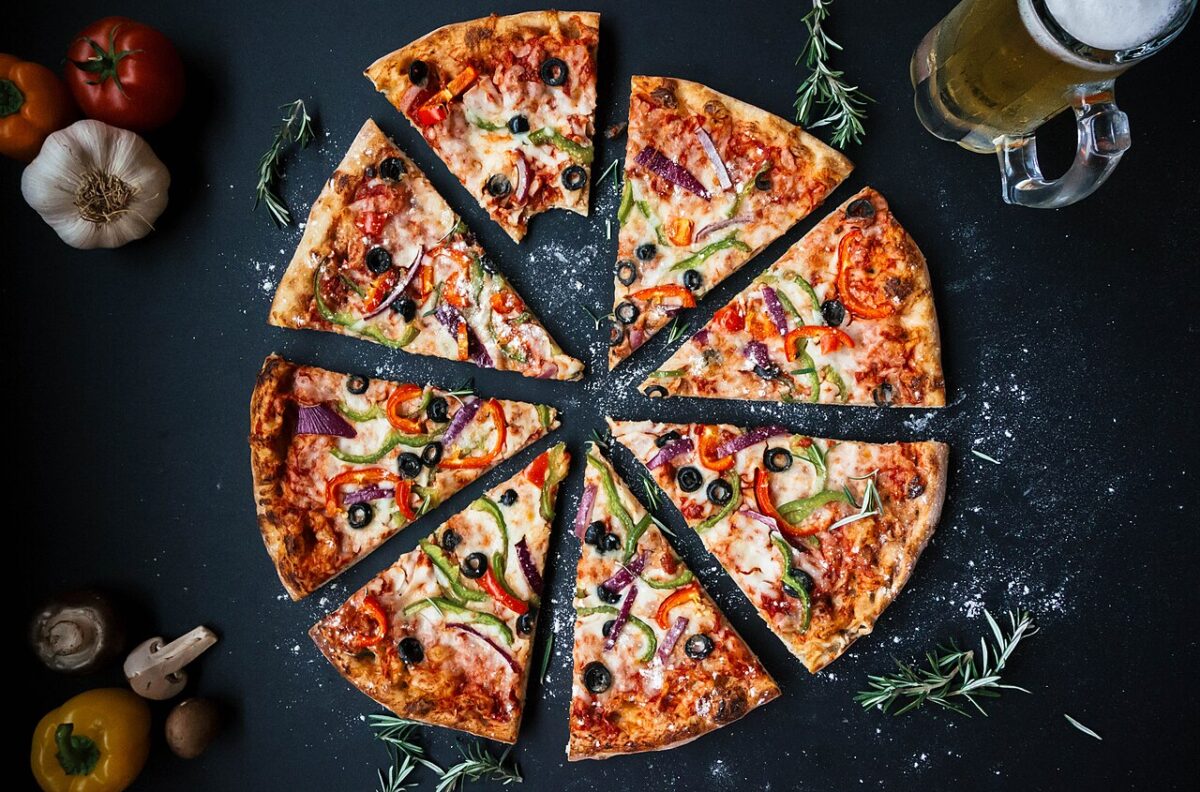
Discover the surprising history behind seven popular foods, including pizza
Many foods people eat regularly have histories that stretch far beyond the kitchens and restaurants where they are served today.
Some were created through accidents, others evolved from older dishes, while several became global favourites after travelling across continents through trade, migration and cultural exchange.
From pizza and chocolate to ice cream and French fries, these foods have stories that are just as interesting as their flavours.
1. Pizza Wasn’t Always the Dish We Know Today
Pizza is strongly associated with Italy, particularly Naples, but flatbreads topped with ingredients have existed in different forms for centuries.
Ancient Mediterranean cultures ate various types of flatbread, sometimes adding herbs, oils or other toppings. These foods were practical and inexpensive, making them popular among ordinary workers.
The modern pizza tradition developed in Naples, where flatbread topped with tomatoes, cheese and other ingredients became increasingly popular.
Tomatoes themselves were introduced to Europe from the Americas after the Columbian exchange. Europeans initially viewed the fruit with suspicion, but tomatoes eventually became an important ingredient in Italian cooking.
The familiar Neapolitan pizza developed over time, with combinations such as tomato, mozzarella and basil becoming internationally recognised.
Pizza later travelled with Italian migrants and evolved into countless regional styles around the world.
2. Chocolate Was Once a Bitter Drink
Chocolate has a very different history from the sweet bars found in supermarkets today.
Cacao was cultivated and consumed by ancient civilisations in Mesoamerica, including the Maya and Aztec cultures. Rather than eating chocolate as a sweet confection, people commonly prepared cacao as a drink.
The beverage could be bitter, spiced and sometimes mixed with ingredients such as chilli.
Cacao eventually reached Europe following Spanish contact with the Americas. European producers began adding sugar and other ingredients, transforming its flavour.
Chocolate remained largely a drink for centuries before technological developments made it possible to produce solid chocolate on a large scale.
The invention and refinement of processes for grinding and mixing cacao helped create the modern chocolate industry.
Today, chocolate is consumed in forms ranging from candy bars and cakes to beverages and desserts, but its origins are tied to an ancient Mesoamerican drinking tradition.
3. French Fries May Not Actually Be French
Despite their name, the exact origin of French fries remains disputed.
France has a strong historical association with fried potatoes, but Belgium also claims an important place in the development of the food.
One widely repeated story connects fries to Belgian communities that traditionally fried small fish. When rivers froze and fish became difficult to obtain, potatoes were supposedly cut into fish-like shapes and fried instead.
Historians have questioned parts of this story, so it should not be treated as settled fact.
What is better established is that fried potato preparations became popular in Europe before spreading internationally.
The term “French fries” became particularly common in the United States, helping give the food its modern global identity.
Today, fries appear alongside everything from burgers and fried chicken to steaks and sandwiches.
4. Ice Cream Has Ancient Precursors
Ice cream in its modern form required technologies that did not exist in ancient times, but people have enjoyed chilled and frozen treats for thousands of years.
Ancient societies are known to have consumed mixtures involving snow or ice combined with ingredients such as fruit, honey and other flavourings.
These early desserts were not ice cream in the modern sense. They were early examples of humanity’s long fascination with frozen food.
Over the centuries, techniques for combining dairy, sugar and freezing methods developed further.
European culinary traditions eventually helped shape desserts that were much closer to modern ice cream.
The spread of refrigeration and industrial production later made frozen desserts affordable and accessible to much larger populations.
Today, ice cream is available in an enormous variety of flavours, from vanilla and chocolate to locally inspired combinations.
READ ALSO
8 Everyday Foods With Surprisingly Long Shelf Lives
5. Ketchup Wasn’t Originally Made From Tomatoes
Modern ketchup is strongly associated with tomatoes, but tomato ketchup is only one chapter in the condiment’s history.
The word “ketchup” is believed to have connections to Asian fermented sauces. Early versions were significantly different from the thick, sweet tomato condiment familiar today.
Some historical recipes used ingredients such as fermented fish, mushrooms or other combinations depending on the region and period.
When the concept reached Western countries, recipes continued to change. Tomatoes eventually became the defining ingredient in the version that achieved mass popularity.
Sugar, vinegar and spices helped create the sweet-and-tangy flavour profile associated with modern ketchup.
The condiment later became a staple of American food culture and spread around the world.
Today, ketchup is commonly served with fries, burgers, sausages and other foods, making its transformation from earlier fermented sauces particularly surprising.
6. Sandwiches Became a Convenient Way to Eat
The sandwich is often associated with John Montagu, the 4th Earl of Sandwich, an 18th-century British aristocrat.
A popular story claims that Montagu asked for meat to be served between pieces of bread so he could continue gambling without needing a knife and fork.
The story helped give the food its famous name, but historians have debated how accurately the gambling tale reflects what actually happened.
Eating meat or other foods with bread was certainly not a new practice when the term “sandwich” became popular.
The significance of the sandwich was the development of a convenient name for a familiar style of meal.
Over time, the idea expanded dramatically.
Today, sandwiches can contain virtually anything, from cheese and vegetables to eggs, grilled meat, fish and regional ingredients.
The simple combination of filling and bread has become one of the world’s most adaptable meals.
7. Pasta Has a Much Older and More Complicated Story Than Many Think
Pasta is closely identified with Italy, but the history of noodle-like foods extends across several cultures.
Ancient civilisations prepared various forms of dough-based foods, while different societies developed their own techniques for making and cooking them.
The popular story that Marco Polo brought pasta from China to Italy is widely repeated, but historians generally consider it an oversimplification.
Pasta-like foods were already known in Europe before Marco Polo’s travels.
Italy nevertheless became the centre of an enormous pasta tradition, with different regions developing distinct shapes, preparation methods and sauces.
Dry pasta also became especially practical because it could be stored for long periods, making it useful for travellers and communities.
Industrial production eventually helped turn pasta into a global staple.
Today, spaghetti, penne, macaroni, lasagna and hundreds of other varieties are eaten around the world.
Why Food History Is More Complicated Than It Seems
The history of popular food rarely belongs to one country, person or moment.
Recipes travel. Ingredients move between continents. Immigrants adapt traditional dishes to new surroundings, while technology changes how food is produced and preserved.
That is why familiar foods can have origins that are very different from their modern identities.
Pizza became an international symbol of Italian cuisine, but its development involved ingredients that travelled from the Americas. Chocolate began as a bitter Mesoamerican drink before becoming a global sweet. Even something as ordinary as ketchup went through major transformations before arriving at today’s familiar version.
Food history is ultimately a record of cultural exchange as much as it is a history of recipes.
Frequently asked questions
What food has the most surprising history?
Many popular foods have complicated origins. Chocolate, ketchup, French fries and pizza are among the foods whose modern forms differ significantly from their earliest versions.
Was pizza invented in Italy?
The modern pizza tradition is strongly associated with Naples, Italy. However, flatbreads with toppings existed in various cultures long before modern pizza developed.
Was chocolate originally sweet?
No. Ancient Mesoamerican cacao beverages were generally bitter and could contain spices and other ingredients. Sugar became important in European chocolate traditions later.
Are French fries really French?
Their exact origin is disputed. France has a long association with fried potatoes, while Belgium also has a strong historical claim to the development of fries.
Was ketchup always made from tomatoes?
No. Earlier sauces associated with the name ketchup were different from modern tomato ketchup and could contain fermented fish, mushrooms or other ingredients.
Did Marco Polo bring pasta to Italy?
The popular Marco Polo story is considered an oversimplification. Pasta-like foods existed in Europe before his travels, while different cultures had their own traditions of preparing dough-based foods.
Who invented the sandwich?
The modern term is associated with John Montagu, the 4th Earl of Sandwich. However, putting food between bread was not a new practice when the term became popular.