
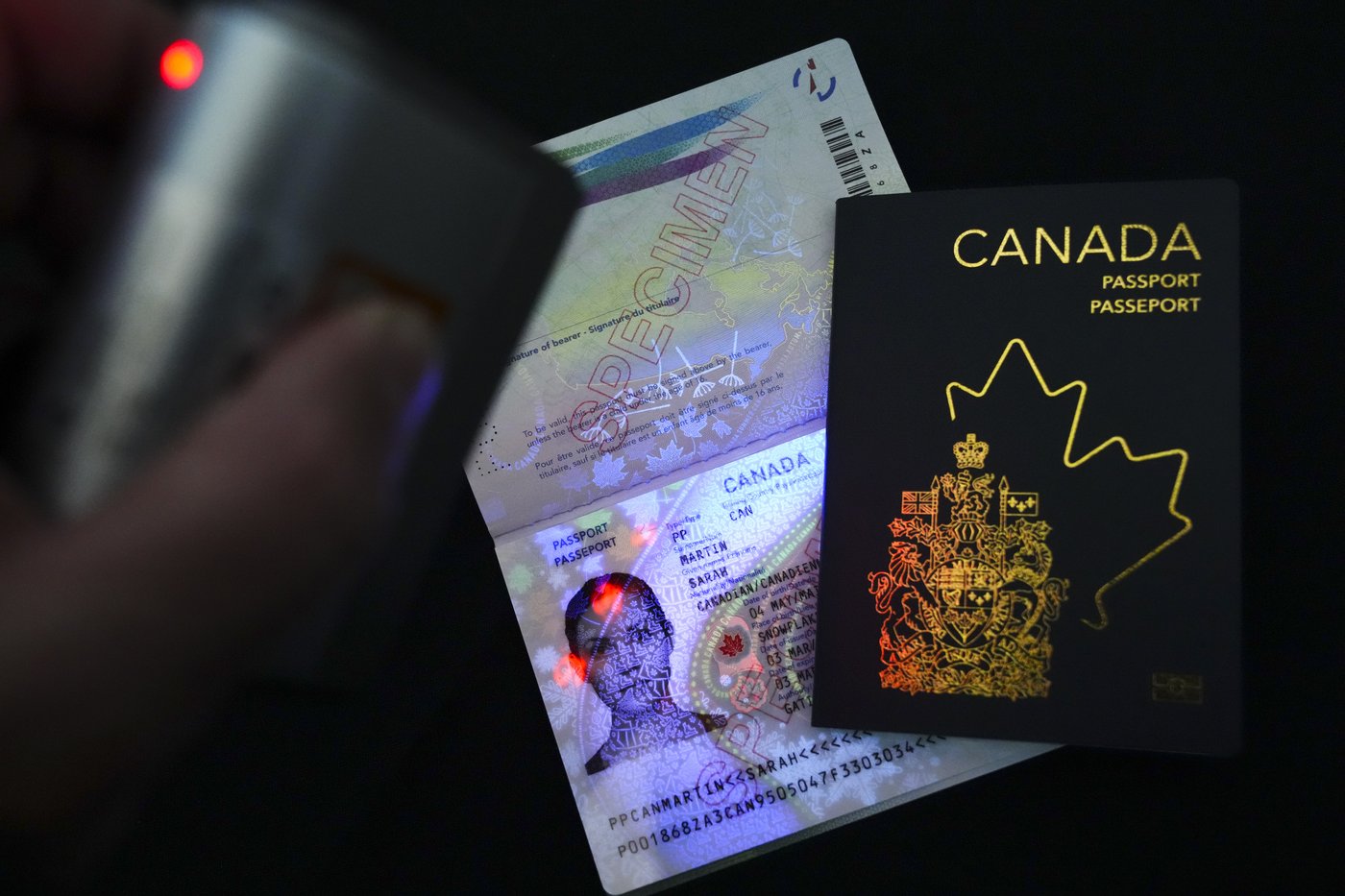
Canada has introduced a citizenship pathway that allows two specific groups of people to obtain Canadian citizenship or formal proof of their citizenship without meeting the usual physical presence requirement.
The changes took effect on December 15, 2025, following the implementation of Bill C-3, formally known as the An Act to Amend the Citizenship Act (2025).
The legislation expands citizenship by descent beyond the first generation, addressing cases involving people who were previously excluded from Canadian citizenship under older rules.
Under the new provisions, some people automatically became Canadian citizens, while certain children adopted abroad can now apply for citizenship without their Canadian parent first proving three years of physical presence in Canada.
The changes could benefit eligible families living outside Canada, including Nigerians with qualifying Canadian family connections.
Canada’s Bill C-3: What Changed in the Citizenship Rules?
Bill C-3 was introduced by the Canadian federal government on June 5, 2025, and received Royal Assent before coming into effect on December 15, 2025.
The legislation followed a December 2023 decision by the Ontario Superior Court of Justice, which found the previous first-generation limit on citizenship by descent unconstitutional.
Earlier reforms in 2009 and 2015 had restored or granted citizenship to approximately 20,000 people who were affected by previous citizenship rules.
However, some individuals, known as Lost Canadians, and their descendants remained excluded.
Bill C-3 addresses some of these gaps by extending citizenship by descent to additional generations in qualifying circumstances.
1. Automatic Citizens and Lost Canadians
The first group consists of people who automatically became Canadian citizens when Bill C-3 came into force.
These individuals include certain Lost Canadians who previously lost or never acquired citizenship because of restrictions under earlier versions of Canada’s Citizenship Act.
The group also covers qualifying descendants of Lost Canadians and people born abroad to, or adopted abroad by, Canadian parents in the second generation or later before December 15, 2025.
People covered by this provision are already Canadian citizens under the amended law. They do not need to apply for citizenship through the normal naturalisation process.
Instead, they can apply for a Canadian citizenship certificate, which serves as formal proof of their citizenship.
Crucially, they do not need to demonstrate 1,095 days of physical presence in Canada to obtain this proof.
READ ALSO
Canada Offers Nigerians New Route to Permanent Residence: What to know
Canada Explains Two Routes Through Which Foreign Children Can Obtain Citizenship
2. Children Adopted Abroad Before December 15, 2025
The second group covers children adopted outside Canada before December 15, 2025, by a Canadian parent who was also born or adopted abroad.
Under the new legislation, eligible Canadian parents can apply for citizenship for these adopted children without first meeting the 1,095-day physical presence requirement.
This is significant for families living abroad because the parent does not have to demonstrate three years of accumulated residence in Canada before submitting the citizenship application for an eligible adopted child.
However, the exemption is limited to qualifying adoptions that took place before the legislation came into effect.
What Happens to Children Born or Adopted Abroad After December 15, 2025?
Canada has introduced a different requirement for children born or adopted abroad on or after December 15, 2025, when their Canadian parent was also born or adopted outside the country.
In these cases, the Canadian parent must demonstrate a substantial connection to Canada before the child’s birth or adoption.
This requires proof of at least 1,095 days (three years) of cumulative physical presence in Canada.
The requirement is intended to ensure that Canadian citizens passing citizenship to children born or adopted abroad beyond the first generation have a genuine connection to the country.
The distinction is important because the exemption available to certain people under the previous rules does not automatically extend to children born or adopted abroad after December 15, 2025.
Can Nigerians Benefit From Canada’s New Citizenship Law?
Nigerians living in Canada or elsewhere may benefit if they fall within the categories covered by Bill C-3.
For instance, a Nigerian whose family history includes a Canadian parent, grandparent or qualifying adoption may have a route to citizenship or proof of citizenship under the amended law.
However, having a Canadian-born relative does not automatically make someone eligible. The applicant’s circumstances must meet the specific conditions under the legislation, including the relevant birth, adoption and citizenship history.
Those who believe they qualify should review their family records and determine whether they became Canadian citizens automatically or need to submit an application for an adopted child.
The legislation does not remove every requirement for citizenship by descent. The 1,095-day substantial connection rule continues to apply to qualifying children born or adopted abroad from December 15, 2025, onwards.
Frequently Asked Questions
1. Can someone get Canadian citizenship without living in Canada?
Yes. Under Bill C-3, certain people automatically became Canadian citizens and can obtain proof of citizenship without meeting the 1,095-day physical presence requirement. Eligible children adopted abroad before December 15, 2025, also benefit from a specific exemption.
2. What is Canada’s Bill C-3?
Bill C-3 is legislation that amended Canada’s Citizenship Act to expand citizenship by descent beyond the first generation in qualifying circumstances. It came into effect on December 15, 2025.
3. Who are Lost Canadians?
Lost Canadians are people who lost or never acquired Canadian citizenship because of restrictions in previous versions of the Citizenship Act. Bill C-3 extends citizenship to additional qualifying individuals and descendants.
4. Can a Nigerian claim Canadian citizenship through a grandparent?
Some Nigerians with Canadian family connections may qualify under Bill C-3, depending on their parent’s and grandparent’s citizenship history, date of birth or adoption, and other applicable conditions. Having a Canadian grandparent alone does not guarantee eligibility.
5. Do adopted children qualify for Canadian citizenship without their parents living in Canada?
Certain children adopted abroad before December 15, 2025, by a Canadian parent who was also born or adopted abroad can qualify without the parent meeting the 1,095-day physical presence requirement.
6. What is Canada’s 1,095-day physical presence requirement?
It is a requirement for at least three years of cumulative physical presence in Canada. Under the new rules, it applies to qualifying children born or adopted abroad on or after December 15, 2025, when their Canadian parent was also born or adopted abroad.
7. Does Bill C-3 automatically give citizenship to everyone with a Canadian grandparent?
No. Eligibility depends on the specific citizenship and family circumstances covered by the amended law. Applicants must establish that they fall within the qualifying categories.
8. When did Canada’s new citizenship rules take effect?
The changes under Bill C-3 took effect on December 15, 2025.