

10 Nigerian Food Preservation Methods That Are Still Useful Today

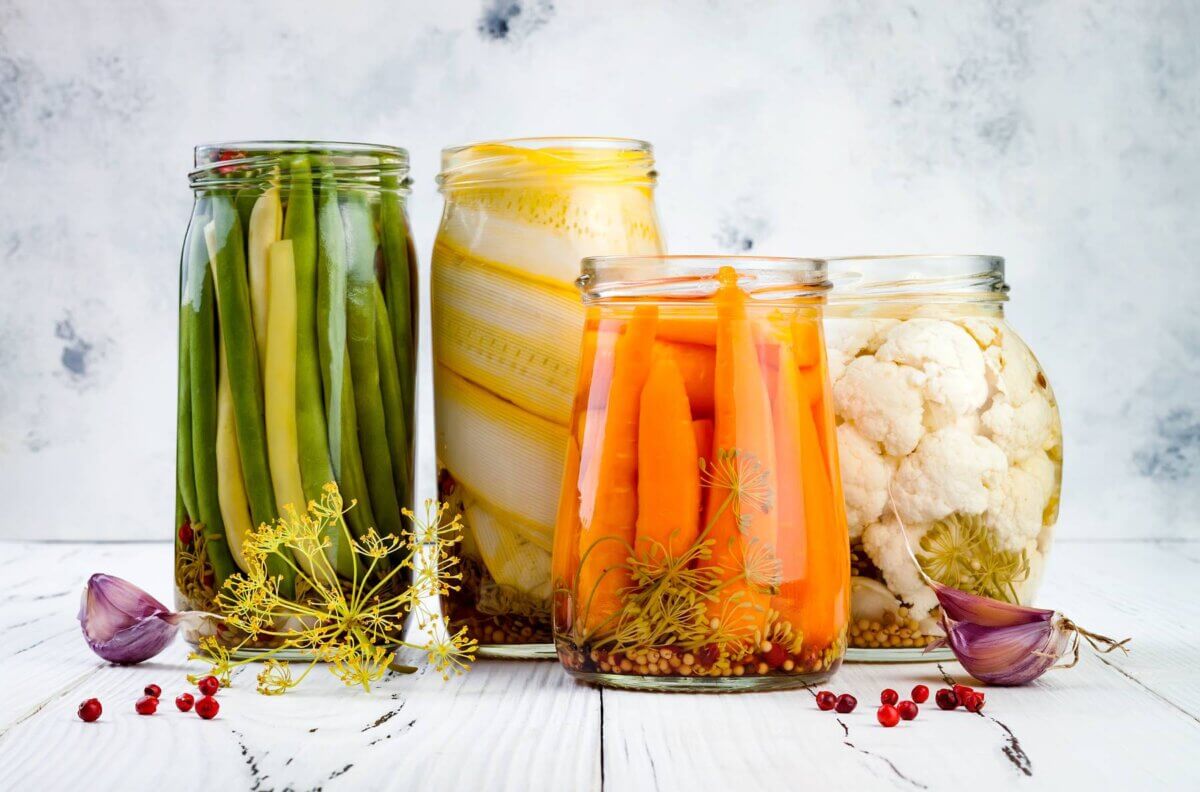
Marinated pickles variety preserving jars. Homemade green beans, squash, carrots, cauliflower pickles. Fermented food.
Long before refrigerators and freezers became common features in Nigerian homes, families relied on traditional methods to keep food from spoiling. From drying vegetables under the sun to smoking fish over firewood, these techniques helped households preserve seasonal produce, reduce waste and make food available during periods when fresh supplies were limited.
Many of these practices remain relevant today, particularly as households and food businesses look for affordable ways to manage food costs and reduce post-harvest losses.
Nigeria’s traditional food preservation culture is also closely connected to its different regions and cuisines. Smoked fish, dried pepper, fermented locust beans, ogiri, garri and dried yam products are familiar examples of foods that owe their longer shelf life to processing methods passed down through generations.
Here are 10 Nigerian food preservation methods that continue to serve useful purposes.
1. Sun-Drying: Preserving Vegetables, Fish and Fruits
Sun-drying is one of the oldest and most accessible food preservation methods in Nigeria. It involves exposing food to sunlight and moving air to remove moisture, making it less suitable for the growth of microorganisms responsible for spoilage.
Nigerian households commonly use this method to preserve pepper, tomatoes, okra, leafy vegetables, fish and certain fruits. Dried vegetables can be stored and used in soups and other meals when fresh produce is unavailable or expensive.
Fish processors also rely on sun-drying, particularly in areas with favourable weather conditions. Small fish may be dried whole, while larger ones are cleaned, split or cut into smaller pieces before processing.
For households using this method, food should be dried thoroughly on clean raised surfaces or suitable drying racks and protected from dust, insects, animals and unexpected rainfall.
2. Smoking: Keeping Fish and Meat for Longer
Smoking remains a familiar preservation technique in Nigerian markets and food-processing communities. It involves exposing fish or meat to heat and smoke from burning wood or other suitable fuel.
The process removes moisture, cooks or partially cooks the food and introduces compounds from the smoke that help slow deterioration.
Smoked catfish, mackerel and other fish varieties are widely used in Nigerian soups and stews. Smoked meat products are also found in different parts of the country.
The method is particularly useful for fishing communities that need to preserve large catches before they reach consumers. It can reduce losses when refrigeration is unavailable or unreliable.
Proper cleaning, adequate heat penetration and hygienic handling remain important during smoking. Traditional smoking methods can expose food to insects and contaminants when processing conditions are poorly controlled.
3. Salting: Using Salt to Preserve Fish and Meat
Salt has long served as a preservation ingredient in Nigerian food processing. Its effectiveness comes from its ability to draw moisture out of food and make conditions less favourable for many spoilage microorganisms.
Fish and meat can be preserved through dry salting, where salt is rubbed directly onto the food, or brining, where the food is immersed in a salt-and-water solution.
The method is sometimes combined with sun-drying or smoking to improve preservation. Salted fish, for example, may undergo further drying before storage and transportation.
Salting is useful because it does not depend on electricity or specialised equipment. However, the amount of salt, processing conditions and storage environment matter. Salted food should not automatically be assumed safe for indefinite storage.
4. Fermentation: Turning Perishable Ingredients into Traditional Foods
Fermentation is deeply rooted in Nigerian food culture. It uses the activity of microorganisms to transform food, often producing acids or other compounds that can slow the growth of undesirable organisms.
Several familiar Nigerian foods are produced through fermentation.
These include:
- Iru: Fermented locust beans commonly used as a seasoning.
- Ogiri: A fermented condiment made from different seeds, depending on the local tradition.
- Ogi: A fermented cereal food commonly prepared from maize, sorghum or millet.
- Nono: A traditional fermented milk drink.
Fermentation can improve flavour, change food texture and help extend the useful life of certain ingredients. Its success depends on the raw materials, hygiene, fermentation conditions and proper storage after processing.
5. Processing Cassava into Garri and Other Shelf-Stable Products
Cassava is highly perishable after harvesting, making processing important for reducing losses. Across Nigeria, the crop is transformed into products such as garri, lafun and cassava flour.
Garri production involves peeling and washing cassava, grating it, fermenting the mash, removing excess water, sieving and roasting it.
The combination of fermentation, dewatering and heat processing produces a drier food product that is easier to store and transport than freshly harvested cassava.
Lafun and dried cassava flour are also produced through processing and drying. These products can remain useful for longer when properly dried and protected from moisture during storage.
This method demonstrates how traditional food processing can turn a highly perishable crop into products that households can keep for later consumption.
READ ALSO
10 Foods That Can Be Prepared in Completely Different Ways Across Culture
6. Parboiling and Drying: Preserving Rice and Other Grains
Parboiling is a traditional processing method used in rice production. It involves soaking and partially steaming or boiling paddy rice before drying and milling.
The process changes the physical properties of the grain and helps prepare it for storage and further processing.
Drying after parboiling is particularly important because rice with excessive moisture can deteriorate during storage.
Similar drying practices are used for other grains and agricultural produce. Properly dried grains can be stored for longer periods when kept away from moisture, pests and contamination.
For Nigerian farming households, this method helps prepare harvested produce for storage and sale beyond the immediate harvest period.
7. Roasting: Reducing Moisture in Certain Foods
Roasting is another traditional method used to process foods such as groundnuts, maize and some seeds.
The application of heat reduces moisture in the food and changes its flavour, texture and appearance. Roasted groundnuts, for example, are a familiar Nigerian snack that can be stored after processing.
Roasting also plays a role in preparing some ingredients for further processing into flour, pastes and traditional food products.
Its preservation value depends on how much moisture is removed and how the food is packaged afterwards. Roasted products can still become stale or rancid if exposed to moisture, air or unsuitable storage conditions.
8. Frying: Extending the Useful Life of Fish and Other Foods
Frying is widely used in Nigerian cooking and food processing. It involves cooking food in hot oil, with heat helping to destroy many microorganisms and remove some of its moisture.
Fish is one of the foods commonly preserved through frying. The method can make fish last longer than fresh fish when it is properly cooked and stored.
Frying also forms part of the preparation of certain snacks and other processed foods sold in Nigerian markets.
However, fried food does not remain safe indefinitely. Moisture left in the food, contaminated oil and poor storage can shorten its shelf life. Proper cooling, clean packaging and suitable storage conditions are necessary.
9. Pickling: Preserving Vegetables and Other Produce in Acidic Solutions
Pickling involves preserving food in an acidic solution, commonly vinegar, or through controlled fermentation in brine.
The acidic environment can help prevent the growth of many microorganisms responsible for spoilage. Vegetables, peppers and some fruits can be processed this way.
Pickling offers households another way to make use of seasonal produce instead of allowing excess vegetables to spoil.
The method requires appropriate acidity, clean containers and suitable processing practices. Simply soaking vegetables in water or an unmeasured mixture does not guarantee safe preservation.
10. Dry Storage and Traditional Granaries: Protecting Harvested Produce
Preservation does not end after food has been dried or processed. How it is stored determines whether it remains suitable for consumption.
Traditional Nigerian households and farming communities have used granaries and other storage structures to keep grains and certain agricultural produce away from moisture, pests and direct exposure to the weather.
Yam barns are another familiar example, particularly in communities where yam production is important. They allow tubers to be arranged in a ventilated structure rather than left in damp or poorly managed spaces.
Today, clean airtight containers and improved storage facilities can serve similar purposes for properly dried grains, seeds and other products.
Regular inspection is necessary to identify pests, mould, moisture or signs of spoilage before they spread to other stored food.
Why Traditional Nigerian Food Preservation Methods Still Matter
Traditional preservation methods remain relevant because they help households and food processors manage food beyond its immediate period of availability.
They can reduce post-harvest losses, support food processing businesses and make seasonal produce available for consumption throughout the year.
They also preserve familiar Nigerian food products and flavours. Smoked fish, garri, iru, ogiri, dried vegetables and other processed foods remain important ingredients in many local dishes.
However, traditional does not automatically mean safe. Poor drying, unhygienic handling, insect infestation and inadequate storage can contaminate preserved food. Some methods also reduce certain heat-sensitive nutrients, while others may increase salt or sugar content.
Using clean equipment, protecting food during processing, ensuring adequate drying or heating and storing products in suitable containers can improve the quality and safety of preserved foods.
As modern food storage facilities become more accessible, traditional techniques can also be combined with improved dryers, hygienic smoking kilns and better packaging.
The continued use of these methods shows that food preservation in Nigeria is not simply a matter of keeping food for longer. It is also part of the country’s agricultural heritage, household economy and everyday food culture.
Frequently asked questions
1. What are the traditional methods of food preservation in Nigeria?
Common methods include sun-drying, smoking, salting, fermentation, roasting, frying, parboiling and drying, pickling, and storing processed foods in suitable granaries or containers.
2. How did Nigerians preserve food before refrigerators?
Nigerian households traditionally relied on sunlight, fire, salt, fermentation and specially designed storage structures to keep food for longer periods.
3. Which Nigerian foods are preserved through drying?
Common examples include dried pepper, okra, leafy vegetables, fish, cassava products and certain fruits.
4. How does smoking preserve fish?
Smoking exposes fish to heat and smoke, helping remove moisture, cook the flesh and introduce compounds that slow microbial deterioration.
5. What Nigerian foods are preserved through fermentation?
Examples include iru, ogiri and ogi. Nono is another traditional fermented food product.
6. Is garri a preserved cassava product?
Yes. Garri is produced through several processing stages, including fermentation, dewatering and roasting. These steps transform fresh cassava into a product with a longer storage life.
7. Does adding salt preserve food?
Salt helps preserve food by drawing out moisture and creating conditions that are less favourable for many spoilage microorganisms. It is commonly used for fish and meat, sometimes alongside drying or smoking.
8. Can vegetables be preserved without a refrigerator?
Yes. Vegetables such as pepper, okra and some leafy vegetables can be cleaned, properly dried and stored in suitable containers to extend their shelf life.
9. What is the difference between drying and smoking food?
Drying primarily removes moisture through exposure to sunlight or controlled heat. Smoking combines heat and smoke exposure, often removing moisture while adding a characteristic flavour and helping slow spoilage.
10. Are traditional food preservation methods still useful today?
Yes. They remain useful for households, farmers, fish processors and small food businesses, particularly where refrigeration is expensive, unreliable or unavailable.
11. How should dried Nigerian foods be stored?
They should be completely dry before storage and kept in clean, dry, covered containers away from moisture, insects and direct exposure to contaminants.
12. Why is food preservation important in Nigeria?
It helps reduce food waste, minimise post-harvest losses, improve food availability and allow households and businesses to store seasonal agricultural produce for later use.