
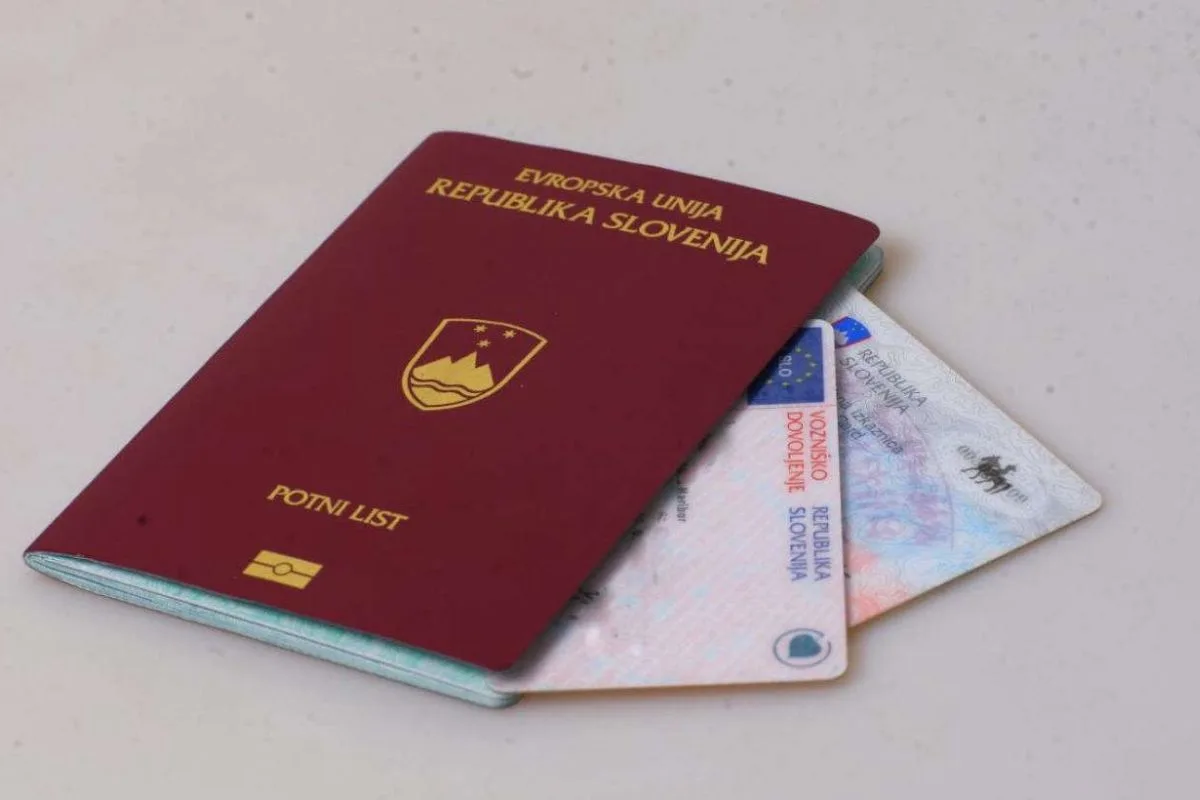
Slovenia has outlined a special citizenship pathway that allows eligible foreigners to become Slovenian citizens through extraordinary naturalisation, a process designed for individuals whose skills, achievements or contributions serve the country’s national interests.
The route differs from standard naturalisation because it offers less stringent requirements for applicants considered valuable to Slovenia in recognised fields, including scientific research, business, culture and other areas of national importance.
Under the government’s stated conditions, foreigners must have lived in Slovenia for at least one year and hold foreign national status when submitting their applications.
Another notable benefit is that successful applicants can retain their original nationality, unlike the standard naturalisation process, which generally requires applicants to renounce their previous citizenship.
Who Qualifies for Slovenian Citizenship Through Extraordinary Naturalisation?
Slovenia’s extraordinary naturalisation route is intended for foreigners whose admission to citizenship is considered to be in the country’s national interest.
Applicants must meet two basic conditions:
- Minimum residence: They must have physically lived in Slovenia for at least one year.
- Foreign nationality: They must hold foreign national status at the time of application.
Meeting these conditions does not automatically guarantee citizenship. Applicants must also demonstrate that their skills, achievements or contributions fall within areas considered important to Slovenia.
The government assesses applications based on the potential value of the individual’s contribution to the country.
4 Fields That Can Qualify Foreigners for Slovenia’s Special Citizenship Route
The Slovenian government identifies several areas in which an applicant’s contributions may support an extraordinary naturalisation application.
1. Academic and Scientific Research
Foreign academics, researchers and scientists whose work contributes to Slovenia’s research and knowledge sectors may qualify for consideration.
This could include individuals with significant research achievements or expertise that serves the country’s scientific development.
2. Economic Contributions
Foreigners whose business activities, investments, expertise or professional contributions benefit Slovenia’s economy may also be considered.
The route provides an opportunity for individuals whose economic contributions are regarded as important to the country’s national interests.
3. Cultural Achievements
Individuals with notable achievements in culture may qualify for extraordinary naturalisation.
This category can cover people whose work contributes to Slovenia’s cultural development, recognition or international profile.
4. Other Areas of National Interest
The eligibility criteria are not restricted to the three fields above.
Foreigners whose professional expertise, achievements or contributions fall within other areas considered important to Slovenia may also be considered under the special citizenship arrangement.
READ ALSO
How to Claim Canada Citizenship Without Living in the Country Under New Law
Can Foreigners Keep Their Original Nationality After Becoming Slovenian Citizens?
Yes. One of the major benefits of extraordinary naturalisation is that successful applicants are permitted to retain their original nationality.
This makes the pathway different from Slovenia’s standard naturalisation process, which generally involves a requirement to renounce an applicant’s previous citizenship, subject to applicable exceptions.
For eligible foreigners who want to become Slovenian citizens without giving up their existing nationality, the extraordinary route offers an important advantage.
Can Nigerians Apply for Slovenian Citizenship Through Extraordinary Naturalisation?
Nigerians are not excluded from the route simply because they are foreign nationals.
A Nigerian who has lived in Slovenia for at least one year and holds foreign national status could potentially qualify for consideration if their achievements or contributions serve Slovenia’s national interests.
However, meeting the residence requirement alone is insufficient. Applicants must demonstrate the value of their contribution in a recognised field, and approval is not automatic.
The route is not a general citizenship shortcut for every foreign resident. It is a special provision reserved for individuals whose naturalisation is considered beneficial to Slovenia.
Extraordinary Naturalisation vs Standard Slovenian Citizenship
The main distinction between the two routes is the eligibility framework.
Standard naturalisation follows the country’s ordinary citizenship requirements, while extraordinary naturalisation provides a special route for foreigners whose contributions are considered to serve Slovenia’s national interests.
The extraordinary route has a shorter stated residence requirement of one year and allows successful applicants to retain their original nationality.
The government announcement does not provide a complete list of supporting documents, application fees, processing timelines or the exact procedure for submitting an application.
Frequently Asked Questions
1. Can foreigners obtain Slovenian citizenship without living in the country for several years?
Yes. Slovenia’s extraordinary naturalisation route allows eligible foreigners to apply after living in the country for at least one year, provided their contributions serve its national interests.
2. What is extraordinary naturalisation in Slovenia?
It is a special citizenship pathway for foreigners whose skills, achievements or contributions are considered important to Slovenia’s national interests.
3. Can Nigerians apply for Slovenian citizenship through extraordinary naturalisation?
Yes. Nigerians may qualify if they meet the residence and nationality conditions and can demonstrate contributions in fields considered important to Slovenia.
4. Can applicants keep their original nationality after obtaining Slovenian citizenship?
Yes. Successful applicants through extraordinary naturalisation are permitted to retain their original nationality.
5. What fields qualify for extraordinary naturalisation in Slovenia?
The recognised areas include academic and scientific research, economic contributions, cultural achievements and other fields considered important to Slovenia’s national interests.
6. How long must foreigners live in Slovenia before applying through extraordinary naturalisation?
Applicants must have physically resided in Slovenia for at least one year.
7. Does living in Slovenia for one year guarantee citizenship?
No. Applicants must also demonstrate that their skills or contributions serve Slovenia’s national interests. Approval is not automatic.
8. Is extraordinary naturalisation different from standard Slovenian citizenship?
Yes. Extraordinary naturalisation has a special eligibility framework, a one-year residence condition and allows successful applicants to retain their original nationality.