

10 Foods People Eat Differently Around the World, and What We Can Learn From Them

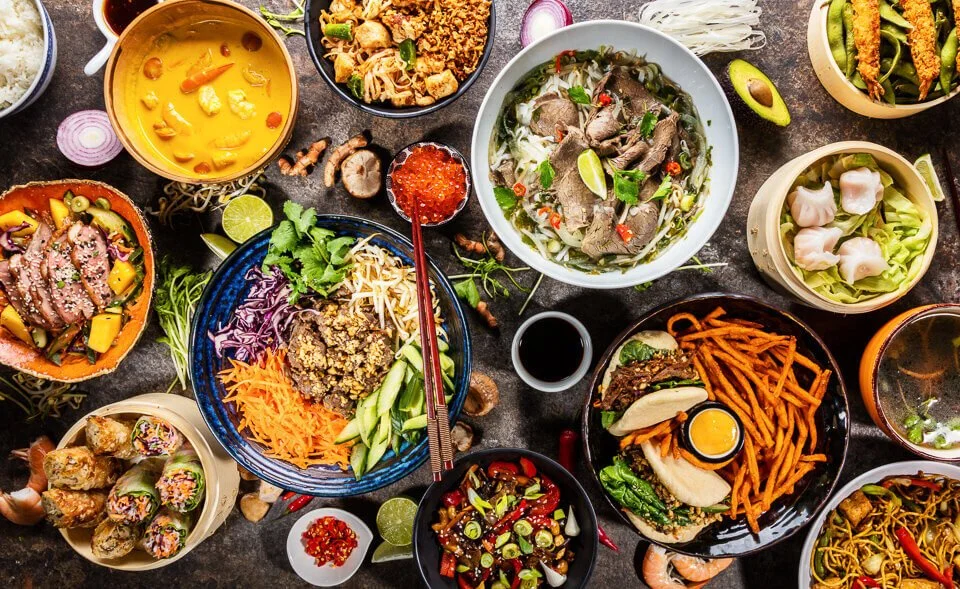
Discover 10 foods people eat differently around the world.
A bowl of rice, a piece of bread or a simple vegetable can look completely different depending on where it is served. The ingredients may be familiar, but the way people prepare, share and eat them can reveal centuries of history, geography, religion and family tradition.
Food cultures are shaped by much more than taste. Climate, available ingredients, technology, religion, economics and social customs all influence what ends up on the table. Research comparing food cultures across countries has found that traditional eating practices can vary significantly from one culture to another, even as modern eating habits become more similar.
That makes everyday foods particularly interesting. Some of the world’s most familiar staples are eaten in ways that may seem unusual to outsiders but make perfect sense within their cultural context.
Here are 10 foods that show how differently people around the world approach eating—and what those traditions can teach us.
1. Rice: A staple that changes from one culture to another
Rice is one of the clearest examples of how the same basic food can take on completely different identities.
Across much of Asia, rice is a regular part of meals and may accompany vegetables, meat, fish, soups or fermented foods. In other cultures, it can become a breakfast dish, dessert, snack or ingredient in celebratory foods.
In Japan, rice is deeply integrated into traditional meals, while in parts of West Africa it is commonly served with rich sauces, stews and vegetables.
The lesson is that a staple food does not have to be eaten in one “correct” way. Local ingredients and cultural history determine how it fits into daily life.
2. Bread: More than something to eat with a meal
Bread can serve very different purposes around the world.
In many European countries, bread is placed alongside meals and may be eaten with cheese, soup, meat or spreads. In parts of India and Ethiopia, flatbreads can become part of the meal itself, used to scoop up other foods.
National Geographic notes that eating with pieces of flatbread is a traditional practice in countries including India and Ethiopia, while East Asian cultures have their own established eating traditions involving chopsticks.
This shows how utensils are not universal. The food itself can become part of the eating tool.
3. Corn: From everyday food to cultural symbol
Corn appears in countless forms, including tortillas, porridges, grilled corn and maize-based dishes.
In Mexico and other parts of Latin America, maize has a particularly deep cultural history. UNESCO has documented how maize has held significance beyond nutrition for some Mexican farming communities, becoming connected to cultural beliefs and traditions.
The wider lesson is that a food can become part of a community’s identity.
A crop grown for generations can carry memories, rituals and traditions that cannot be measured simply by its nutritional value.
4. Fermented foods: Preserving food while creating new flavours
Fermentation is one of the world’s oldest food traditions.
Kimchi in Korea, sauerkraut in Europe, miso and other fermented products in Japan, and several fermented foods across Africa demonstrate how communities have used microorganisms to transform and preserve food.
Modern nutrition research has also renewed interest in fermented foods. Some fermented products contain live microorganisms that can contribute to dietary diversity and gut health, though not every fermented food contains live probiotics after processing.
The lesson is practical as well as cultural: traditional preservation techniques can create entirely new flavours and textures from familiar ingredients.
5. Beans: A global source of protein
Beans appear in traditional diets across Africa, Latin America, Asia and other regions, but preparation methods vary widely.
They can be cooked into stews, mashed, fermented, combined with grains or served alongside vegetables and meat.
Traditional African, Latin American and Asian diets often include a wide variety of plant foods, and researchers have highlighted the potential value of these heritage diets when considering culturally appropriate approaches to healthy eating.
That offers a useful reminder that nutritious eating does not require every culture to adopt the same menu.
6. Fish: Fresh, dried, fermented or preserved
Fish may be grilled, fried, smoked, dried, fermented or eaten raw depending on local traditions.
Coastal communities often develop food practices around the fish available in their surroundings. Preservation methods become particularly important where refrigeration was historically unavailable.
The differences are closely tied to geography. A community living beside a rich coastline has access to ingredients that may be expensive or difficult to obtain thousands of kilometres inland.
Food, in this sense, tells the story of a place.
READ ALSO
9 Kitchen Ingredients That Can Transform Simple Meals Without Costing Much
7. Yogurt: From breakfast food to savoury ingredient
Yogurt is commonly associated with breakfast or snacks in many Western countries, but its uses extend far beyond that.
Across parts of South Asia, the Middle East and Central Asia, yogurt can appear in savoury dishes, sauces, drinks and marinades.
It can also be combined with herbs, spices, vegetables or grains rather than being treated primarily as a sweet food.
That difference challenges the idea that a familiar ingredient has only one obvious use.
8. Potatoes: The same crop, countless traditions
Potatoes have become staples in cuisines around the world, but the methods used to prepare them vary enormously.
They can be boiled, roasted, fried, mashed, baked or incorporated into stews and other dishes.
The potato’s global journey also demonstrates how foods move between cultures. Once introduced to new regions, ingredients often become incorporated into local cooking styles rather than remaining tied to their original preparation.
Food traditions are therefore not frozen in time. They evolve as ingredients, people and ideas travel.
9. Acorns: A forgotten food making a comeback
Acorns may sound unusual as a modern food, but several cultures have historically used them for flour, porridges, soups and other preparations.
Indigenous North American communities relied on acorns as an important food source, while traditional uses have also been documented in places including Korea, Sardinia and Lithuania. Recent interest in acorn flour and other products has renewed attention to the nutritional and environmental potential of the crop.
The revival of acorns raises a broader question about foods that disappeared from mainstream diets.
Some foods become unpopular not because they lack nutritional or cultural value, but because other ingredients become cheaper, easier to process or more convenient.
10. Shared meals: When the way we eat matters as much as the food
Perhaps the biggest difference between food cultures is not a particular ingredient at all. It is how people eat together.
In some societies, meals are strongly associated with family gatherings, celebrations and hospitality. In others, individual schedules have increasingly changed when and where people eat.
UNESCO describes food as a major part of cultural identity and notes that shared meals can help maintain social relationships and transmit cultural values between generations.
Health authorities similarly recognize that cultural traditions influence what people eat, when they eat, how food is prepared and where food is obtained.
That makes the communal side of food worth preserving even as diets change.
What can we learn from different food cultures?
The biggest lesson may be that there is no single global definition of a “normal” meal.
Food traditions have developed in response to local environments, available resources, beliefs, social structures and generations of experience. The result is a huge range of approaches to cooking and eating.
Some traditions emphasize fermented foods. Others rely heavily on grains, legumes, vegetables, seafood or roots. Some cultures traditionally eat with utensils, while others use bread or their hands.
That diversity can also inform modern conversations about healthy eating.
The Academy of Nutrition and Dietetics notes that nutritious meals can fit within different cultural preferences, rather than requiring people to abandon their traditional cuisines.
For people exploring healthier diets, the useful question may not be which country’s cuisine is “best.” It may be which elements of different food traditions—more whole foods, more vegetables, more legumes, more home preparation or more shared meals—can fit naturally into their own lives.
Why food traditions are changing
Globalization has made foods and cooking styles easier to move across borders. Social media, migration, restaurants, supermarkets and international travel have accelerated that exchange.
A dish that was once highly regional can now become popular worldwide within a few years.
At the same time, traditional food practices can remain important because they provide a connection to family and cultural identity.
Research on food culture suggests that modern diets can become more similar across countries even while traditional practices remain distinct.
That tension is likely to continue. People are increasingly exposed to foods from around the world while still using food to maintain connections to where they come from.
Frequently Asked Questions
Why do different cultures eat the same foods differently?
Eating habits are influenced by geography, climate, available ingredients, religion, history, technology and cultural traditions. The same ingredient can therefore have completely different roles in different cuisines.
What are some examples of food traditions around the world?
Examples include eating rice as a daily staple in many Asian and African cuisines, using flatbread to eat other foods in parts of India and Ethiopia, fermenting vegetables in Korea and using maize in traditional Mexican cuisine.
How does food reflect culture?
Food can reflect a community’s history, environment, beliefs and identity. Preparation methods, ingredients, meal times and table manners can all carry cultural meaning.
What can different cultures teach us about healthy eating?
Different traditional diets show that healthy eating can take many forms. Plant foods, legumes, whole grains, vegetables and minimally processed ingredients feature prominently in many traditional food patterns, but healthfulness depends on the overall diet rather than one particular cuisine.
Why is fermented food popular in different countries?
Fermentation can help transform and preserve food while creating distinctive flavours and textures. Many cultures developed fermentation techniques long before modern refrigeration.
Why do some cultures eat with their hands?
Eating with the hands is a cultural practice in various parts of the world. It can be connected to tradition, the type of food being served and established social customs. It should not automatically be viewed as less hygienic or less formal.
What is the importance of sharing meals?
Shared meals can strengthen social relationships, support family traditions and help pass cultural practices between generations. Food is often part of celebrations and other important social occasions.
Are traditional diets healthier than modern diets?
There is no universal answer. Traditional diets differ widely, and some include highly nutritious foods while others may contain large amounts of salt, sugar or fat. Researchers have identified potentially healthful features across several traditional African, Asian and Latin American dietary patterns, but more research is needed to understand how these patterns affect health in different populations.
How does geography affect what people eat?
Geography influences which crops, animals, fish and other foods are readily available. Communities often develop cooking and preservation techniques around the ingredients found in their local environment.
Why is food important to cultural identity?
Food can preserve family history, connect generations and express religious or cultural traditions. This is why certain dishes remain important even after people migrate or their surrounding food environment changes.