

8 Travel Mistakes That Can Turn a Cheap Trip Into an Expensive One

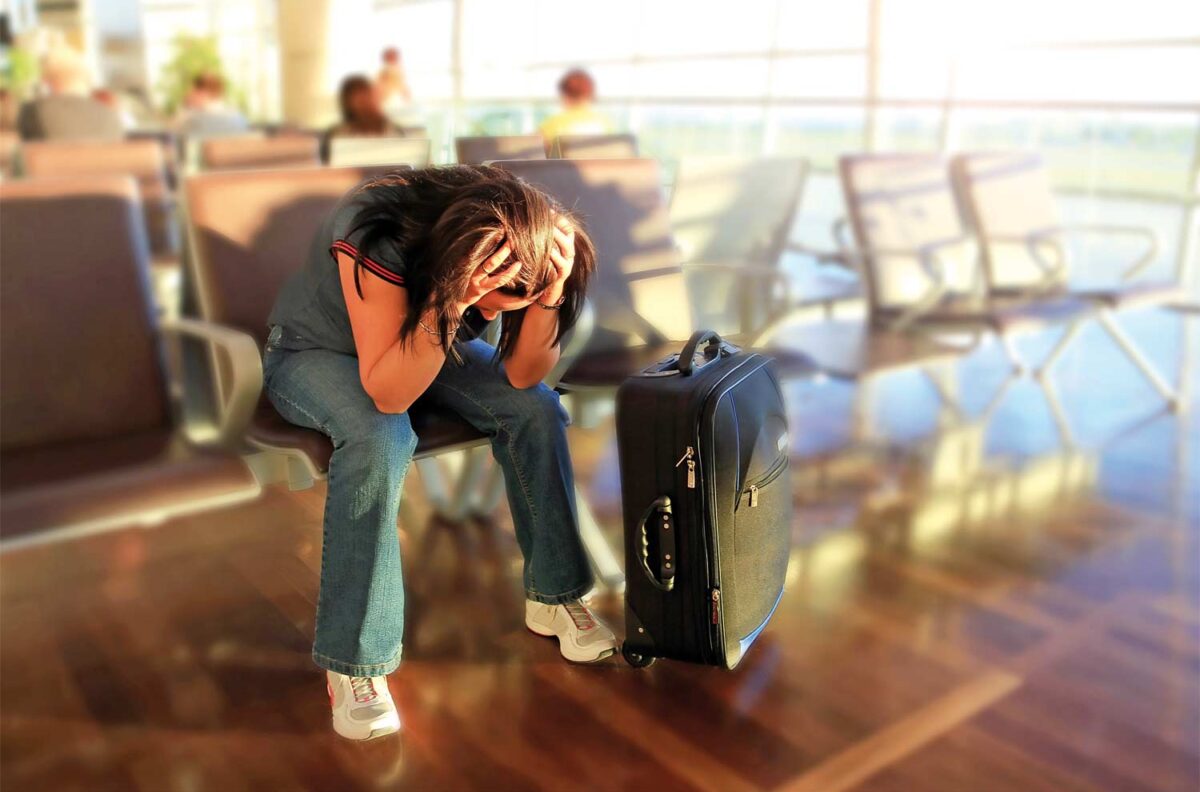
8 common travel mistakes that can quietly increase your vacation cost
A cheap holiday can become surprisingly expensive long before a traveller realizes what went wrong.
The flight may have been booked at a low price. The hotel may have looked like a bargain. The destination may even have seemed affordable compared with more popular tourist cities.
Then the extra baggage fee appears.
A last-minute airport transfer costs more than expected. A poorly located hotel means spending money on taxis every day. Currency exchange charges quietly eat into the travel budget. A missed connection creates an unexpected overnight stay.
These expenses rarely appear in the original travel budget, which is why a trip that looks affordable during planning can end up costing significantly more.
Budget travel is less about finding the absolute cheapest option and more about understanding the costs attached to that option. Here are eight common mistakes that can turn a low-cost trip into an expensive one.
1. Booking the Cheapest Flight Without Checking the Full Cost
A low airfare can be tempting, but the advertised price is not always the final amount a traveller will pay.
Budget airlines and some international carriers may charge separately for checked luggage, seat selection, meals, priority boarding and other services.
A traveller who chooses a very cheap ticket and later adds several extras could end up paying close to—or even more than—the price of a ticket that initially looked more expensive.
The timing of the flight can also matter.
A ticket that arrives at an airport late at night may require an expensive taxi or private transfer because public transportation has stopped operating.
Before booking, travellers should compare the total trip cost, not just the headline airfare.
2. Choosing a Hotel Based Only on the Nightly Rate
A cheap hotel can become expensive if it is located far from the places a traveller plans to visit.
Saving $20 or $30 a night may not mean much if getting into the city every day requires several taxi or rideshare trips.
The same problem can occur with attractions. A hotel that looks affordable online may be far from restaurants, public transport, beaches, museums or business districts.
Location should be treated as part of the accommodation price.
A slightly more expensive hotel near public transportation can sometimes reduce the overall cost of the trip because travellers spend less on daily transportation.
3. Ignoring Baggage Rules
Baggage fees are one of the easiest travel costs to overlook.
Different airlines have different rules for cabin bags, personal items and checked luggage. Some tickets include only a small personal item, while others allow a larger cabin bag.
Arriving at the airport with luggage that exceeds the airline’s limits can result in expensive fees.
Travellers can avoid much of this by checking the baggage allowance before packing and weighing their bags at home.
It is also worth checking whether the airline charges more for luggage purchased at the airport than it does online during the booking process.
4. Leaving Airport Transfers Until the Last Minute
Transportation from the airport can become one of the most expensive parts of a supposedly cheap trip.
This is especially true when travellers arrive in unfamiliar cities late at night or during peak travel periods.
Without a plan, a visitor may immediately take an expensive taxi because it appears to be the easiest option.
Researching airport trains, buses, shared transfers and official taxi services before departure can prevent unnecessary spending.
Travellers should also check how long the journey takes. A cheap airport transfer that takes significantly longer may not always be practical, particularly after a long flight.
READ ALSO
7 Types of Trips That Are Becoming More Popular With Modern Travelers
5. Exchanging Money at the Wrong Place
Currency exchange is another cost that can quietly damage a travel budget.
Airport exchange counters are convenient, but convenience can come with unfavorable exchange rates or additional fees.
Travellers can also lose money when repeatedly withdrawing small amounts from ATMs, particularly when their bank charges foreign transaction or withdrawal fees.
Before travelling, check the fees associated with cards and cash withdrawals and understand whether the destination commonly accepts card payments.
Carrying some local currency for small purchases can also prevent travellers from being forced into unfavorable exchange arrangements.
6. Trying to Save Money by Skipping Travel Insurance
Travel insurance is often treated as an unnecessary expense when someone is trying to keep a trip cheap.
That calculation can change quickly when something goes wrong.
A cancelled flight, lost luggage, medical emergency or other unexpected event can create costs that dwarf the original price of the insurance policy.
Not every traveller needs the same level of coverage, and policies differ considerably. Travellers should pay attention to medical coverage, cancellation conditions, baggage protection and exclusions before buying.
The cheapest policy is not automatically the most useful one.
7. Planning Too Many Activities
Trying to see everything can make a holiday more expensive and less enjoyable.
Travellers may book multiple attractions, tours and day trips without considering the transportation and food costs associated with each activity.
There is also the risk of paying for experiences that end up being rushed because too many things have been scheduled into one day.
A better approach is to identify the experiences that matter most and build the itinerary around them.
Leaving some free time can also reduce spending. A walk through a neighborhood, visiting a public park or exploring a local market may cost little compared with another paid attraction.
8. Forgetting the Small Daily Expenses
Small purchases can become a major part of a travel budget when repeated every day.
Coffee at the airport, bottled water, snacks, convenience-store meals, transport fares and small attraction fees may not seem significant individually.
Over a week, however, they can add up.
Travellers often budget for flights and accommodation while underestimating food, transportation and incidental expenses.
One useful approach is to set a daily spending limit before the trip. The budget can include meals, local transportation and a small allowance for unexpected purchases.
Tracking expenses during the trip also makes it easier to identify where money is disappearing.
How to Avoid Turning a Cheap Trip Into an Expensive One
The biggest budget mistakes usually happen when travellers focus on the advertised price instead of the total cost.
A cheap flight with expensive baggage, an inexpensive hotel far from the city center and a low-cost attraction that requires an expensive transfer may all look like bargains individually.
Together, they can produce a costly holiday.
Before booking, travellers should consider the entire journey: transportation, accommodation, baggage, food, insurance, exchange rates, activities and unexpected expenses.
The goal is not necessarily to spend as little as possible.
It is to know where the money is going before the trip begins.
Frequently Asked Questions
What is the biggest mistake when planning a cheap trip?
Focusing only on the initial price is one of the most common mistakes. Travellers should calculate additional costs such as baggage, transportation, taxes, meals and activity fees before deciding whether an option is genuinely affordable.
How can I make a cheap holiday even cheaper?
Compare the total cost of flights and accommodation, use public transportation where practical, avoid unnecessary baggage fees, plan major activities in advance and set a daily spending limit.
Are budget airlines actually cheaper?
They can be, but the final price depends on what is included in the ticket. Baggage, seat selection, meals and other extras can increase the cost substantially.
Is it cheaper to stay outside the city center?
Not always. A cheaper hotel farther away may require daily spending on taxis, trains or buses. The best option depends on the accommodation price, transportation costs and how frequently you plan to travel into the city.
How much money should I budget for unexpected travel expenses?
There is no universal amount because travel costs vary by destination and trip length. Keeping a separate emergency or contingency fund can help cover unexpected transportation, accommodation or other expenses.
Should I buy travel insurance for a budget trip?
Travellers should consider the potential cost of medical emergencies, cancellations, lost luggage and other disruptions. The right level of insurance depends on the destination, activities and individual circumstances.
How can I avoid overspending while travelling?
Set a daily spending limit, track your purchases, plan major expenses ahead of time and leave room in the budget for unexpected costs.
What hidden costs should travellers look for?
Common hidden or additional costs include baggage fees, resort or accommodation charges, airport transfers, foreign transaction fees, currency exchange costs, transportation, taxes and paid attractions.