

9 Kitchen Ingredients That Can Transform Simple Meals Without Costing Much

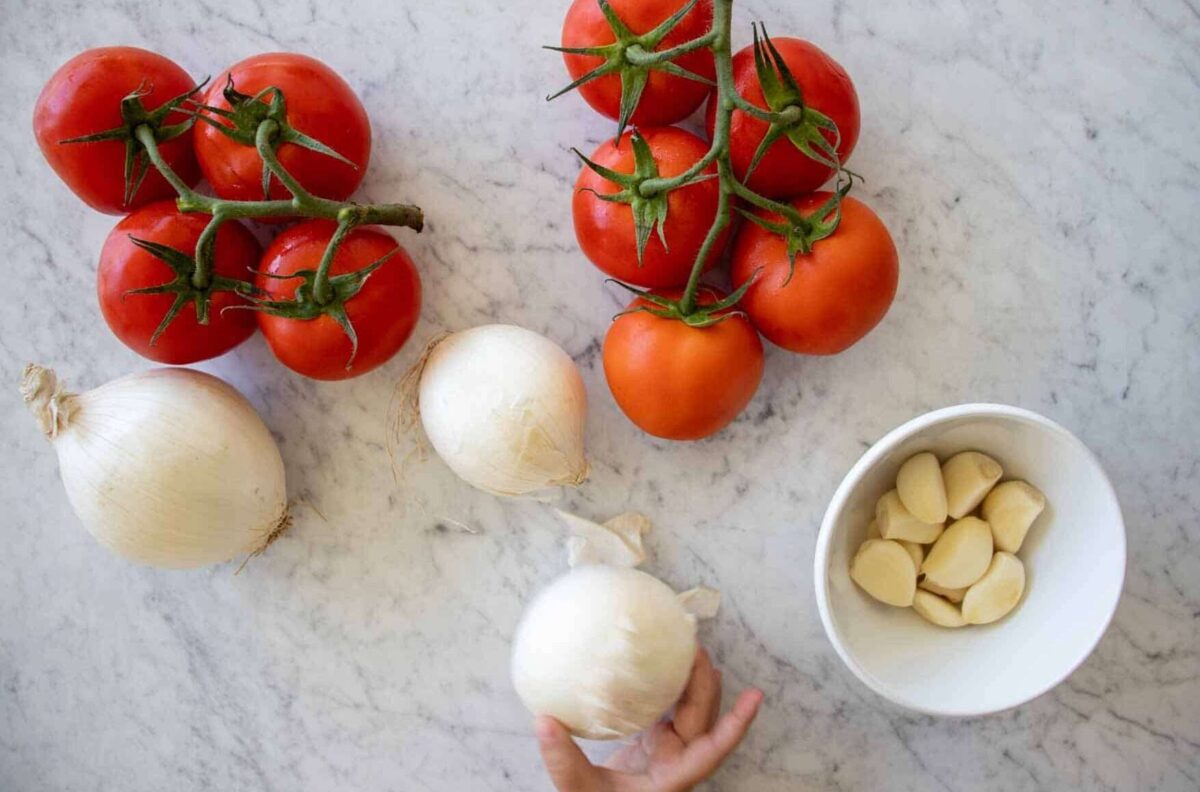
Discover 9 affordable kitchen ingredients that can transform simple meals with more flavour, aroma and variety
When food prices are rising, making meals more enjoyable does not always require buying more expensive ingredients. A few affordable kitchen staples can change the taste, aroma and texture of an otherwise ordinary meal.
From onions and garlic to tomato paste and dried herbs, these ingredients can be used across several dishes, making them useful additions to a budget-conscious kitchen.
The trick is knowing how to use small amounts effectively rather than simply adding more ingredients to a meal.
1. Onions Can Build Flavour From the Start
Onions are among the simplest ways to give a meal more depth.
They can be fried before adding other ingredients, cooked slowly until soft or added fresh toward the end of cooking. The difference in preparation can produce noticeably different flavours.
Onions work particularly well in rice, beans, stews, sauces, noodles, eggs and vegetable dishes. Cooking them until lightly browned can also add sweetness and a richer flavour without requiring expensive seasonings.
For households trying to stretch their food budget, onions are useful because one purchase can contribute to several different meals.
2. Garlic Adds A Stronger Savoury Taste
A small amount of garlic can change the character of a dish.
Fresh garlic can be crushed or chopped and added while cooking rice, pasta, vegetables, sauces, meat and fish. It can also be combined with oil and other seasonings to create a simple base for cooking.
Garlic has a particularly strong flavour, meaning a little can go a long way. That makes it a practical ingredient when the goal is to improve a meal without significantly increasing its cost.
3. Tomato Paste Can Make Sauces And Rice Richer
Tomato paste is another inexpensive ingredient with several uses.
Adding a spoonful to a sauce, stew or rice dish can provide concentrated tomato flavour and a deeper colour. It can also help give a basic sauce a thicker, richer consistency.
Instead of using a large quantity, cooks can fry the tomato paste briefly with onions and other seasonings before adding liquid. This can help develop a fuller flavour.
It is particularly useful for meals that seem bland or watery and need more body.
4. Ginger Brings Warmth To Everyday Dishes
Ginger is often associated with drinks and traditional dishes, but it can also be used to improve everyday meals.
Fresh ginger can be grated or finely chopped and added to soups, stews, sauces, marinades and rice dishes. Its warm, slightly spicy flavour can make a simple meal more distinctive.
It can also be combined with garlic and onions to create a versatile flavour base for meat, fish and vegetables.
Because ginger has a noticeable flavour, only a small quantity may be needed.
5. Chilli Or Paprika Can Add Heat And Colour
A simple meal can sometimes feel more interesting with a little heat.
Chilli powder, fresh chilli or paprika can add flavour and colour to eggs, rice, beans, potatoes, sauces, noodles and vegetables.
The amount used can be adjusted according to taste. Paprika can provide colour and a mild peppery flavour, while different types of chilli can deliver considerably more heat.
For people who already have a basic meal prepared, adding the right amount of pepper can create a noticeable difference without requiring another expensive ingredient.
READ ALSO
10 Forgotten Foods Making a Comeback
7 Functional Foods Everyone Is Talking About in 2026
6. Soy Sauce Can Add Depth To Quick Meals
Soy sauce is especially useful for quick meals such as noodles, fried rice and stir-fried vegetables.
Its salty, savoury flavour can give simple ingredients more depth. A small amount can also be mixed with garlic, ginger and other seasonings to create a quick sauce.
Because soy sauce is already salty, it is worth using it carefully and tasting the meal before adding additional salt.
It can be particularly useful when working with leftover rice or vegetables that need a quick flavour boost.
7. Lemon Or Lime Can Brighten A Dish
Not every flavour improvement needs to come from spices.
A small squeeze of lemon or lime can make a heavy or bland dish taste fresher. Citrus can work well with grilled or fried fish, chicken, vegetables, salads and some rice dishes.
The acidity can also help balance rich or oily foods.
Adding it near the end of cooking or immediately before serving often gives the strongest fresh flavour.
8. Dried Herbs Can Make Basic Food More Interesting
Dried herbs such as thyme, oregano, basil and mixed herbs can give simple meals a different character.
They can be added to tomato sauces, chicken, fish, potatoes, vegetables, pasta and rice. Since dried herbs are concentrated, small quantities are usually enough.
Keeping two or three versatile herbs in the kitchen can provide several flavour combinations without requiring a large collection of seasonings.
Thyme, in particular, can work well in many savoury dishes and is already familiar in a wide range of home cooking.
9. Stock Cubes Can Quickly Boost Flavour
Stock cubes are widely used in everyday cooking because they provide seasoning and savoury flavour in a convenient form.
They can be used in rice, beans, soups, stews, noodles and sauces. However, they should be used with attention to the amount of salt already present in the dish.
Instead of relying on stock cubes alone, combining them with onions, garlic, herbs or other fresh ingredients can produce a more rounded flavour.
The goal is to enhance the food rather than overwhelm it with seasoning.
How To Get More From Cheap Kitchen Ingredients
The biggest savings can come from choosing ingredients that work across several meals.
A bottle of soy sauce, for instance, can be used for noodles, rice and vegetables. Onions can form the base of sauces, stews, eggs and beans. Garlic can be used with meat, fish, pasta and vegetables.
Cooking technique also matters.
Frying onions and garlic before adding other ingredients can release more aroma. Allowing tomato paste to cook briefly can deepen its flavour. Adding lemon or lime toward the end can preserve its freshness.
These small adjustments can make familiar meals taste different without requiring a completely new recipe.
Frequently Asked Questions
What are the cheapest ingredients that make food taste better?
Onions, garlic, ginger, tomato paste, dried herbs and chilli are among the most versatile affordable ingredients. They can be used in many different dishes and usually require only small amounts.
How can I make simple food taste better?
Start with a flavour base such as onions, garlic or ginger. Add suitable seasoning while cooking and finish with an ingredient such as lemon, lime or fresh herbs when appropriate.
What can I add to rice to make it taste better?
Onions, garlic, ginger, tomato paste, stock cubes, herbs and pepper can all improve the flavour of rice. The combination depends on the type of rice dish being prepared.
How can I make cheap meals more interesting?
Use inexpensive staples in different ways and change the flavour profile with herbs, spices, sauces and acidic ingredients. The same rice, noodles, beans or vegetables can taste very different with different seasonings.
Which ingredients should every budget kitchen have?
A practical starting point includes onions, garlic, ginger, tomato paste, pepper, dried herbs and a versatile cooking oil. Soy sauce, lemon or lime can also be useful depending on the meals regularly prepared.
Does adding more seasoning always make food taste better?
No. Too much seasoning can overpower the main ingredients. Using small amounts and tasting as you cook is often a better approach than adding large quantities at once.