

7 Functional Foods Everyone Is Talking About in 2026

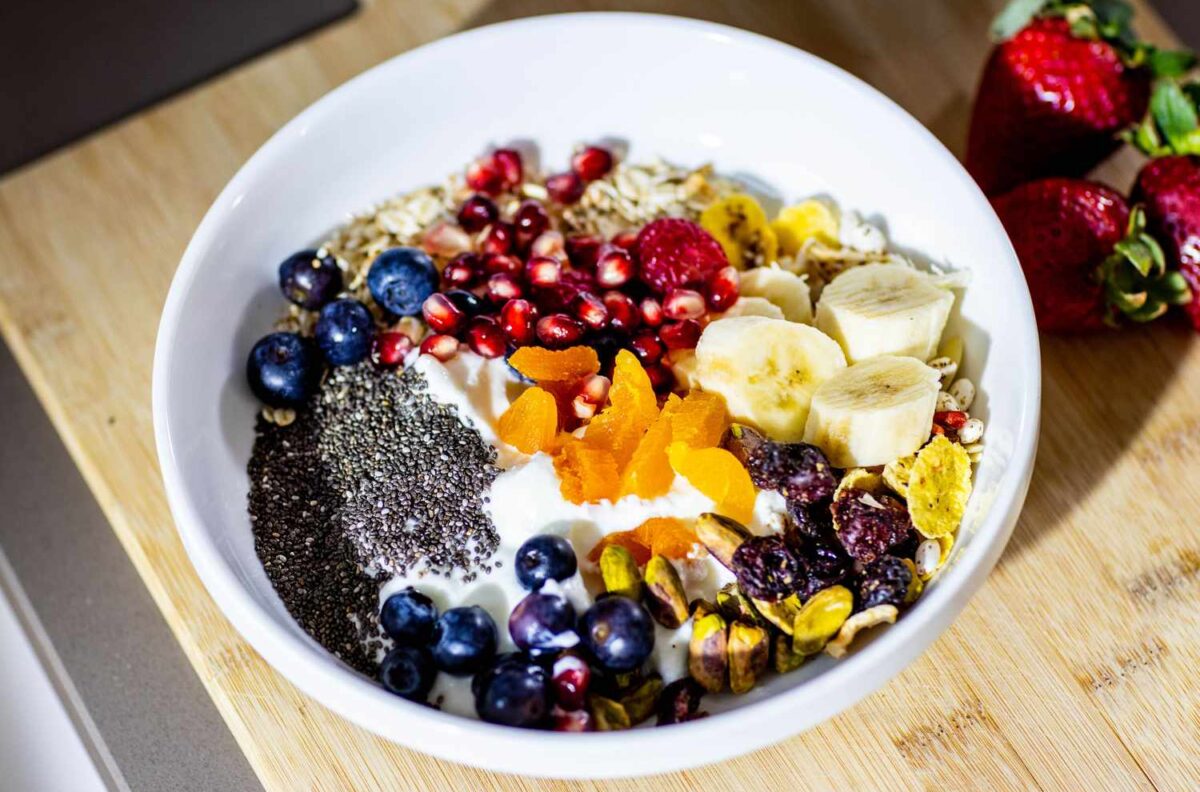
functional foods gaining attention in 2026
Food is no longer being judged only by how good it tastes or how many calories it contains. In 2026, more consumers are paying attention to what their food may offer beyond basic nutrition.
This growing interest has pushed functional foods into the spotlight. These are foods that provide nutrients while also being associated with additional health-related benefits, such as supporting digestive health, helping people meet protein needs, or contributing nutrients linked to heart, brain, and immune function.
From fermented foods and fibre-rich ingredients to protein-packed snacks and omega-3 sources, several categories are becoming increasingly visible in supermarkets, restaurants and social media conversations. Here are seven functional foods everyone is talking about in 2026 and why they are gaining attention.
1. Fermented Foods Continue to Drive Interest in Gut Health
Foods such as yogurt, kefir, kimchi, sauerkraut and other fermented products remain among the most discussed functional foods.
The growing interest is closely connected to consumer awareness of the gut microbiome, the large community of microorganisms that live in the digestive system. Certain fermented foods contain live microorganisms, though the effects can vary depending on the food, the specific microbes involved and the individual consuming them.
Fermented foods are not automatically beneficial for every person, and consumers should avoid assuming that every product marketed as fermented contains meaningful amounts of live cultures. Still, foods such as yogurt and kefir have become popular choices for people looking to add more fermented products to their diets.
2. High-Protein Foods Are Moving Beyond the Fitness Market
Protein-rich foods are no longer being marketed only to athletes and bodybuilders. In 2026, protein has become a major focus across everyday food categories, including snacks, breakfast products, dairy alternatives and ready-to-eat meals.
Consumers are increasingly looking for convenient ways to meet their protein needs, particularly when trying to maintain muscle mass, manage hunger or build more balanced meals.
Popular options include Greek yogurt, eggs, beans, lentils, fish, lean meats, cottage cheese and protein-enriched foods. Plant-based protein products are also receiving increased attention as consumers look for alternatives that fit different dietary preferences.
The key trend is convenience. Many shoppers want foods that combine protein, taste and ease of preparation rather than relying exclusively on traditional protein powders.
3. Fibre-Rich Foods Are Becoming a Major Wellness Focus
For years, protein dominated health-focused food conversations. Fibre is increasingly receiving similar attention.
Foods rich in dietary fibre, including oats, beans, lentils, berries, whole grains, chia seeds and vegetables, are becoming popular among consumers looking to improve the overall nutritional quality of their diets.
Fibre plays an important role in normal digestive function, and different types of fibre can interact differently with the digestive system. Many high-fibre foods also contain other nutrients, making them valuable additions to balanced eating patterns.
The growing popularity of prebiotic foods has also helped fuel this trend. Prebiotics are substances that can be used by beneficial microorganisms in the gut, and they are naturally found in a variety of plant foods.
4. Omega-3 Foods Remain Popular for Heart and Brain Nutrition
Foods containing omega-3 fatty acids continue to attract attention in 2026, particularly as consumers become more interested in nutrient-dense foods.
Fatty fish such as salmon, sardines and mackerel are among the best-known dietary sources of certain omega-3 fatty acids. Plant-based foods, including flaxseeds, chia seeds and walnuts, also provide a different form of omega-3.
Omega-3 fats are essential nutrients, meaning the body needs them from food. Their continued popularity reflects growing interest in foods associated with heart health, brain function and overall nutrition.
People should remember, however, that the nutritional effects of omega-3 foods depend on the type and amount consumed, as well as an individual’s overall diet.
READ ALSO
10 Foods That Could Get Much More Expensive in 2027
8 Viral TikTok Nigerian Food Trends Worth Trying
5. Mushrooms Are Gaining Attention as a Nutrient-Dense Functional Food
Mushrooms are becoming increasingly visible in conversations around functional eating.
Different varieties of mushrooms contain nutrients and naturally occurring compounds that have generated scientific and commercial interest. Culinary mushrooms can provide vitamins, minerals and other nutrients while adding flavour and texture to meals.
At the same time, consumers should distinguish between ordinary edible mushrooms and highly marketed mushroom supplements or extracts. Claims surrounding concentrated mushroom products may be stronger than the available scientific evidence.
For everyday diets, edible mushrooms are gaining popularity because they can easily be added to soups, sauces, rice dishes, salads and plant-based meals.
6. Functional Beverages Are Expanding Beyond Traditional Soft Drinks
The functional food trend is also changing what people drink.
Consumers are increasingly seeing beverages promoted with ingredients such as probiotics, fibre, electrolytes, protein, vitamins and botanical extracts. These products are often marketed as convenient ways to support hydration or increase nutrient intake.
Some functional beverages can be useful additions to a balanced diet, particularly when they provide nutrients that people may otherwise struggle to consume.
Still, consumers should examine labels carefully. A product marketed as functional can still contain significant amounts of added sugar or calories. The presence of a trendy ingredient does not automatically make an entire beverage healthy.
7. Seaweed and Other Nutrient-Dense Marine Foods Are Drawing Fresh Interest
Seaweed is another food attracting attention as consumers explore ingredients with naturally occurring minerals and distinctive flavours.
Different types of edible seaweed can provide nutrients such as iodine, although the amount can vary significantly depending on the species and serving size.
Seaweed is increasingly appearing in snacks, seasonings and restaurant dishes, helping bring marine-based ingredients into mainstream food conversations.
Consumers should still be mindful of portion sizes, particularly because excessive iodine intake may not be appropriate for everyone. Moderation and dietary variety remain important.
Why Functional Foods Are Becoming More Popular in 2026
The rise of functional foods reflects a broader shift in how consumers think about eating. Many people are searching for foods that combine convenience, nutrition and specific health-related benefits.
Social media, wellness culture and growing public interest in gut health and protein have also helped accelerate the trend. Food companies are responding by introducing products featuring probiotics, fibre, protein and other highly marketable ingredients.
Still, nutrition experts generally emphasise that no single functional food can replace an overall healthy eating pattern. The most useful approach is to focus on a varied diet built around nutrient-dense foods, while being cautious about exaggerated marketing claims.
The biggest functional food trend of 2026 may not be one particular ingredient. It may be the growing consumer demand for everyday foods that offer nutrition with a purpose.
FAQ: Functional Foods Trending in 2026
What are functional foods?
Functional foods are foods that provide basic nutrition while also being associated with additional benefits that may support aspects of health or normal body function. Examples can include foods containing fibre, live cultures, omega-3 fats or naturally occurring bioactive compounds.
What are the top functional foods in 2026?
Some of the most talked-about functional food categories in 2026 include fermented foods, high-protein foods, fibre-rich foods, omega-3 foods, mushrooms, functional beverages and seaweed.
Are functional foods actually healthy?
Functional foods can be part of a healthy diet, but their nutritional value depends on the specific product and a person’s overall eating habits. A food should not be considered healthy solely because it contains a trendy ingredient.
What functional foods are good for gut health?
Foods commonly associated with digestive and gut health include yogurt, kefir, fermented vegetables, oats, beans, lentils and other fibre-rich plant foods. Individual responses can vary.
Are fermented foods good for you?
Many fermented foods can be nutritious additions to a balanced diet. Some contain live microorganisms, but not all fermented products provide the same microorganisms or health effects.
What are the best high-protein functional foods?
Popular high-protein options include eggs, Greek yogurt, fish, poultry, beans, lentils, cottage cheese and other protein-rich foods.
Why is fibre becoming so popular?
Fibre is receiving more attention as consumers become increasingly interested in digestive health and overall nutrition. Foods high in fibre can also help people create more filling and nutrient-rich meals.
What foods are high in omega-3?
Fatty fish such as salmon, sardines and mackerel are well-known sources of certain omega-3 fatty acids. Plant foods such as flaxseeds, chia seeds and walnuts also contain omega-3 fats.
Are mushrooms considered functional foods?
Mushrooms are often discussed as functional foods because they contain nutrients and naturally occurring compounds that have attracted scientific interest. However, evidence for specific health claims can vary, especially for concentrated mushroom supplements.
What are functional beverages?
Functional beverages are drinks marketed as providing benefits beyond basic hydration. They may contain ingredients such as protein, probiotics, fibre, electrolytes or vitamins.
Are functional beverages better than water?
Not necessarily. Water remains essential for hydration. Functional beverages may provide additional nutrients, but consumers should check ingredients and added sugar levels.
What should I look for when buying functional foods?
Check the nutrition label, ingredient list, added sugar, serving size and overall nutritional value. It is also important to be cautious about products making dramatic health or disease-related claims.
Can functional foods replace supplements?
In some cases, nutrient-rich foods can help people meet nutritional needs, but supplements may still be appropriate for certain individuals. Anyone considering supplements for a specific medical or nutritional reason should consult a qualified healthcare professional.
Can functional foods prevent diseases?
No single food can guarantee disease prevention. A person’s overall diet, lifestyle, genetics and other factors all influence health outcomes.