

9 Ways Digital Life Is Reshaping Human Interaction

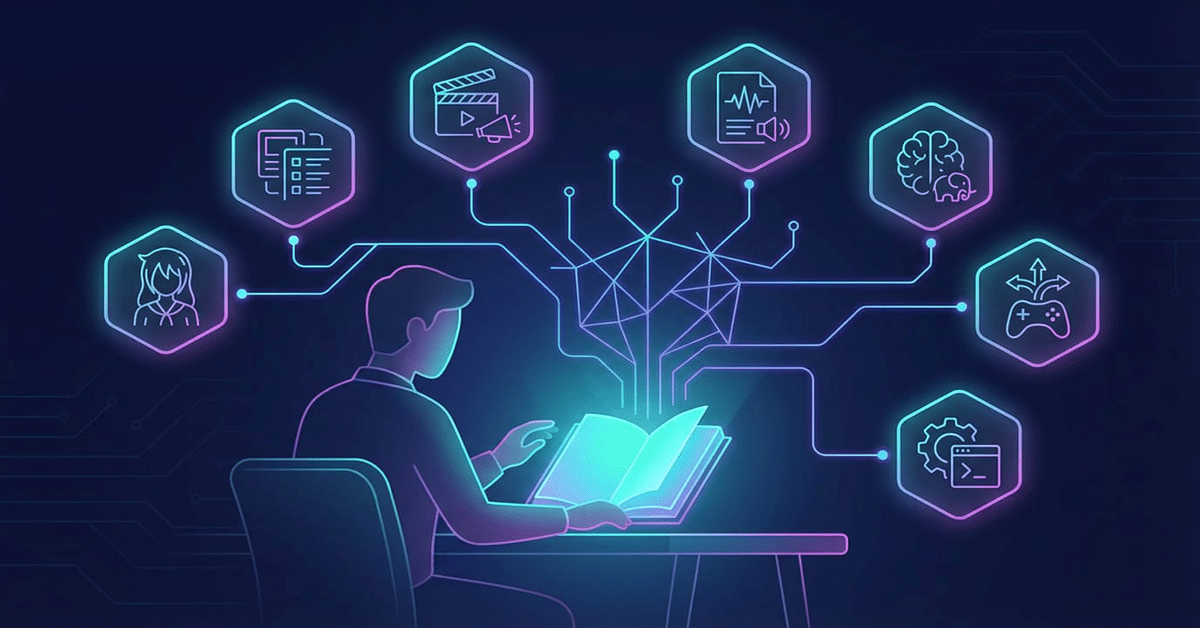
How digital life is transforming human interaction
In an era dominated by smartphones, social media, and instant messaging, digital life is fundamentally transforming how people connect, communicate, and build relationships. From reducing face-to-face interactions to redefining emotional expression, the digital shift is both revolutionary and disruptive. As more aspects of daily life move online, experts say understanding these changes is essential for maintaining healthy, meaningful human connections.
1. Social Media Is Redefining Communication Norms
Social media platforms have introduced a new language of interaction built on likes, shares, emojis, and short-form content. While these tools allow quick expression, they often replace deeper conversations. As a result, communication is becoming faster but less nuanced, sometimes leading to misunderstandings or shallow engagement.
2. Face-to-Face Conversations Are Declining
The convenience of texting and video calls has reduced the frequency of in-person conversations. While digital tools bridge distance, they also limit non-verbal cues like body language and tone, which are essential for building trust and empathy.
3. Instant Gratification Is Changing Attention Spans
Digital platforms encourage quick responses and constant engagement, which can shorten attention spans. People increasingly expect immediate replies and rapid feedback, altering patience levels in both personal and professional relationships.
4. Online Identities Are Influencing Real-Life Behavior
Many individuals curate ideal versions of themselves online. This can create pressure to match digital personas in real life, sometimes leading to anxiety or reduced authenticity in interactions.
READ ALSO
7 Powerful Digital Tools That Instantly Boost Time Management Skills
6 Game-Changing Innovations Transforming Everyday Life
5. Emotional Expression Is Becoming Digitized
Emojis, GIFs, and reactions have become substitutes for verbal expression. While they add convenience, they can oversimplify complex emotions, making it harder to communicate deeper feelings effectively.
6. Global Connectivity Is Expanding Social Circles
Digital life allows people to connect across borders, creating diverse and global networks. This has improved cultural exchange but can also dilute local, close-knit relationships as attention is spread across wider circles.
7. Privacy Boundaries Are Blurring
Sharing personal moments online has redefined privacy. Many individuals now navigate a world where personal and public lives overlap, influencing how they communicate and what they choose to reveal.
8. Relationships Are Formed and Maintained Online
From friendships to romantic partnerships, digital platforms now play a major role in relationship building. While this increases accessibility, it can also lead to misrepresentation and reduced emotional depth if not balanced with offline interaction.
9. Work and Personal Life Are Intertwined
Remote work tools and constant connectivity mean people are often reachable at all times. This has blurred the line between professional and personal communication, impacting work-life balance and relationship quality.
FAQ
What is digital life and how does it affect human interaction?
Digital life refers to the use of technology like smartphones, social media, and online platforms in daily activities. It affects human interaction by making communication faster but sometimes less personal and emotionally nuanced.
How has social media changed communication?
Social media has made communication more instant and visual, but it often reduces depth, replacing meaningful conversations with quick reactions like likes and comments.
Is face-to-face communication declining بسبب technology?
Yes, studies show that increased reliance on digital tools has reduced in-person interactions, which can affect relationship quality and emotional understanding.
What are the negative effects of digital communication?
Negative effects include miscommunication, reduced empathy, shorter attention spans, and overdependence on devices, which can weaken real-life relationships.
Can digital life improve relationships?
Yes, digital tools can help maintain long-distance relationships and expand social networks, but they work best when combined with offline interactions.
How does technology affect emotional expression?
Technology simplifies emotional expression through emojis and reactions, but this can sometimes limit the ability to convey complex feelings clearly.
Why is balancing digital and real-life interaction important?
Balancing both ensures stronger emotional connections, better communication skills, and healthier relationships, preventing overdependence on digital platforms.
How can I improve communication in a digital world?
Focus on clear messaging, active listening, regular face-to-face interaction, and mindful technology use to maintain meaningful connections.