

7 Cultural Experiences That Go Beyond Tourist Attractions

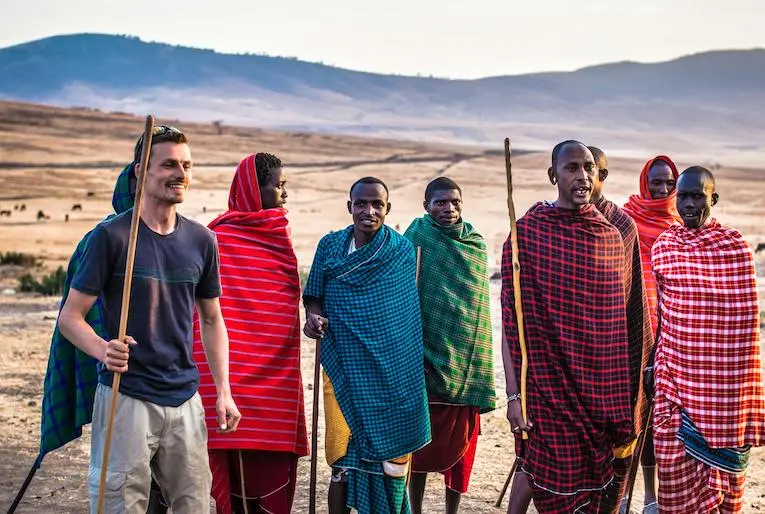
Travel deeper with authentic cultural experiences beyond tourist attractions
As global travel rebounds and tourists seek more meaningful journeys, there is a growing shift away from crowded landmarks toward authentic cultural experiences. While iconic attractions remain popular, seasoned travellers are increasingly prioritizing deeper connections with local traditions, communities, and everyday life.
Experts in the travel industry emphasise that immersive cultural engagement not only enriches personal experiences but also supports local economies and preserves heritage. From community-based tourism to hands-on traditions, here are seven cultural experiences that go far beyond typical sightseeing.
1. Participating in Local Festivals and Traditions
Attending a local festival offers an unmatched window into a community’s identity. Whether it’s a harvest celebration, religious event, or cultural parade, these gatherings showcase music, dance, food, and storytelling that define a region.
Unlike staged tourist performances, authentic festivals provide real-time cultural expression, allowing visitors to witness traditions as they naturally unfold.
2. Staying with Local Families or Homestays
Homestays have become a popular alternative to hotels, offering travellers the chance to live like locals. Sharing meals, conversations, and daily routines provides insights that no guidebook can offer.
This experience fosters genuine cultural exchange, helping visitors understand local customs, values, and ways of life on a deeper level.
3. Exploring Traditional Markets and Street Life
Local markets are vibrant hubs of culture, reflecting a region’s food habits, economic activity, and social interactions. Walking through these spaces exposes travellers to authentic ingredients, bargaining practises, and community dynamics.
Markets often reveal more about a destination than major landmarks, making them essential stops for culturally curious travellers.
4. Learning Indigenous Crafts and Skills
Hands-on workshops, such as pottery, weaving, or cooking, allow visitors to engage directly with traditional knowledge. These experiences not only teach new skills but also highlight the history and significance behind local craftsmanship.
Supporting artisans through these activities contributes to the preservation of cultural heritage and traditional livelihoods.
READ ALSO
8 Ways to Stay Healthy While Travelling Frequently
10 Hidden Travel Costs That Can Drain Your Budget Fast
5. Taking Part in Community-Based Tourism Projects
Community-based tourism initiatives are designed to ensure that travel benefits local populations. Visitors can participate in activities like farming, fishing, or conservation efforts.
These programs offer a mutually beneficial experience, where travellers gain authentic insights while communities receive economic support and cultural recognition.
6. Sampling Authentic Local Cuisine Beyond Restaurants
While restaurants cater to tourists, true culinary experiences often happen in homes, street stalls, or small local eateries. Trying traditional dishes prepared in their authentic setting provides a richer understanding of a culture’s identity.
Food is deeply tied to history and tradition, making it one of the most powerful ways to connect with a destination.
7. Engaging with Local Storytelling and Oral History
Storytelling remains a vital part of many cultures, preserving history, myths, and values across generations. Engaging with local storytellers, guides, or elders offers unique perspectives often absent from mainstream narratives.
These interactions create memorable and meaningful connections, transforming travel into a more personal and educational experience.
Why Travellers Are Shifting Toward Cultural Immersion
The rise of social media and global connectivity has made traditional tourist attractions more crowded than ever. In response, travelers are seeking less commercialized and more authentic experiences.
Cultural immersion not only enhances personal fulfillment but also promotes sustainable tourism practices, ensuring that destinations retain their identity while benefiting economically.
The Impact on Local Communities
When done responsibly, cultural tourism can empower communities by creating jobs, preserving traditions, and fostering cross-cultural understanding. However, experts caution that respect and sensitivity are essential to avoid exploitation or cultural misrepresentation.
FAQ
1. What are cultural experiences in travel?
Cultural experiences involve engaging with a destination’s traditions, customs, food, and daily life, offering a deeper understanding beyond typical sightseeing.
2. Why should travelers go beyond tourist attractions?
Going beyond tourist attractions allows travelers to experience authentic culture, build meaningful connections, and gain a more complete understanding of a destination.
3. What is cultural immersion in travel?
Cultural immersion means actively participating in local life, such as living with locals, attending festivals, or learning traditional skills.
4. How can I experience local culture while traveling?
You can explore markets, join community tours, try local food, attend cultural events, and interact with residents.
5. What is community-based tourism?
Community-based tourism focuses on local involvement and benefits, ensuring that tourism supports the economic and cultural well-being of local communities.
6. Are cultural experiences better than tourist attractions?
They offer different benefits. Cultural experiences provide deeper engagement, while tourist attractions offer iconic and historical value.
7. How do cultural experiences benefit local communities?
They create jobs, preserve traditions, and promote cultural awareness, contributing to sustainable development.
8. What are examples of authentic travel experiences?
Examples include homestays, local festivals, cooking classes, craft workshops, and guided cultural tours.
9. How can travelers avoid cultural disrespect?
Respect local customs, dress appropriately, ask permission before taking photos, and approach experiences with an open mind.
10. Why is cultural tourism becoming more popular?
Travellers are seeking unique, meaningful, and less crowded experiences, making cultural tourism a growing trend worldwide.