

HyperOS 4: 7 New Features That Will Change How Xiaomi Phones Look and Work

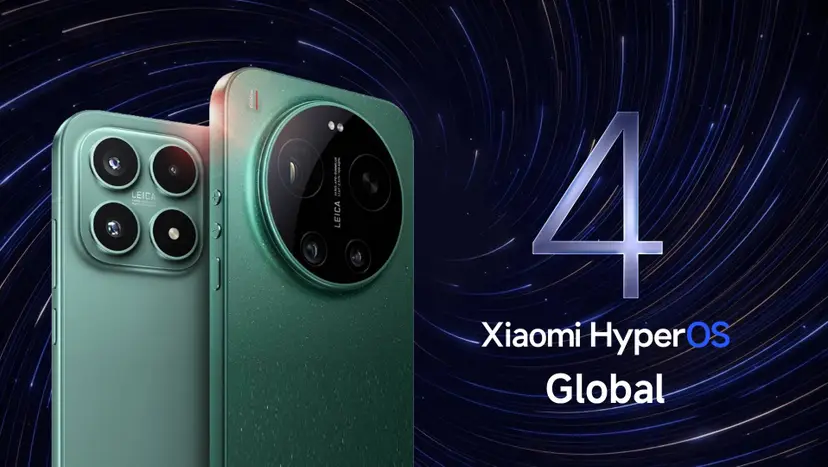
Xiaomi’s HyperOS 4 brings a redesigned glass-style interface, smoother performance, improved home screen customisation and new artificial intelligence tools. The update is based on Android 17, with the POCO F8 Pro among the first devices receiving the global version.
Xiaomi has introduced several major changes with HyperOS 4, giving compatible smartphones a refreshed appearance and new capabilities.
The update focuses on three major areas: design, performance and artificial intelligence. It also introduces new ways to organise notifications, customise the home screen and manage everyday activities.
The POCO F8 Pro is among the first smartphones to receive the global version. Other Xiaomi, Redmi and POCO devices are scheduled to receive the software in phases.
Here are seven major features coming with HyperOS 4.
1. New glass-style interface
One of the biggest changes in HyperOS 4 is its Soft Light Glass design.
The interface uses transparency, lighting effects and layered visual elements to give the phone a refreshed appearance. Some interface elements also respond to touch and movement with dynamic light effects.
The design changes extend across the system, including menus and other visual components. However, the appearance may differ depending on the phone model.
2. Customisable lock screen
HyperOS 4 introduces more options for personalising the lock screen.
Users can adjust clock sizes and typography to create different layouts. This gives them more control over how information appears when they wake their phones.
The feature also makes it easier to give the lock screen a distinct appearance without installing additional applications.
3. Stacked notifications
The new update introduces notification stacking to make the notification panel easier to manage.
Instead of displaying every notification separately, the system groups related alerts together.
Users can swipe through the stacked notifications to view individual messages and other alerts. This helps reduce clutter, particularly for people who receive frequent notifications.
4. Resizable home screen folders
HyperOS 4 also improves home screen organisation with resizable folders.
Users can adjust folder sizes to suit their preferences and arrange applications more conveniently.
The update also introduces widget stacking, allowing users to organise multiple widgets within the same space and switch between them.
These changes provide more flexibility for people who want a cleaner home screen.
5. Faster performance and app launches
Xiaomi has also focused on improving the overall performance of its software.
HyperOS 4 introduces precision workload scheduling, memory preloading and changes to the application runtime environment.
According to Xiaomi’s internal laboratory tests, opening 30 applications after nine hours of use took 36.8 seconds on HyperOS 4, compared with 40.3 seconds on HyperOS 3.
The company also reports improvements in camera launch times, scrolling and video playback.
These figures come from Xiaomi’s own tests, so actual performance may vary depending on the device and how it is used.
6. Smarter AI voice notes
Another major addition is the improved AI Voice Notes feature.
The tool can organise voice recordings into structured notes and allow users to ask questions about information stored in their notes.
It can also extract tasks from recorded information and turn them into actionable to-do lists.
This could make the feature useful for students, journalists and professionals who regularly record meetings, interviews or personal reminders.
7. Improved AI speech recognition
HyperOS 4 also introduces improved AI speech recognition tools.
The feature can organise and summarise recorded conversations, identify important information and generate outlines for easier navigation.
Users can also insert image markers into recordings and skip silent sections when reviewing audio.
These additions are designed to make recorded information easier to understand and manage.
Which Xiaomi phones will receive HyperOS 4?
Xiaomi has published a global rollout schedule covering eligible smartphones and tablets.
The first group includes the POCO F8 Pro, POCO F8 Ultra, Xiaomi 17 series, Redmi Note 15 series and Xiaomi Pad 8 series.
Other supported devices, including the POCO F7 series, Xiaomi 15 series and Redmi Note 17 family, are scheduled for the next rollout phase.
The December phase includes selected Xiaomi 14 and 13 models, POCO F6 devices and Redmi Note 14 smartphones.
However, the schedule is an estimate. Actual availability may differ depending on the device, region and carrier.
How to check for the HyperOS 4 update
Xiaomi and POCO users can check whether the new software is available on their devices by following these steps:
- Open Settings on your smartphone.
- Select About phone.
- Tap the HyperOS version section.
- Check for available updates.
- Download and install the update if it appears.
Users should connect to Wi-Fi and ensure they have sufficient storage and battery power before installing the software.
Xiaomi’s new update brings changes beyond appearance, particularly through its performance improvements and AI tools. However, some features are restricted to selected devices, languages and regions. Users should therefore check which features their particular smartphone supports.