
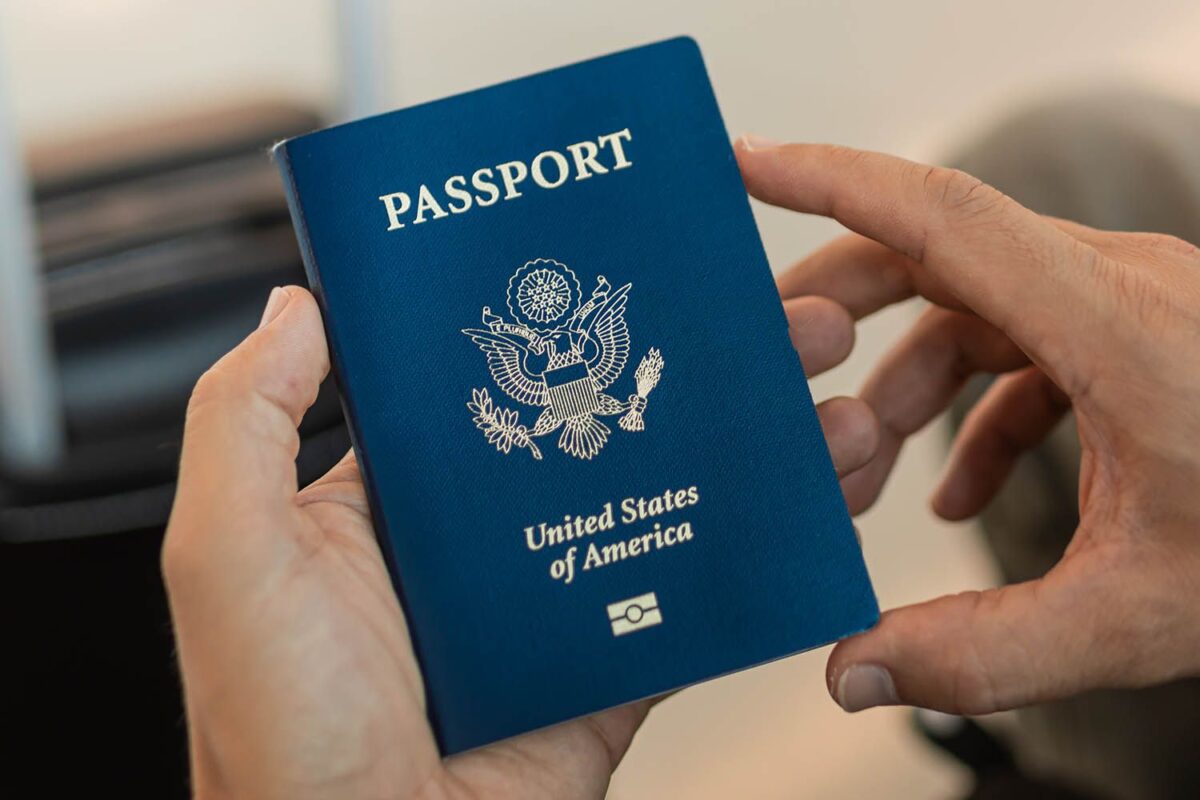
Unpaid federal tax debt can prevent American citizens from obtaining or renewing their passports, with the United States government empowered to restrict passport services for individuals whose tax liabilities meet a specific legal threshold.
The debt category is known as seriously delinquent tax debt. It covers unpaid federal taxes, including accumulated interest and penalties. The Internal Revenue Service (IRS) can identify affected taxpayers and notify the US Department of State, which may then refuse to issue their passports.
The restriction also extends beyond new applications. Americans who already possess valid passports could face revocation if they fail to resolve their qualifying tax debts.
What Is Seriously Delinquent Tax Debt?
Seriously delinquent tax debt refers to unpaid federal tax obligations that have reached the threshold for passport-related enforcement under US law.
The amount owed includes the original federal tax liability, as well as interest and penalties that accumulate over time.
When a taxpayer falls into this category, the IRS can notify the Department of State. That notification can trigger restrictions on the individual’s ability to obtain a passport.
This means that an outstanding federal tax obligation can have consequences beyond financial penalties, potentially affecting international travel.
How Unpaid Tax Debt Can Affect an American Passport
The US government can impose passport restrictions on affected citizens in two major ways.
1. Rejection or delay of a new passport application
Americans applying for a new passport may have their applications delayed or rejected if the IRS has certified their seriously delinquent tax debt to the Department of State.
The restriction remains an issue until the taxpayer takes the necessary steps to resolve the outstanding obligation.
2. Revocation of an existing passport
People who already have valid American passports are not automatically exempt.
The government can also revoke an existing passport when its holder has seriously delinquent tax debt that has been certified by the IRS.
This means that holding a valid passport does not necessarily protect someone from the consequences of unresolved federal tax liabilities.
READ ALSO
US 10-Year Passport: 5 Conditions That Require Adults to Apply in Person
How Can Americans Resolve Seriously Delinquent Tax Debt?
Affected taxpayers must follow the payment and resolution procedures established by the IRS to address their outstanding obligations.
Resolving the debt can help remove the passport restriction, allowing the Department of State to proceed with passport services once the relevant clearance has been completed.
However, the process is not necessarily immediate. The government has indicated that it may take several weeks for the issue to be resolved and for normal passport services to resume.
Citizens facing this situation should contact the IRS to understand their tax status and the available steps for resolving the debt.
What This Means for American Travellers
The passport restriction highlights the connection between federal tax compliance and international travel rights in the United States.
Americans with seriously delinquent tax debt could encounter difficulties when applying for a passport, while existing passport holders may also face restrictions.
For citizens planning international trips, addressing qualifying federal tax liabilities early could help prevent unexpected disruptions to their travel plans.
Frequently Asked Questions
1. What type of debt can stop an American from getting a passport?
Seriously delinquent tax debt, which involves unpaid federal taxes together with accumulated interest and penalties, can lead to passport restrictions.
2. Can the IRS stop someone from getting a US passport?
The IRS can certify qualifying seriously delinquent tax debt to the Department of State, which can then deny passport issuance.
3. Can unpaid tax debt lead to the cancellation of an existing US passport?
Yes. The government can revoke an existing passport if the holder has qualifying seriously delinquent tax debt.
4. How can Americans remove a passport restriction caused by tax debt?
They must follow the IRS payment and resolution procedures to address the outstanding tax liability. Clearance may take several weeks.
5. Does every unpaid federal tax bill automatically affect a US passport?
No. The restriction described applies to seriously delinquent tax debt, not necessarily every outstanding federal tax bill.
6. How long does it take to restore passport services after resolving tax debt?
The process can take several weeks, according to the source report. The exact processing period is not specified.