

6 Reasons Portion Control Matters More Than You Think

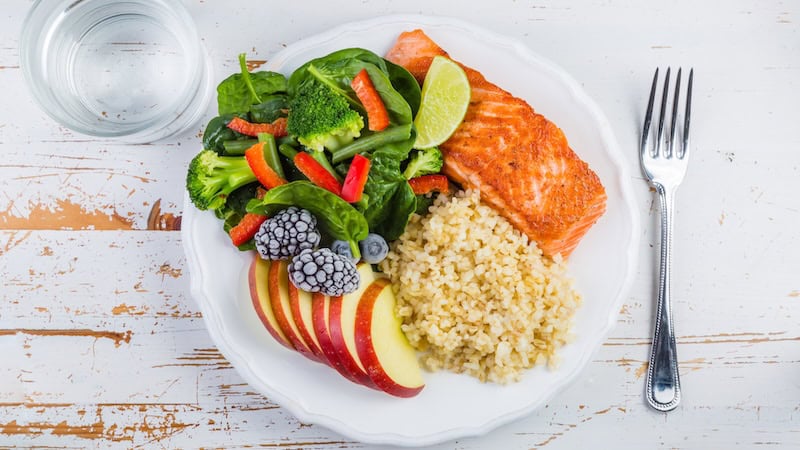
Why portion control is key to better health
In a world where oversized meals and fast food culture dominate daily routines, portion control has emerged as one of the most underrated yet powerful tools for maintaining good health. While many people focus heavily on what they eat, nutrition experts increasingly stress that how much you eat can be just as important.
Portion control is not about restriction or deprivation, it is about balance, awareness, and smarter eating habits. From supporting weight management to improving digestion and energy levels, controlling portion sizes can have a lasting impact on overall well-being.
Below are six compelling reasons why portion control deserves more attention than it often gets.
1. Supports Healthy Weight Management
One of the most widely recognized benefits of portion control is its role in maintaining or achieving a healthy weight. Consuming large portions, even of healthy foods, can lead to excess calorie intake.
By managing portion sizes, individuals can reduce calorie consumption without eliminating entire food groups, making it a sustainable approach compared to restrictive diets.
2. Prevents Overeating and Mindless Eating
Large portions often encourage overeating, especially when eating quickly or while distracted. Portion control promotes mindful eating, helping individuals pay attention to hunger and fullness cues.
This awareness reduces the likelihood of consuming more food than the body actually needs.
3. Improves Digestion and Gut Health
Eating excessive amounts of food in one sitting can strain the digestive system. Practicing portion control allows the body to process food more efficiently, reducing issues like bloating, discomfort, and indigestion.
Smaller, balanced meals can support better gut health and nutrient absorption over time.
READ ALSO
8 Foods That Support Hormonal Health Naturally
7 Cooking Techniques That Unlock Hidden Nutrients in Your Food
4. Helps Maintain Balanced Nutrition
Portion control encourages individuals to create balanced meals that include appropriate amounts of proteins, carbohydrates, and healthy fats.
Instead of overloading on one type of food, it promotes variety, ensuring the body receives a broader range of essential nutrients.
5. Supports Better Energy Levels
Overeating can lead to sluggishness and fatigue, while undereating may cause low energy. Portion control helps maintain steady energy levels throughout the day by preventing extreme highs and lows in blood sugar.
Balanced portions allow the body to function more efficiently, especially during work, travel, or daily activities.
6. Reduces Risk of Chronic Health Issues
Consistently consuming oversized portions has been linked to increased risks of conditions such as obesity, type 2 diabetes, and heart disease.
By adopting portion control, individuals can lower long-term health risks and support overall wellness in a sustainable way.
Why Portion Control Is Often Overlooked
Despite its benefits, portion control is frequently ignored due to factors like large restaurant servings, social eating habits, and lack of awareness. Many people underestimate how much they eat daily, making portion awareness a critical step toward healthier living.
Practical Tips for Better Portion Control
Experts recommend simple strategies such as using smaller plates, reading food labels, eating slowly, and avoiding distractions during meals. These habits can make portion control easier and more consistent over time.
FAQ
1. What is portion control and why is it important?
Portion control involves managing the amount of food you eat at each meal. It is important because it helps regulate calorie intake, supports digestion, and promotes overall health.
2. How does portion control help with weight loss?
By reducing portion sizes, you consume fewer calories, which can lead to gradual and sustainable weight loss without strict dieting.
3. What is a healthy portion size?
A healthy portion size varies by individual, but general guidelines include balancing proteins, carbohydrates, and vegetables while avoiding oversized servings.
4. Can you eat anything if you practice portion control?
Yes, portion control allows flexibility. You can enjoy a variety of foods as long as you manage the quantity consumed.
5. How can I control my portions without feeling hungry?
Eat slowly, include fiber-rich foods, stay hydrated, and focus on balanced meals to feel full with smaller portions.
6. Does portion control improve digestion?
Yes, smaller portions reduce strain on the digestive system, helping prevent bloating and discomfort.
7. What are common mistakes in portion control?
Common mistakes include eating directly from large packages, ignoring hunger cues, and underestimating serving sizes.
8. Is portion control better than dieting?
Portion control is often more sustainable than restrictive diets because it focuses on balance rather than elimination.
9. How can I practise portion control at restaurants?
Share meals, request smaller portions, or pack leftovers to avoid overeating.
10. Can portion control reduce health risks?
Yes, it can lower the risk of obesity, diabetes, and heart disease by preventing excessive calorie intake.