
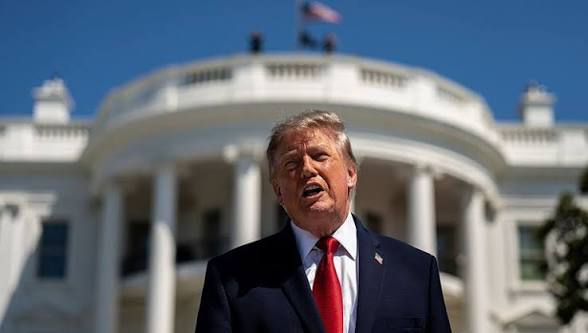
The Democratic Party’s takeover of the US Senate and House of Representatives has dealt President Donald Trump a major political setback. The November 3 midterm results give Democrats greater control over Congress and could reshape the final years of his presidency.
The 2026 US midterm elections have produced a major political shift, with Democrats winning control of both chambers of Congress.
The victories stripped Trump’s Republican Party of its majorities in the Senate and House of Representatives. The outcome also represents a significant reversal from the 2024 elections, when Republicans secured control of the Senate and returned Trump to the White House.
According to The Guardian, Trump had spent weeks urging Americans to treat the midterm elections as a referendum on his leadership. The results instead delivered a major setback to his party, with several candidates backed by his Make America Great Again (MAGA) movement losing their races.
The Democratic victory could affect how Trump governs during the remaining years of his second term. Here are five important consequences of the results.
1. Democrats gain control over Congress
The biggest consequence is the transfer of control of both chambers from Republicans to Democrats.
The Senate and House play central roles in passing federal laws, approving government spending and scrutinising the executive branch.
With Democrats controlling both chambers, Trump will face a Congress led by the opposition party. This could make it more difficult for his administration to secure support for major legislative proposals.
It also gives Democrats greater influence over the congressional agenda and the issues lawmakers prioritise.
2. Trump’s legislative agenda faces new obstacles
The change in congressional control could complicate Trump’s plans to advance his domestic policies.
Republicans previously had greater freedom to support the president’s proposals because they controlled both chambers.
That arrangement has now changed. Democratic lawmakers can challenge proposed legislation, negotiate changes and oppose policies they disagree with.
Although Trump retains presidential powers, passing major laws will require greater negotiation with Democratic lawmakers.
3. Democrats gain greater power to investigate his administration
Control of Congress also gives Democrats more opportunities to scrutinise the Trump administration.
Congressional committees can hold hearings, request documents and question government officials about the activities of federal agencies.
With Democrats controlling committee leadership in both chambers, they could increase investigations into government decisions and the implementation of presidential policies.
However, congressional investigations do not automatically establish wrongdoing. Any allegations would still require supporting evidence and appropriate legal processes.
4. Trump’s influence within the Republican Party faces questions
The election results could also create fresh questions about Trump’s influence over Republican politics.
Before the midterms, the president actively encouraged voters to support Republican candidates and presented the elections as an opportunity to strengthen his political agenda.
However, the defeat of several candidates associated with his MAGA movement raises questions about the effectiveness of that strategy.
Republican lawmakers could face pressure to reconsider their campaign priorities and approach to future elections.
The results may also influence discussions about the party’s leadership and direction ahead of the 2028 presidential election.
5. Democrats strengthen their position ahead of 2028 elections
The victories give Democrats an opportunity to rebuild their political influence ahead of the next presidential election.
Control of Congress provides the party with a national platform to challenge Republican policies, promote its own legislative priorities and present an alternative governing agenda.
Democratic lawmakers can also use congressional hearings and debates to draw attention to issues they want voters to consider.
However, winning the midterms does not guarantee victory in the 2028 presidential election. Democrats will still need to address questions about leadership, policy priorities and their eventual presidential candidate.
What happens next?
Trump remains president despite the Republican losses. However, his party will no longer control the two chambers responsible for passing federal legislation.
The Democratic takeover could therefore change the relationship between the White House and Congress for the remainder of his term.
The November 3 results also demonstrate how midterm elections can reshape political power even when the president is not seeking re-election.
For Trump, the challenge will be governing with an opposition-controlled Congress. For Democrats, the responsibility will be turning their electoral gains into legislative influence.