

7 Cooking Techniques That Unlock Hidden Nutrients in Your Food

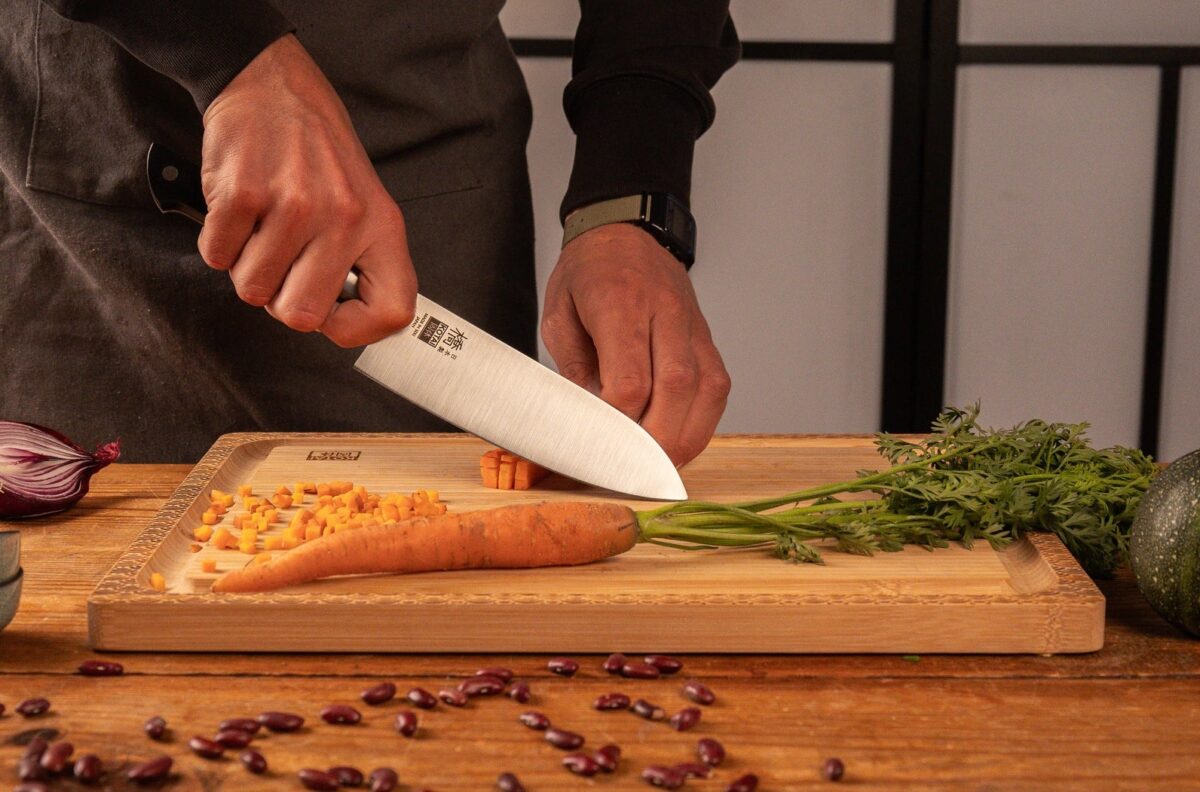
Simple cooking techniques that boost nutrient absorption
In an era where healthy eating is a top priority, what many people overlook is that how you cook your food can be just as important as what you eat. Nutrition experts increasingly emphasise that certain cooking methods can either destroy essential nutrients or significantly boost their absorption in the body. From simple techniques like steaming to strategic pairings of ingredients, small adjustments in the kitchen can make a measurable difference in overall health.
Here’s a closer look at seven evidence-backed cooking techniques that can help unlock more nutrients from everyday meals.
1. Light Steaming Preserves Water-Soluble Vitamins
Steaming vegetables is widely regarded as one of the best cooking methods for nutrient retention. Unlike boiling, which causes vitamins like vitamin C and B-complex to leach into water, steaming keeps these nutrients intact. Vegetables such as broccoli, spinach, and carrots retain more of their antioxidant properties when lightly steamed.
2. Pairing Healthy Fats with Vegetables Improves Absorption
Certain vitamins, specifically A, D, E, and K, are fat-soluble, meaning they require fat for proper absorption. Adding healthy fats like olive oil, avocado, or nuts to salads and cooked vegetables significantly improves nutrient uptake. For example, drizzling oil over carrots or leafy greens enhances the absorption of beta-carotene and vitamin K.
3. Cooking Tomatoes Boosts Lycopene Levels
While raw vegetables are often praised, cooking tomatoes actually increases the availability of lycopene, a powerful antioxidant linked to heart health. Heating breaks down plant cell walls, making lycopene easier for the body to absorb. Tomato sauces and stews are therefore more nutrient-accessible than raw tomatoes alone.
4. Soaking and Sprouting Grains Reduces Anti-Nutrients
Whole grains and legumes contain compounds like phytates, which can block mineral absorption. Soaking, fermenting, or sprouting these foods reduces these anti-nutrients, allowing the body to better absorb iron, zinc, and calcium. This technique is especially important for plant-based diets.
READ ALSO
8 Surprising Ways Your Food Choices Can Affect Your Travel Experience
8 Foods That Support Hormonal Health Naturally
5. Chopping and Crushing Activates Key Compounds
Cutting or crushing foods like garlic and onions activates beneficial compounds such as allicin, known for its antimicrobial and heart-protective properties. Allowing chopped garlic to sit for a few minutes before cooking maximizes its nutritional benefits.
6. Avoid Overcooking to Prevent Nutrient Loss
Excessive heat and long cooking times can destroy sensitive nutrients. Overcooking vegetables not only reduces vitamin content but can also diminish flavor and texture. Experts recommend short cooking times and moderate heat to preserve both taste and nutrition.
7. Fermentation Enhances Gut-Friendly Nutrients
Fermented foods like yogurt, kimchi, and sauerkraut improve nutrient bioavailability while adding beneficial probiotics. These microbes aid digestion and help the body absorb more nutrients from food, particularly B vitamins and minerals.
Why Cooking Methods Matter More Than You Think
Nutrition is not just about calorie intake, it’s about how effectively your body can access and use nutrients. By applying these cooking techniques, individuals can maximize the health benefits of everyday foods without drastically changing their diet.
Experts say that even small adjustments, such as switching from boiling to steaming or adding healthy fats, can lead to long-term improvements in nutrient intake and overall wellness.
FAQ
1. What cooking method retains the most nutrients?
Steaming is considered one of the best methods because it minimizes nutrient loss, especially for water-soluble vitamins like vitamin C and B vitamins.
2. Does cooking food destroy nutrients?
Yes, certain nutrients are sensitive to heat, but cooking can also enhance the availability of others, such as lycopene in tomatoes and beta-carotene in carrots.
3. Why should I add fat to vegetables?
Healthy fats improve the absorption of fat-soluble vitamins (A, D, E, K), making your meals more nutritionally effective.
4. Is raw food always healthier than cooked food?
Not always. While some nutrients are better preserved raw, others become more bioavailable after cooking, depending on the food.
5. How does fermentation improve nutrition?
Fermentation introduces beneficial bacteria that enhance digestion and increase nutrient absorption, especially for vitamins and minerals.
6. What are anti-nutrients and how do they affect absorption?
Anti-nutrients like phytates can block mineral absorption. Techniques like soaking, sprouting, and fermenting help reduce their impact.
7. Can overcooking vegetables be harmful?
Overcooking reduces nutrient content and may degrade important vitamins, making food less nutritious overall.
8. Why is chopping garlic important before cooking?
Chopping activates compounds like allicin, which offer health benefits such as improved heart health and immunity.