

Diphtheria explained: symptoms, prevention and why Kano recorded over 32,000 deaths as Plateau closes schools indefinitely

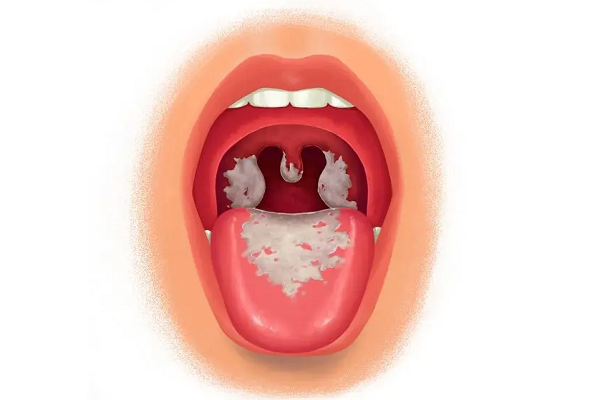
Diphtheria is a dangerous and potentially deadly bacterial disease that has raised fresh public-health concerns in Nigeria after it was linked to 32,000 deaths in Kano and the indefinite closure of schools in Plateau state.
The developments have renewed calls for vaccination, early diagnosis and urgent treatment, particularly for children, who face the greatest risk of severe illness.
What is diphtheria?
Diphtheria is an infectious disease caused by bacteria, mainly Corynebacterium diphtheriae. The bacteria can produce a powerful toxin that damages the throat, heart, nerves and other organs.
It spreads through:
– Coughing and sneezing
– Close contact with an infected person
– Respiratory droplets
– Contact with contaminated objects
– Contact with infected skin sores
ALSO READ:
Plateau shuts schools as Diphtheria cases increase and Kano reports deaths: how to prevent and respond during an outbreak
The disease can spread quickly in crowded homes, schools and communities, especially where vaccination coverage is low.
What happened in Kano?
Health authorities reported that diphtheria was associated with 32,000 deaths in Kano. The fatalities have drawn attention to the continuing risk posed by vaccine-preventable diseases in Nigeria.
The reported figure should be understood alongside the number of suspected and confirmed cases. In outbreak reporting, not every suspected case is laboratory-confirmed, and health officials may revise figures as investigations continue.
Residents have been advised to report suspected cases and seek treatment immediately. Delays are dangerous because the toxin can cause severe complications within a short period.
Why did Plateau close schools indefinitely?
Plateau authorities ordered the indefinite closure of affected schools after concerns that diphtheria could spread among pupils and staff.
Schools can facilitate transmission because students spend long periods together in enclosed classrooms, share facilities and have frequent close contact. The closure is intended to:
– Reduce person-to-person transmission
– Allow health officials to investigate cases
– Trace and monitor contacts
– Screen exposed students and staff
– Strengthen vaccination activities
– Improve infection-prevention measures
The closure does not mean every student is infected. It is a precautionary response designed to limit further spread while authorities assess the situation.
Symptoms of diphtheria
Symptoms usually appear between two and 10 days after exposure. They may include:
– Sore throat
– Fever
– Weakness
– Swollen glands in the neck
– Difficulty swallowing
– Difficulty breathing
– Hoarseness
– Nasal discharge
– A thick grey or white membrane in the throat
– Swollen neck
The membrane may obstruct breathing and should not be removed at home. Anyone with severe breathing difficulty, a swollen neck or a grey coating in the throat should be taken to a hospital immediately.
How dangerous is the disease?
Without prompt treatment, diphtheria can cause:
– Breathing failure
– Heart inflammation
– Heart failure
– Nerve damage
– Paralysis
– Kidney complications
– Death
Children who have not received all recommended vaccines are particularly vulnerable. Adults may also become infected if they are unvaccinated or their immunity has declined.
How is diphtheria treated?
Diphtheria requires urgent medical care. Treatment may involve:
– Diphtheria antitoxin
– Antibiotics
– Isolation
– Oxygen or breathing support
– Treatment of complications
– Monitoring of the heart and nervous system
People who have had close contact with an infected patient may need preventive antibiotics, testing and vaccination. Suspected patients should not rely on self-medication or traditional remedies instead of hospital care.
Vaccination is the best protection
Diphtheria is preventable through routine immunisation. Children receive protection through vaccines containing diphtheria, tetanus and pertussis components, including the pentavalent vaccine and recommended booster doses.
Parents and caregivers should:
– Check children’s immunisation records
– Complete all routine vaccine doses
– Visit a health facility for missed doses
– Participate in government vaccination campaigns
– Keep vaccination cards safe
High vaccination coverage protects individuals and reduces the chance of community-wide outbreaks.
What should residents do?
People in affected communities should:
– Seek medical care for suspected symptoms
– Avoid close contact with infected people
– Follow isolation instructions
– Wash hands regularly
– Improve ventilation indoors
– Avoid sharing utensils and personal items
– Keep sick children away from school
– Report suspected cases to health authorities
– Avoid spreading unverified information
Frequently asked questions
Is diphtheria contagious?
Yes. It spreads through respiratory droplets and close contact with infected people.
Can vaccinated children get diphtheria?
Vaccination greatly reduces the risk of infection and severe disease, although no vaccine provides absolute protection.
Is diphtheria curable?
It can be treated, especially when detected early. However, delayed treatment can lead to serious complications or death.
Why are schools closed during an outbreak?
Schools may be closed to reduce close contact, support contact tracing and allow authorities to investigate and control transmission.
What should I do if my child has a sore throat?
Seek medical advice, especially if the child has fever, swollen neck glands, breathing difficulty or a grey membrane in the throat. Do not attempt to remove the membrane.
Can adults contract diphtheria?
Yes. Adults can become infected if they are unvaccinated or have weakened immunity.
The deaths reported in Kano and Plateau’s indefinite school closure demonstrate that diphtheria remains a serious public-health threat in Nigeria. The most effective response is early detection, immediate treatment, contact tracing and strong vaccination coverage.
Parents, schools and communities must work with health authorities to identify suspected cases quickly and prevent further transmission. Anyone experiencing symptoms such as difficulty breathing, a severe sore throat, swollen neck or a grey membrane in the throat should seek urgent medical attention.
Diphtheria is preventable and treatable—but delays can be fatal.