

Is Diphtheria contagious? How it spreads, symptoms, prevention, and when to seek help

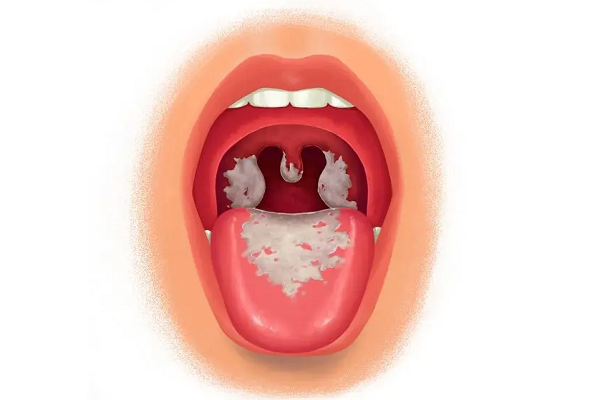
Diphtheria is contagious, potentially serious, and preventable through vaccination. Although reported cases are uncommon in many countries, outbreaks can still occur when vaccination rates fall or people are exposed to infected individuals.
The disease is caused by toxin-producing strains of Corynebacterium diphtheriae. It most often affects the throat and nose, where the bacteria can create a thick gray coating that makes breathing and swallowing difficult. In some cases, the toxin can damage the heart, nerves, and other organs.
How Is Diphtheria Spread?
Diphtheria mainly spreads from person to person through respiratory droplets. An infected individual may release bacteria by:
– Coughing or sneezing
– Talking at close range
– Sharing utensils, cups, or other personal items
– Touching objects contaminated with respiratory secretions
The infection can also spread through direct contact with infected skin sores, particularly in cases of cutaneous diphtheria.
ALSO READ:
People are most likely to transmit the illness when they have symptoms. However, some infected individuals may carry and spread the bacteria without appearing seriously ill. Close household contact, crowded living conditions, and limited access to healthcare can increase the risk of transmission.
What Are the Symptoms of Diphtheria?
Symptoms commonly begin between two and five days after exposure, although the timing can vary. Early symptoms may resemble a routine throat infection, including:
– Sore throat
– Mild fever
– Weakness or tiredness
– Swollen glands in the neck
– Hoarseness
– Difficulty swallowing
A defining sign of respiratory diphtheria is a thick gray or white membrane in the throat, nose, or tonsils. Attempting to remove this coating can cause bleeding.
In severe cases, neck swelling may develop, sometimes referred to as a “bull neck.” Breathing problems, heart complications, paralysis, and kidney damage are also possible because of the bacterial toxin.
Is Diphtheria Contagious Before
Symptoms Appear?
Diphtheria can potentially spread before the infection is recognized, especially when a person has mild or no obvious symptoms. This makes early medical assessment important after known exposure.
Without appropriate treatment, an infected person may remain contagious for several weeks. Antibiotics can usually eliminate the bacteria and reduce the risk of transmission, but patients should follow medical advice and complete the prescribed course.
Who Faces the Greatest Risk?
Anyone without adequate immunity can develop diphtheria. The risk is higher among:
– Unvaccinated or partially vaccinated children
– Adults whose immunity has weakened over time
– People living in areas with low vaccination coverage
– Household contacts of an infected person
– Individuals in crowded or poorly ventilated settings
– Travelers visiting regions where diphtheria remains more common
Infants and young children can face particularly severe complications if they are not fully protected.
What Should You Do After Exposure?
Anyone who has been in close contact with a person diagnosed with diphtheria should contact a healthcare professional promptly, even without symptoms. Doctors may recommend testing, preventive antibiotics, and a booster vaccination.
People with suspected diphtheria should avoid close contact with others until healthcare professionals confirm that they are no longer infectious. Do not share food, drinks, towels, toothbrushes, or other personal items.
If someone develops breathing difficulty, a bluish appearance, severe weakness, or swelling in the throat or neck, emergency medical care is needed.
Vaccination Remains the Best Protection
Diphtheria vaccines provide strong protection and are usually given as part of combination vaccines, often alongside protection against tetanus and whooping cough. Immunity can decrease over time, so booster doses may be recommended during adolescence and adulthood.
Vaccination does not guarantee that every infection will be prevented, but it sharply reduces the risk of severe disease, complications, and death. Maintaining high community vaccination rates also helps protect babies and people who cannot be fully immunized.
Frequently Asked Questions
Is diphtheria contagious?
Yes. Diphtheria can spread through respiratory droplets, close contact, and contact with infected skin lesions.
How long is diphtheria contagious?
Without treatment, a person may remain contagious for several weeks. Appropriate antibiotics generally reduce transmission, but medical testing and clearance may be required.
Can vaccinated people get diphtheria?
Vaccinated people can rarely become infected, but vaccination greatly lowers the risk of severe illness and complications.
Can diphtheria spread through surfaces?
Transmission from contaminated objects is possible, although close person-to-person contact is the more common route.
Is diphtheria the same as strep throat?
No. Diphtheria and strep throat are caused by different bacteria and require different medical evaluation and treatment.
What should close contacts do?
Close contacts should seek medical advice promptly. They may need antibiotics, testing, and a vaccination booster, depending on their medical history and exposure.