

Plateau shuts schools as Diphtheria cases increase and Kano reports deaths: how to prevent and respond during an outbreak

Plateau shuts schools as Diphtheria cases increase and Kano reports deaths: how to prevent and respond during an outbreak
Diphtheria is a serious bacterial infection that can spread quickly in crowded communities, schools and households. It mainly affects the throat and upper airways, but it can also damage the heart, nerves and other organs.
The disease is preventable through vaccination and treatable when detected early. During an outbreak, individuals, families, schools and health authorities all have important roles to play.
Get Vaccinated and Complete Routine Doses
Vaccination remains the most effective protection against diphtheria. Children should receive vaccines according to Nigeria’s routine immunisation schedule, including the diphtheria-tetanus-pertussis vaccine.
Parents and caregivers should:
– Check children’s vaccination cards.
– Ensure infants receive all scheduled doses.
– Take children for catch-up vaccination if doses were missed.
– Ask health workers about booster doses for older children and adults.
– Keep vaccination records safely for future reference.
People who are unsure about their vaccination status should visit an authorised health facility for guidance.
Recognise the Warning Signs
Diphtheria may initially resemble a common throat infection. Symptoms can include:
– Sore throat
– Fever
– Weakness and tiredness
– Swollen glands in the neck
– Difficulty swallowing
– Hoarseness
– Difficulty breathing
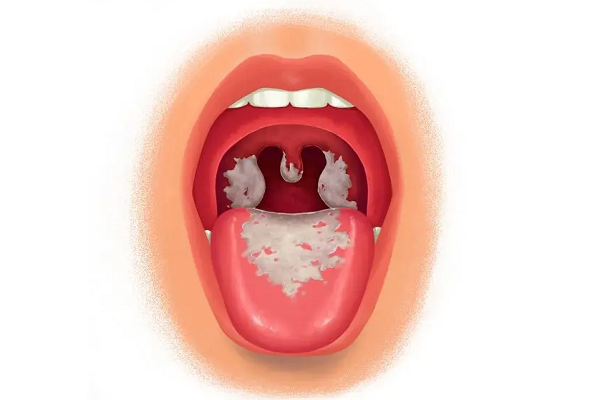
– A thick grey or white coating in the throat or nose
A swollen neck, sometimes called a “bull neck,” may occur in severe cases. The membrane in the throat can obstruct breathing and should never be forcibly removed.
Seek Medical Care Immediately
Anyone with symptoms suggestive of diphtheria should be taken to a health facility without delay. Early treatment can reduce complications and prevent further transmission.
Treatment may involve:
– Diphtheria antitoxin, which neutralises the toxin produced by the bacteria.
– Antibiotics, which help eliminate the infection.
ALSO READ:
– Medical monitoring for breathing difficulties and heart or nerve complications.
– Contact tracing and preventive treatment for exposed individuals.
Do not wait for symptoms to become severe, and do not rely on traditional remedies or over-the-counter medication alone.
Avoid Close Contact With Suspected Cases
Diphtheria can spread through respiratory droplets and close personal contact. Families should take precautions when someone is suspected of having the infection.
Recommended measures include:
– Avoiding kissing, hugging and sharing utensils with the sick person.
– Keeping the person away from school, work and public gatherings.
– Ensuring good ventilation in the home.
– Washing hands frequently with soap and clean water.
– Covering the mouth and nose when coughing or sneezing.
– Disposing of used tissues safely.
– Cleaning frequently touched surfaces.
Caregivers should avoid unnecessary direct contact with respiratory secretions.
Follow Isolation and Public Health Instructions
A person with suspected or confirmed diphtheria should remain away from others until health professionals confirm that it is safe to return to normal activities.
Household members and other close contacts may need:
– Medical assessment
– Preventive antibiotics
– Vaccination or booster doses
– Testing or observation
– Temporary restrictions on school or workplace attendance
Public health officials should be informed promptly so they can identify additional contacts and limit further spread.
Strengthen School Health Measures
Schools can reduce the risk of transmission by implementing practical infection-control measures, including:
– Encouraging regular handwashing.
– Improving classroom ventilation.
– Separating children who become visibly ill.
– Informing parents when a child develops concerning symptoms.
– Maintaining updated vaccination records.
– Reporting suspected cases to health authorities.
– Avoiding stigma against affected pupils or families.
School closures may be ordered during an outbreak, but closure alone cannot replace vaccination, case detection and medical treatment.
Do Not Self-Medicate or Remove Throat Membranes
A grey or white membrane in the throat may bleed if forcibly removed. Parents and caregivers should not attempt to scrape it away.
People should also avoid taking antibiotics without medical advice. Incorrect treatment may delay proper care and contribute to drug resistance.
Protect Vulnerable People
Young children, unvaccinated individuals and people living in crowded conditions may face greater risks. Families should give special attention to children with incomplete immunisation and people with weakened immune systems.
Anyone experiencing breathing difficulty, bluish lips, severe weakness or inability to swallow requires emergency medical attention.
Frequently Asked Questions
Is diphtheria contagious?
Yes. It can spread through respiratory droplets, close contact and, less commonly, contaminated objects.
Can vaccinated people get diphtheria?
Vaccination provides strong protection, but no vaccine offers absolute protection. Vaccinated people are generally less likely to develop severe disease.
What should I do after contact with a suspected case?
Contact a health facility or public health team immediately. You may need assessment, antibiotics, vaccination or monitoring.
Should a child with a sore throat stay home?
A child with fever, severe sore throat, breathing difficulty or a throat membrane should stay away from school and receive urgent medical assessment.
The most important steps are vaccination, early treatment, isolation of suspected cases and prompt reporting to health authorities.