

Nigeria Ebola monitoring continues after evacuation


Illustration of Nigeria’s Ebola response readiness
Nigeria Ebola monitoring will continue after the country’s confirmed patient and her husband were evacuated to Switzerland, even though the World Health Organization says Nigeria currently has no active case. The Nigeria Centre for Disease Control and Prevention’s 27 October situation report says the investigation had identified and followed up 62 contacts, with none testing positive in the latest reporting table.
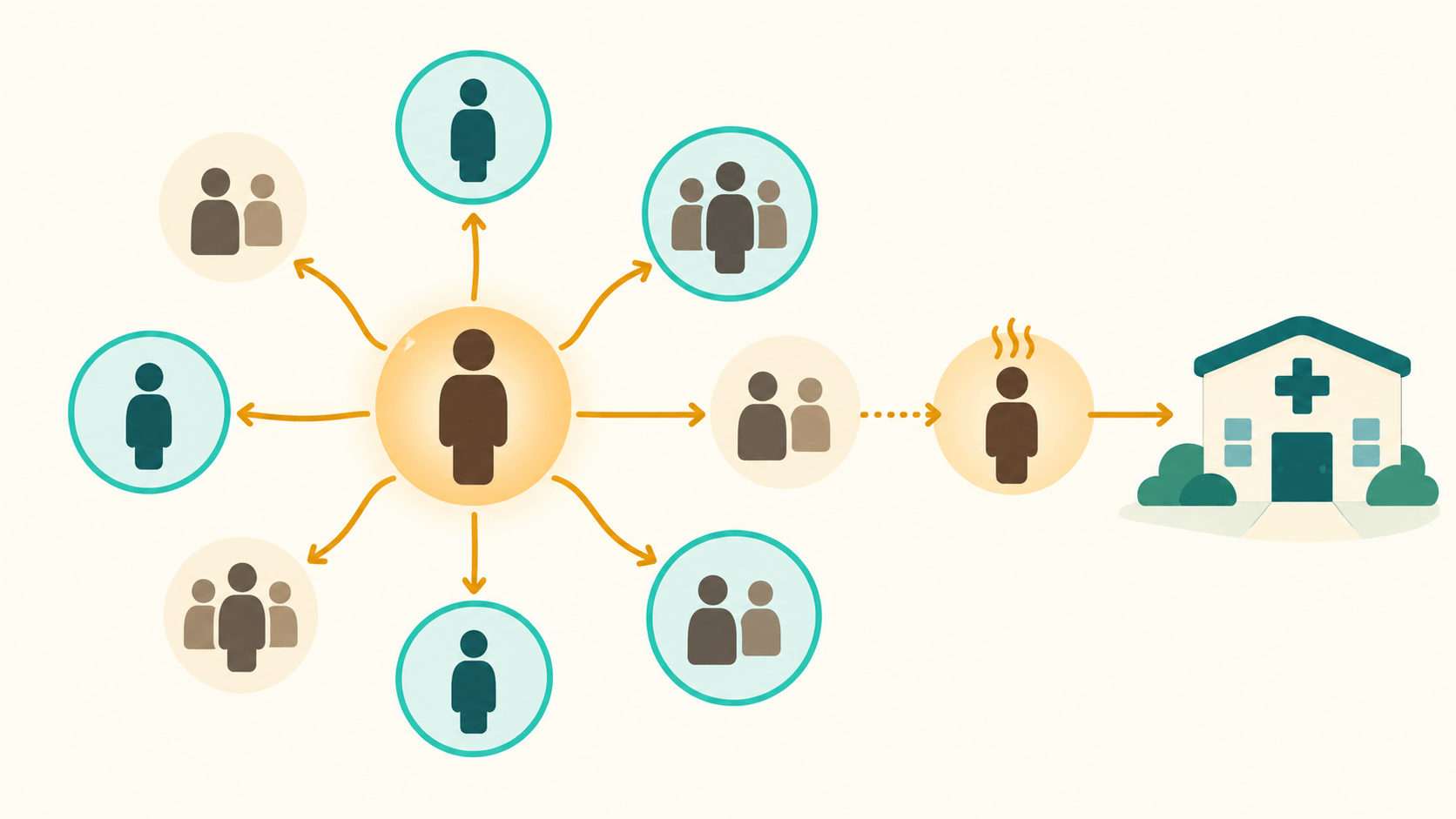
The rising contact count is the key detail: it shows why “no active case” and “outbreak over” describe different stages of a response. The patient left Abuja on 26 October, but health authorities still have to track people who may have been exposed and complete the required surveillance period.
Nigeria Ebola monitoring and the 42-day rule
The confirmed case was detected in the Federal Capital Territory on 20 October. NCDC says the 42-year-old woman arrived in Abuja from Uganda on 3 October, developed symptoms on 7 October and was admitted to a private hospital on 11 October. The National Reference Laboratory confirmed Bundibugyo virus disease on 20 October, according to the NCDC situation report.
On 26 October, the patient and her husband were medically evacuated to Switzerland. WHO’s Africa director said Nigeria had no active Ebola case after their departure, while stressing that health officials would keep following contacts. The organisation later clarified that it had not declared Nigeria Ebola-free; the WHO clarification separates the current case count from the formal end of an outbreak.
That distinction matters to families, clinics and travellers. Evacuating a patient transfers her continued treatment abroad, but it cannot establish whether every person exposed before the diagnosis has remained well.
How the contact count changed
NCDC’s figures show the tracing list has grown as investigators gathered more information. The agency reported 53 contacts on 24 October, 54 on 26 October and 62 in its 27 October update. The latest report says eight more people were identified and categorized; its table records zero contacts testing positive.
A larger contact list is not the same as more infections. It means officials have added people whose possible exposure needs assessment. The NCDC says these people may include health workers, patients, caregivers, household members and travel-related contacts, and that the list can change as investigations continue.
Each contact is monitored for 21 days from their last possible exposure, according to the agency’s public guidance. That period follows Ebola’s maximum incubation window: it gives health teams time to spot symptoms and test promptly if someone becomes ill. The NCDC has said being named as a contact does not mean a person has Ebola; it means public health teams need to check their health and exposure history.
The 42-day test for ending an outbreak
WHO’s standard benchmark is 42 days without a new confirmed or probable case after the last potential exposure linked to the final case. Forty-two days is twice the maximum 21-day incubation period. WHO’s outbreak end criteria describe how the countdown is tied to the last case’s final negative tests or, where relevant, safe burial. In Nigeria’s situation, officials have said evacuation is being used in applying the countdown.
Health Minister Muhammad Ali Pate told Channels Television that Nigeria could meet the criteria as early as 7 December if no further confirmed or probable cases emerge. He described that date as provisional, subject to NCDC and WHO validating the countdown; any new case would change the timetable, according to the Channels report.
The 42-day milestone is a surveillance test, not a prediction that a new case will appear. It gives teams time to detect a missed transmission chain before authorities declare the outbreak over. Nigeria’s response is also unfolding alongside Ebola cases elsewhere in the region; Crisp Nigeria’s Kenya quarantine story explains why monitoring exposed contacts remains central to containment.
What we don’t know yet
NCDC’s 27 October summary does not give a location-by-location breakdown for all 62 contacts or say how many have completed their full 21-day follow-up. WHO’s earlier public figure referred to contacts remaining in Nigeria after the evacuation; the newer NCDC total includes additional people identified during continuing investigations. The agencies have not published a reconciliation explaining the different counts.
The latest report also cannot establish that every exposure chain has been found. That is why health authorities continue contact tracing, respond to alerts and ask anyone contacted by a public health official to cooperate and provide accurate information. The next useful marker is NCDC’s daily contact update and whether it reports any new confirmed case before the provisional 7 December date.