

Digital payments are booming—but so is financial fraud. How consumers can stay ahead

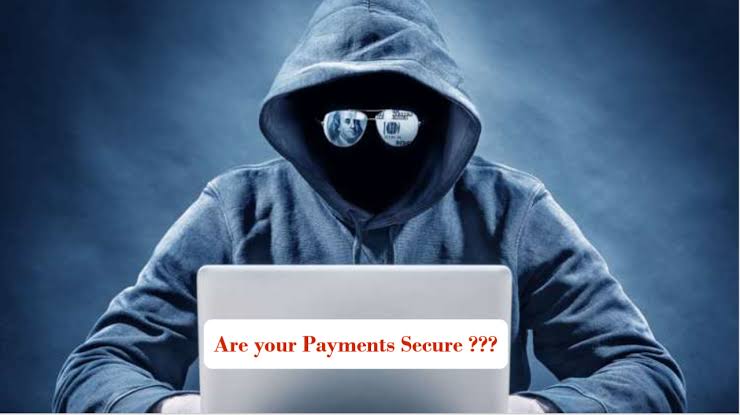
Digital payments have transformed everyday life. From mobile wallets and banking apps to contactless cards and instant transfers, consumers can now send and receive money within seconds.
Businesses benefit from faster transactions, while customers enjoy convenience that was once impossible.
But the same speed and accessibility driving the digital payments revolution are also creating new opportunities for fraudsters.
Financial scams are becoming more sophisticated, combining social engineering, stolen personal information, fake websites and manipulated payment platforms. In many cases, criminals no longer need to break into a bank account.
They only need to persuade a victim to authorize a payment.
Why Digital Payment Fraud Is Increasing
The growth of digital payments has expanded the number of potential targets. More people now use online banking, payment apps, QR codes and card-not-present transactions. Each platform creates another opportunity for criminals to exploit weak passwords, poor security practices or human error.
Fraudsters are also adapting quickly. They may impersonate bank officials, delivery companies, employers, government agencies or friends. Their messages often create urgency, warning that an account will be closed or a payment must be made immediately.
The pressure is deliberate. When people feel rushed, they are less likely to verify a request.
Common Digital Payment Scams to Watch For:
Phishing and Fake Banking Messages
Phishing scams use emails, text messages or social media posts to direct victims to fraudulent websites. These pages may closely resemble legitimate bank or payment-service websites and are designed to steal login details, card numbers or one-time passwords.
A genuine financial institution will rarely ask customers to share their full password or verification code through a text message.
Authorized Payment Fraud
In an authorized payment scam, the victim personally approves a transfer after being deceived. A criminal may claim to be a bank investigator, romantic partner, relative or company executive.
Because the customer technically approved the transaction, recovering the money can be difficult.
QR Code Scams
QR codes are increasingly used in restaurants, parking facilities, retail stores and online promotions. Criminals can replace legitimate codes with fake ones that send payments to their accounts or lead users to malicious websites.
Consumers should confirm the recipient and transaction amount before approving a QR payment.
Account Takeover
Account takeover occurs when criminals gain access to an online banking or payment account. They may use stolen passwords, leaked personal information or malware.
Once inside, they can transfer funds, add new beneficiaries or change contact details to block fraud alerts.
How to Make Digital Payments Safely
Use Strong, Unique Passwords
Avoid using the same password for banking, email and social media accounts. A password manager can help create and store unique credentials securely.
Enable multi-factor authentication wherever it is available. This provides an additional layer of protection if a password is stolen.
Never Share One-Time Passcodes
One-time passwords and verification codes are designed to confirm a transaction or login. Anyone requesting such a code may be attempting to access an account.
If a caller claims to represent a bank, end the call and contact the institution through its official website or the number printed on a bank card.
Verify Before Sending Money
Before completing a transfer:
– Confirm the recipient’s name and account details.
– Contact the person or business using a trusted number.
– Be cautious of urgent or secret payment requests.
– Check the payment amount before approving.
– Avoid clicking links in unexpected messages.
Keep Devices and Apps Updated
Security updates often fix vulnerabilities that criminals can exploit. Install updates for mobile operating systems, banking applications and browsers as soon as they become available.
Consumers should also avoid banking over unsecured public Wi-Fi networks.
What to Do If You Suspect Fraud
Act quickly. Contact the bank, card provider or payment service immediately and request that the transaction be stopped or investigated. Change passwords and secure any account connected to the payment method.
Victims should preserve messages, receipts, phone numbers, screenshots and account statements. These records may help financial institutions and law enforcement investigate the incident.
Reporting the scam can also warn others and help authorities identify wider criminal networks.
Frequently Asked Questions
What is the safest way to make digital payments?
Use official banking or payment apps, enable multi-factor authentication, verify recipients and avoid sending money after unexpected calls or messages.
Can a bank reverse a fraudulent digital payment?
Sometimes. The outcome depends on the payment method, how quickly the fraud is reported and whether the transaction was unauthorized or approved after deception.
How can I tell if a payment message is fake?
Look for urgency, unusual links, spelling errors, unexpected requests and demands for passwords or verification codes. Contact the organization independently before taking action.
Should I use public Wi-Fi for online banking?
It is safer to avoid public Wi-Fi for financial transactions. Use mobile data or a trusted private network instead.
What should I do if I share my banking password?
Contact your bank immediately, change the password and update it anywhere else it was used. Enable multi-factor authentication and review recent account activity.
Digital payments are not inherently unsafe, but convenience must be matched with caution. The most effective protection is often a simple pause: verify the request, check the recipient and refuse to share security codes.
A payment should never be made under pressure.