

What Does a Local Government Do in Nigeria? Functions Explained

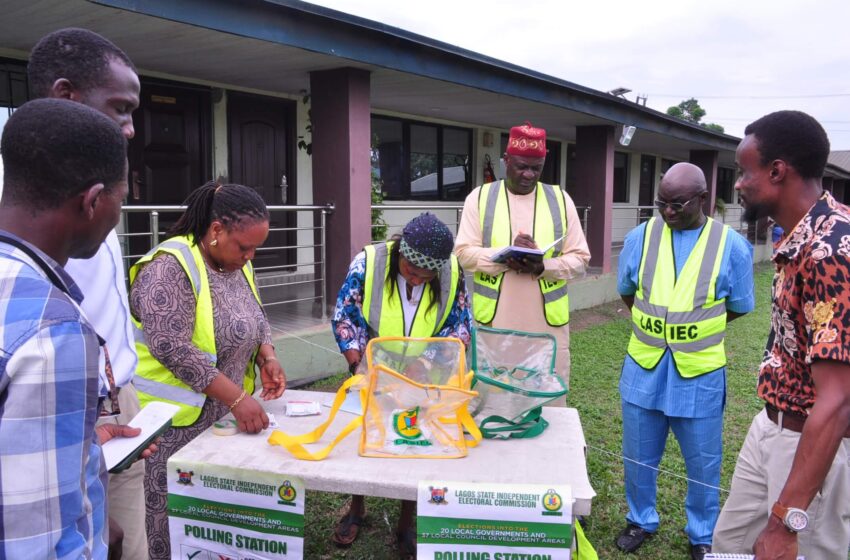
Local government elections in crisis: Why Nigeria’s grassroots democracy is failing. Photo credit: LASIEC
Nigerian local governments are the tier of government closest to residents. The Constitution gives local government councils duties that include local roads and drains, markets, refuse disposal, birth and death registration, and participation in primary education and health services. State laws shape how councils carry out those responsibilities.
Key facts about local government in Nigeria
- Constitutional basis: Section 7 of the Constitution of the Federal Republic of Nigeria 1999 (as amended).
- Main list of duties: Fourth Schedule to the Constitution.
- Local services: Roads, drains, markets, public conveniences, refuse disposal, cemeteries and local records.
- Shared responsibilities: Primary, adult and vocational education; agriculture and natural resources; health services.
- State role: State laws provide the framework for local councils and may assign further duties.
For residents, that constitutional list explains why a council may deal with a market, a neighbourhood road or refuse collection, while a state ministry handles wider systems. The division depends on the subject and the laws in force in each state.
What does Section 7 say about local government?
Section 7(1) of the Constitution requires each state to ensure a system of local government by democratically elected local government councils. State Houses of Assembly make laws that provide for the council’s establishment, structure, composition, finance and functions. The constitutional model therefore combines a nationally recognised tier with state legislation that sets out its practical arrangements.
The Fourth Schedule gives the main list of council functions. It also describes areas where councils participate in state government. The schedule works as a guide to the subjects assigned to local government, while state law supplies additional detail for residents and councils.
The Constitution of Nigeria reproduces Section 7 and the Fourth Schedule. The National Repository also carries a constitutional text with amendments.
Which services do local councils handle?
The Fourth Schedule covers visible services that residents encounter around their homes and businesses. Councils may construct and maintain local roads, streets, street lighting, drains, parks, gardens and open spaces. State law can prescribe further public facilities for councils to manage.
Markets, motor parks, slaughterhouses, slaughter slabs and public conveniences also appear in the schedule.
These responsibilities connect daily commerce with local public health: councils regulate market spaces, provide shared facilities and set local arrangements for the movement of goods and people.
Waste and sanitation form another part of the list. The Constitution assigns councils the provision and maintenance of public conveniences, sewage and refuse disposal. Residents can direct service questions about a neighbourhood collection point, market sanitation or a local drain to the relevant council, then check the state’s laws for the agency responsible for a particular service.
Councils also name roads and streets and number houses. That work supports wayfinding, emergency response, delivery services and the organisation of local records. The Constitution includes the registration of births, deaths and marriages among council functions, giving local administrations a role in recording important life events.
READ ALSO: Local government elections in Nigeria: History, dynamics and challenges
How do local councils support businesses and property owners?
Local councils have licensing and regulatory responsibilities for certain activities. The Fourth Schedule lists bicycles, non-mechanised trucks, canoes, wheelbarrows and carts, along with shops and kiosks, restaurants, bakeries, laundries and liquor sales. State legislation determines the practical rules, fees and administrative process that apply in a given place.
The schedule also allows councils to collect rates and to assess privately owned houses or tenements for rates prescribed by a State House of Assembly. It names outdoor advertising and hoardings among the matters councils control. These provisions connect local administration with public spaces, property and commercial activity.
Some responsibilities sound unfamiliar because the constitutional schedule preserves a broad list of local functions. It names radio and television licences, for example, and licensing of non-mechanised vehicles and watercraft. The text gives the legal headings; state laws determine the rules residents encounter, including a fee, permit or enforcement process.
Residents can confirm a charge or permit with the relevant council and the applicable state law. State legislation sets the fee, application steps and exemption rules. Checking the current rule helps a trader, landlord or resident identify the correct office and understand the requirement before paying.
What role do local governments have in education, agriculture and health?
Local government responsibilities extend beyond roads and sanitation. Under Part II of the Fourth Schedule, councils participate in the provision and maintenance of primary, adult and vocational education. They also participate in developing agriculture and non-mineral natural resources, and in providing and maintaining health services.
The word “participation” matters because these areas involve more than one tier. A state ministry may set broader policy or coordinate a statewide system, while a local council contributes services or facilities within its area. The laws and administrative arrangements in each state explain how the responsibilities are shared.
For a parent asking about a primary school, or a patient seeking information about a local health facility, the council is one useful point of contact. The state ministry or agency responsible for education or health can explain how the wider system is organised. Local arrangements vary, so residents should check the relevant state law and service directory.
The schedule also gives councils a role in local economic planning. Councils may consider and make recommendations to a State Economic Planning Commission or a similar body on development affecting the council area and the state. This creates a route for neighbourhood priorities to inform wider plans.
How does the 2024 Supreme Court ruling relate to councils?
On 11 July 2024, the Supreme Court delivered a judgment on local government financial autonomy in a case brought by the Attorney-General of the Federation against the Attorneys-General of the 36 states. The judgment addressed the flow of Federation Account allocations to local governments and the constitutional status of councils governed by caretaker arrangements. The Supreme Court judgment provides the primary record for the ruling.
The judgment sits alongside Section 7 and the Fourth Schedule: the Constitution outlines the council system and its duties, while the court addressed financial arrangements and elected local administration. Premium Times reported the decision on the day it was delivered.
READ ALSO: Nigeria: Calls for Local government autonomy and unending question of interest
Who decides which local services a council provides?
The Constitution sets out the main areas, and state Houses of Assembly enact laws on local government administration. A state law may assign additional duties, establish how a council operates and define how services are delivered. Councils then carry out their responsibilities under that legal and administrative framework.
This is why council services can look different across Nigeria. A state’s local government law, public health rules, revenue laws and administrative arrangements shape the local details. Residents can consult their council and state gazette for current procedures, charges and service contacts.
When a service question crosses tiers, residents can start with the office that handles the local facility and ask which state agency sets the standard or provides support. This approach helps identify the responsible institution for a school, clinic, market, drainage project or road. A state’s published laws and official service directories provide the clearest local instructions.
Local government in Nigeria: frequently asked questions
What are the main functions of local government in Nigeria?
The main functions include local roads and drains, markets, refuse disposal, public conveniences, cemeteries, local licensing and the registration of births, deaths and marriages. Councils also participate in primary, adult and vocational education, agriculture and health services.
Which part of the Constitution lists local government functions?
The Fourth Schedule lists the main functions of a local government council. Section 7 provides for a system of democratically elected local government councils and gives state legislatures a role in their administration.
Are local governments responsible for primary health care?
The Fourth Schedule includes local council participation in the provision and maintenance of health services. State laws and administrative arrangements explain how councils and state agencies share that work in each state.
Can local governments collect taxes and rates?
The Constitution lists the collection of rates and assessment of privately owned houses or tenements for rates prescribed by a State House of Assembly. Specific charges and procedures depend on state legislation.
Who controls local government councils in Nigeria?
The Constitution recognises local councils and requires a system of democratically elected councils. State laws provide for their establishment, structure, composition, finance and functions, within the constitutional framework.
How can residents find the rule for their council?
Start with the council’s official website or office, then check the state law that covers the service. A state gazette or ministry directory can identify the responsible agency and current procedure. The Fourth Schedule provides the national framework; local legislation and official service information explain the steps for a particular council area.
Last reviewed: 2 November 2026