

7 New Consumer Technologies Expected to Go Mainstream Before 2027

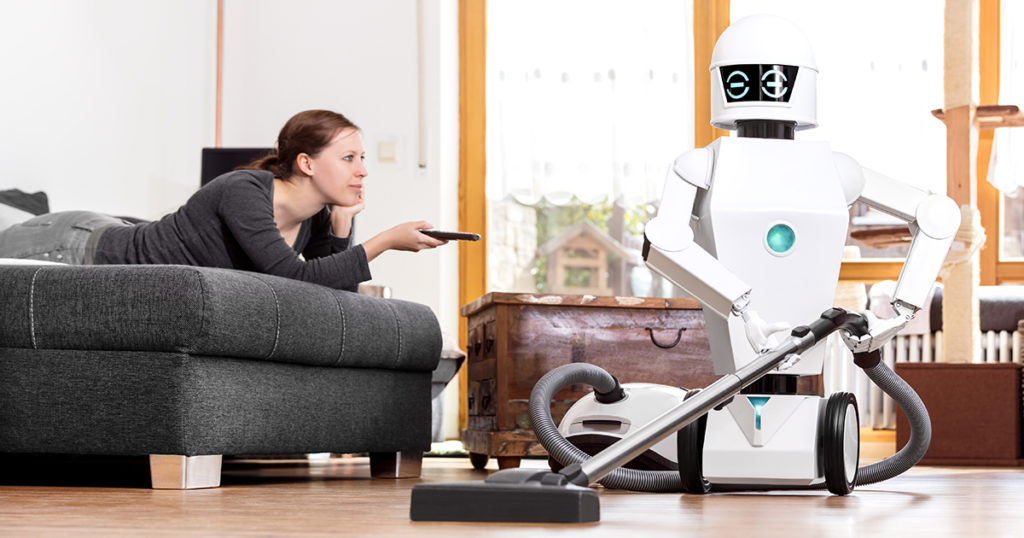
Next-generation consumer technologies including home robots. Image Source: PrimeX
Consumer technology is advancing at a pace that is reshaping how people work, communicate, shop, travel, and manage their daily lives. Artificial intelligence, smarter hardware, and faster connectivity are accelerating innovation beyond smartphones, bringing once-futuristic ideas into homes, offices, and public spaces.
Technology analysts expect several emerging products to become significantly more common before 2027 as prices fall, software improves, and consumer demand grows. Many of these innovations are already available in early forms, while others are approaching wider commercial adoption.
Here are seven new consumer technologies that could become part of everyday life over the next two years.
1. AI-Powered Personal Assistants Will Become Truly Intelligent
Artificial intelligence is rapidly transforming digital assistants into proactive personal companions.
Rather than simply answering questions or setting reminders, next-generation AI assistants are expected to help users organize schedules, summarize emails, book appointments, compare products, manage finances, plan trips, and automate routine digital tasks.
Advances in multimodal AI will allow assistants to understand voice, text, images, documents, and live camera input, making interactions more natural and context-aware.
Businesses are also integrating AI assistants into productivity software, smartphones, vehicles, and home devices.
2. Smart Glasses Could Become Everyday Wearables
After years of experimentation, smart glasses are becoming lighter, more fashionable, and more practical.
New models are expected to offer real-time translation, navigation, messaging, voice control, photography, music playback, and AI-powered visual assistance without requiring users to constantly look at their phones.
As battery life and display technology improve, smart glasses may become one of the fastest-growing categories in consumer electronics.
3. Home Robots Will Handle More Daily Tasks
Robotic vacuum cleaners introduced many households to home automation, but the next generation of domestic robots is expected to perform far more responsibilities.
Future home robots may assist with security monitoring, package delivery, elder care, household organization, lawn maintenance, and even basic kitchen preparation.
Improvements in AI vision systems and robotics are making these machines more capable of safely operating in complex home environments.
4. AI Wearables Will Deliver Smarter Health Monitoring
Health-focused wearable devices are evolving beyond step counting and heart rate tracking.
Future smartwatches, rings, earbuds, and fitness bands are expected to provide deeper insights into sleep quality, stress levels, recovery, hydration, respiratory health, and other wellness indicators.
Many devices are also incorporating AI to generate personalized recommendations based on long-term health trends rather than simply reporting raw data.
Healthcare providers are increasingly exploring wearable technology to support preventive care and remote patient monitoring.
READ ALSO
8 Ways AI Assistants Are Quietly Changing Everyday Life in 2026
7 Ways Technology Is Making Homes More Efficient
5. Smart Homes Will Become More Autonomous
Connected homes are moving toward greater automation.
Instead of requiring users to manually control lighting, appliances, security systems, and climate settings, AI-powered smart homes will increasingly anticipate routines and make adjustments automatically.
Voice assistants, sensors, cameras, and connected devices will work together to improve energy efficiency, convenience, and home security.
Interoperability standards are also making it easier for products from different manufacturers to work seamlessly together.
6. Digital Payments Will Become Faster and More Seamless
Cashless transactions continue expanding worldwide through mobile wallets, contactless cards, QR codes, biometric authentication, and digital identity verification.
Before 2027, consumers are expected to experience even smoother payment systems that reduce checkout times across retail stores, transportation, entertainment venues, and online shopping.
Artificial intelligence will also play a growing role in fraud detection and transaction security, helping protect users while minimizing payment delays.
7. Personalized AI Shopping Will Change Online Retail
Online shopping is becoming increasingly customized through artificial intelligence.
Retail platforms are expected to offer highly personalized recommendations based on browsing history, purchasing behavior, budget preferences, and even lifestyle goals.
Virtual fitting rooms, AI styling assistants, product visualization tools, and conversational shopping assistants could significantly improve online buying experiences while reducing product returns.
Consumers may soon receive shopping suggestions that adapt in real time to changing preferences and seasonal needs.
Why These Technologies Are Approaching Mainstream Adoption
Several factors are driving faster adoption across consumer technology markets.
Artificial intelligence has dramatically improved software capabilities while cloud computing enables more powerful services without requiring expensive hardware.
At the same time, semiconductor advances continue making devices smaller, faster, and more energy-efficient.
Competition among technology companies is also reducing prices, making advanced devices accessible to larger segments of the population.
Growing consumer familiarity with smart devices further accelerates adoption by lowering barriers to entry.
Challenges That Could Slow Adoption
Despite rapid progress, several challenges remain.
Privacy concerns surrounding AI systems and connected devices continue to attract regulatory attention.
Cybersecurity risks, battery limitations, affordability, and data protection remain important issues for manufacturers and consumers alike.
Governments worldwide are also developing new regulations governing artificial intelligence, biometric data, digital identity, and connected devices that may influence how quickly certain technologies reach widespread adoption.
What Consumers Can Expect Before 2027
The next phase of consumer technology will likely focus less on introducing entirely new gadgets and more on making existing devices significantly smarter.
Artificial intelligence is expected to become deeply integrated into everyday electronics, allowing technology to anticipate user needs rather than simply responding to commands.
For consumers, this means more personalized experiences, improved convenience, greater automation, and stronger digital connectivity across work, home, travel, shopping, and healthcare.
While adoption rates will vary by region and income level, many of these innovations are already moving from early adopters to mainstream consumers, setting the stage for a new era of connected living before 2027.
FAQ
What are the biggest consumer technology trends before 2027?
Major trends include AI-powered personal assistants, smart glasses, intelligent wearable devices, home robotics, autonomous smart homes, advanced digital payments, and AI-driven online shopping experiences.
Will AI become part of everyday consumer devices?
Yes. AI is expected to be integrated into smartphones, wearables, vehicles, home appliances, computers, and consumer electronics to provide more personalized and automated experiences.
What are AI wearables?
AI wearables are smart devices such as watches, rings, earbuds, and fitness trackers that use artificial intelligence to analyze health data, monitor activity, and provide personalized insights and recommendations.
Are smart glasses replacing smartphones?
Not necessarily. Smart glasses are expected to complement smartphones by providing hands-free access to navigation, messaging, translation, photography, and AI assistance, though they are unlikely to fully replace phones in the near future.
What are home robots used for?
Modern home robots can assist with cleaning, home security, lawn care, package monitoring, elder support, and other household tasks. Their capabilities are expected to expand significantly before 2027.
How will AI change online shopping?
AI will personalize product recommendations, improve search results, power virtual fitting rooms, provide shopping assistants, and help customers compare products based on preferences and budgets.
Will smart homes become more common?
Yes. Smart homes are expected to become more mainstream as connected devices become easier to install, more affordable, and compatible across different brands.
How will digital payments evolve?
Digital payments are likely to become faster, more secure, and more convenient through biometric authentication, AI-powered fraud detection, contactless technologies, and seamless mobile payment systems.
What challenges could slow consumer technology adoption?
Privacy concerns, cybersecurity risks, regulatory changes, affordability, device compatibility, battery performance, and internet connectivity may affect the pace of adoption.
Should consumers buy emerging technologies now or wait?
Early adopters may benefit from new features but could face higher costs and occasional software limitations. Waiting may provide access to more mature products with improved performance and lower prices.
Will AI replace traditional apps?
Rather than replacing apps entirely, AI is expected to enhance them by making interactions more conversational, personalized, and capable of handling complex tasks with fewer user inputs.
Which industries will benefit most from these technologies?
Healthcare, retail, finance, transportation, education, manufacturing, hospitality, and home automation are among the sectors expected to benefit significantly from widespread consumer technology adoption before 2027.