

7 Ways Technology Is Making Homes More Efficient

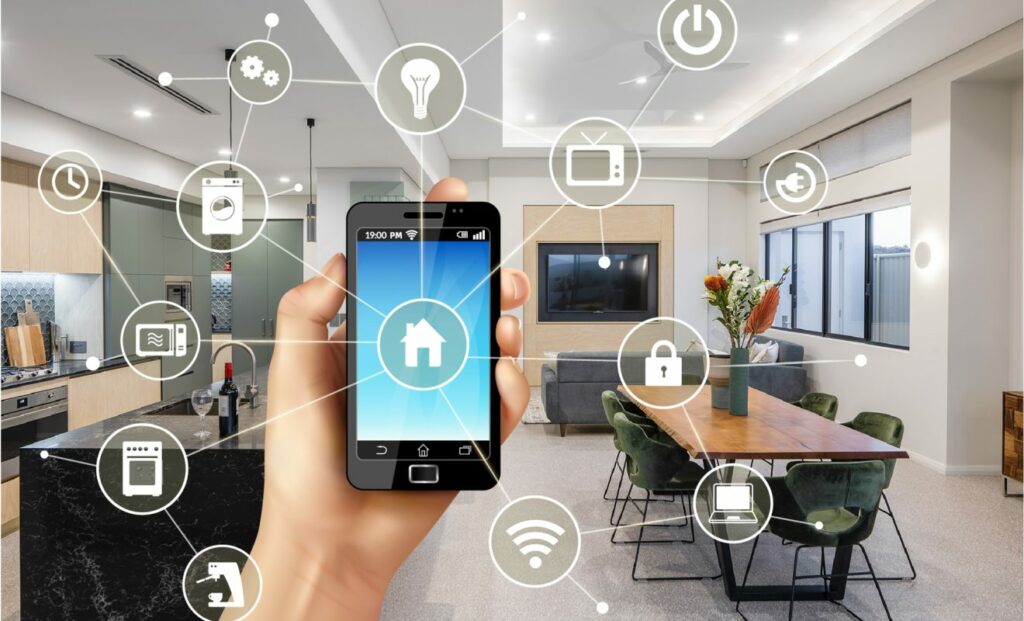
Smart ways technology is making homes more efficient
Technology is rapidly transforming the way people live, with modern homes becoming increasingly connected, intelligent, and energy-efficient. What was once considered futuristic, lights controlled by smartphones, appliances that monitor energy usage, and security systems powered by artificial intelligence, is now becoming part of everyday life.
As rising energy costs and sustainability concerns influence household decisions, homeowners are increasingly turning to technology to improve convenience, reduce expenses, and create more efficient living environments.
Here are seven major ways technology is reshaping homes and improving efficiency.
1. Smart Thermostats Are Reducing Energy Consumption
Heating and cooling systems account for a significant portion of household energy use.
Smart thermostats can automatically adjust temperatures based on occupancy patterns, weather conditions, and user preferences. These devices learn household routines over time and help avoid unnecessary energy consumption.
Many systems also allow homeowners to control temperatures remotely through mobile applications, ensuring energy is used only when needed.
By optimizing heating and cooling schedules, smart thermostats can contribute to lower utility bills and improved energy efficiency.
2. Smart Lighting Systems Improve Convenience and Savings
Traditional lighting systems often waste electricity when lights are left on unnecessarily.
Smart lighting technologies address this issue by allowing users to automate lighting schedules, dim brightness levels, and control lights remotely.
Motion sensors and occupancy detection systems can automatically switch lights off when rooms are unoccupied, helping reduce energy consumption.
LED smart bulbs also consume significantly less energy and generally last much longer than conventional lighting options.
3. Connected Appliances Are Making Household Tasks Easier
Modern appliances are becoming increasingly intelligent.
Smart refrigerators can monitor food inventory, washing machines can optimize water and electricity usage, and robotic vacuum cleaners can automate routine cleaning tasks.
Connected appliances often provide real-time performance data, maintenance alerts, and remote control features through smartphone applications.
These innovations not only improve convenience but also help households use resources more efficiently.
4. Home Energy Monitoring Systems Are Encouraging Smarter Consumption
One of the biggest challenges homeowners face is understanding where energy is being used.
Home energy monitoring systems provide detailed information about electricity consumption patterns, helping residents identify inefficient devices and make informed decisions.
Real-time tracking allows users to adjust usage habits and reduce unnecessary power consumption.
Greater visibility into household energy patterns can contribute significantly to long-term savings and sustainability goals.
READ ALSO
9 Smart Uses of AI Beyond Content Creation
6 Tech Trends That Could Influence Your Career in 2026
5. Smart Security Systems Enhance Safety and Efficiency
Home security technology has evolved considerably in recent years.
Modern security systems now integrate smart cameras, video doorbells, motion detectors, and automated locks that can be monitored remotely.
Artificial intelligence is increasingly being used to distinguish between normal activity and potential threats, reducing false alarms and improving response times.
Remote access features also allow homeowners to manage security systems from virtually anywhere, adding both convenience and peace of mind.
6. Water Management Technologies Are Reducing Waste
Water conservation is becoming an increasingly important aspect of home efficiency.
Smart irrigation systems can automatically adjust watering schedules based on weather forecasts and soil conditions, helping reduce unnecessary water usage.
Leak detection systems can identify plumbing issues early, preventing costly damage and reducing water waste.
As concerns over environmental sustainability continue to grow, water-saving technologies are becoming valuable additions to modern homes.
7. Artificial Intelligence Is Personalizing Home Automation
Artificial intelligence is increasingly serving as the central component of smart home ecosystems.
AI-powered assistants can coordinate multiple connected devices, automate daily routines, and learn user preferences over time.
Voice-controlled systems can manage lighting, entertainment, security, temperature, and household schedules through simple commands.
As AI technologies continue to advance, homes are becoming more responsive, adaptive, and efficient.
The Growing Future of Smart Living
Industry experts believe smart home technologies will continue expanding as consumers seek greater convenience, cost savings, and environmental sustainability.
The integration of the Internet of Things (IoT), artificial intelligence, renewable energy systems, and advanced automation tools is expected to redefine residential living in the coming years.
Although adoption rates vary by region and income levels, technological innovations are becoming increasingly accessible to a broader range of households.
For many homeowners, the appeal lies not only in convenience but also in the potential for lower utility costs, improved security, and more sustainable living practices.
As technology continues to evolve, efficient homes may increasingly become the standard rather than the exception.
FAQ
What is a smart home?
A smart home uses connected devices and automation technologies to manage systems such as lighting, heating, security, and appliances through internet-enabled controls.
How does technology make homes more efficient?
Technology improves efficiency by reducing energy waste, automating routine tasks, enhancing resource management, and providing real-time monitoring of household systems.
Which smart home devices save the most energy?
Smart thermostats, LED lighting systems, energy monitoring devices, and smart plugs are among the technologies that can significantly reduce household energy consumption.
Are smart homes expensive to set up?
Costs vary depending on the devices and systems chosen. However, many homeowners view smart technologies as long-term investments because of potential energy savings and increased convenience.
How do smart thermostats work?
Smart thermostats monitor occupancy patterns and temperature preferences to automatically adjust heating and cooling systems for greater efficiency.
Can smart home technology lower electricity bills?
Yes. By optimizing energy usage and reducing unnecessary consumption, many smart devices can contribute to lower utility costs.
What role does artificial intelligence play in smart homes?
AI helps automate household routines, learn user preferences, improve security systems, and coordinate multiple connected devices more effectively.
Are smart homes secure?
Modern smart home systems often include advanced encryption and security measures, but homeowners should still follow cybersecurity best practices, such as using strong passwords and updating software regularly.
How does home automation improve daily life?
Automation can simplify routine activities by controlling lighting, appliances, security, and climate systems automatically or through voice commands and mobile applications.
What is the Internet of Things (IoT) in smart homes?
The Internet of Things refers to connected devices that communicate with each other and exchange data to improve functionality and efficiency.
Can smart homes help the environment?
Yes. Many smart technologies reduce energy and water consumption, contributing to lower environmental impact and more sustainable living practices.
What is the future of smart home technology?
Experts expect future developments to include more advanced AI integration, improved energy management systems, greater device interoperability, and increased adoption of renewable energy technologies within homes.