

8 Ways AI Assistants Are Quietly Changing Everyday Life in 2026

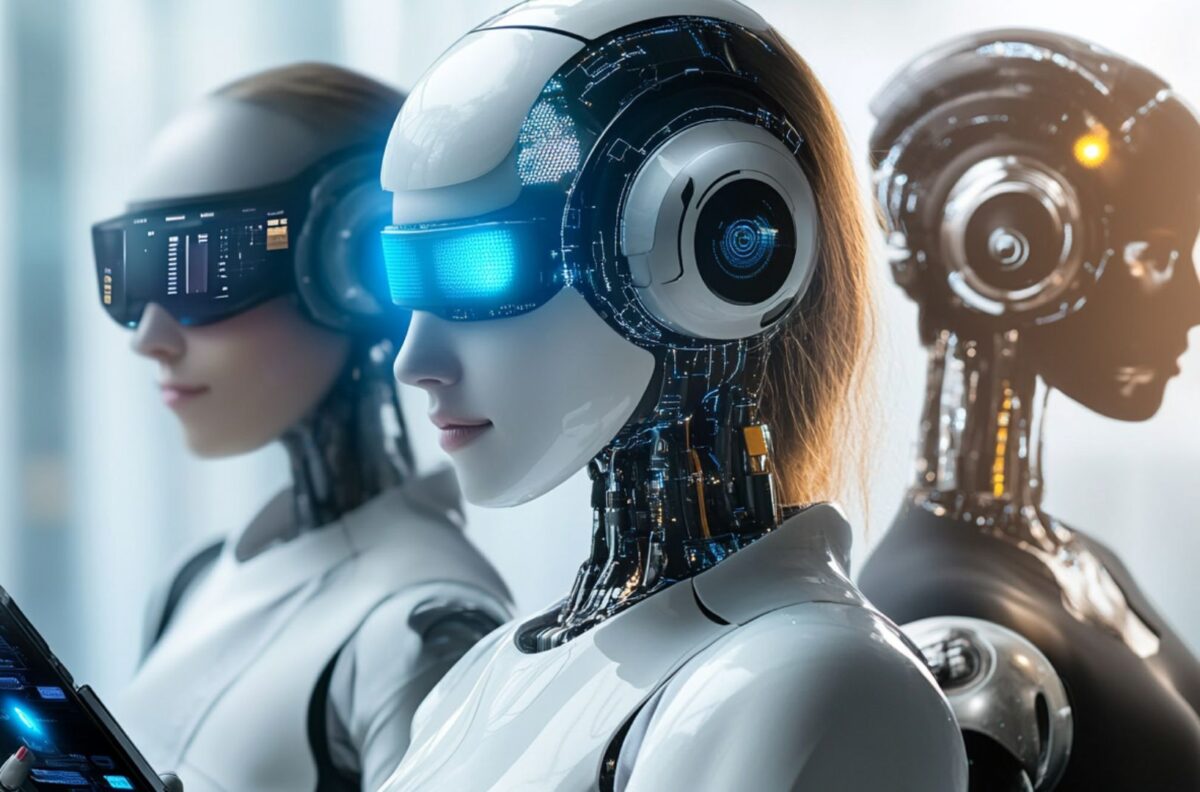
AI assistants are becoming deeply integrated into everyday routines
Artificial intelligence is no longer confined to tech companies and research laboratories. In 2026, AI assistants have become deeply embedded in everyday life, quietly influencing how people work, shop, learn and manage their daily routines.
From scheduling appointments to offering personalized health recommendations, AI-powered assistants are increasingly acting as digital companions. Their growing capabilities are reshaping industries and consumer habits at an unprecedented pace.
Technology experts say the integration of AI into ordinary activities represents one of the most significant lifestyle shifts of the decade.
1. AI Is Becoming a Personal Productivity Manager
Millions of people now rely on AI assistants to organize their schedules, summarize emails and manage tasks.
Modern AI systems can prioritize meetings, generate reminders and even suggest optimal times for completing assignments based on personal habits. This has significantly reduced administrative workloads for both professionals and students.
Businesses are increasingly encouraging employees to use AI tools to improve efficiency and reduce repetitive work.
2. Shopping Recommendations Are Becoming Highly Personalized
AI assistants are transforming online shopping experiences by analyzing preferences, spending habits and browsing behavior.
Instead of manually searching through thousands of products, consumers are increasingly receiving tailored recommendations for clothing, gadgets, travel deals and household essentials.
Retail experts believe AI-driven personalization is rapidly becoming a major driver of consumer spending.
3. AI Is Revolutionizing Education and Learning
Students and professionals now use AI assistants as learning companions.
These systems can explain complex concepts, create study guides, generate quizzes and provide personalized tutoring experiences. Language learning, coding education and professional training have particularly benefited from AI integration.
The accessibility of AI-powered educational tools is helping to bridge learning gaps globally.
4. Healthcare Guidance Is Becoming More Accessible
AI assistants are increasingly helping users monitor wellness and understand medical information.
While they do not replace healthcare professionals, AI systems can remind individuals to take medications, track fitness goals and help interpret basic health data.
Healthcare providers are also exploring AI tools to streamline patient communication and administrative tasks.
READ ALSO
6 Tech Trends That Could Influence Your Career in 2026
7 Ways Technology Is Making Homes More Efficient
5. Personal Finance Management Is Being Simplified
Budgeting and financial planning are becoming easier through AI-powered assistants.
These systems can monitor spending patterns, identify unnecessary expenses and suggest savings strategies. Some users now depend on AI to manage subscriptions, set financial goals and receive investment education.
As economic uncertainty persists in many regions, demand for AI-based financial assistance continues to grow.
6. Smart Homes Are Becoming More Intelligent
AI assistants increasingly serve as the central control systems for connected homes.
They can regulate lighting, optimize energy consumption, manage security systems and automate household routines based on user behavior.
Experts predict that future smart homes will become even more autonomous as AI capabilities expand.
7. Workplace Collaboration Is Rapidly Changing
AI tools are fundamentally altering how teams communicate and collaborate.
Meeting summaries, document drafting, data analysis and project management tasks are increasingly being handled with AI assistance.
Many organizations view AI not as a replacement for workers but as a productivity partner that allows employees to focus on more strategic responsibilities.
8. AI Is Influencing Daily Decision-Making
One of the most subtle changes is the growing reliance on AI recommendations in everyday decisions.
People increasingly ask AI assistants for advice on travel planning, meal ideas, career options and even relationship communication.
This expanding role highlights how artificial intelligence is evolving from a simple tool into an active participant in daily life.
The Growing Impact of AI in 2026
The widespread adoption of AI assistants reflects a broader shift toward digital convenience and automation.
Advancements in natural language processing and generative AI technologies have made interactions with AI systems more intuitive and useful than ever before.
At the same time, concerns surrounding privacy, misinformation and overreliance on technology continue to shape public discussions about the future of AI.
Despite these challenges, analysts believe AI assistants will become even more integrated into society over the coming years.
The technology that once seemed futuristic is increasingly becoming an ordinary part of modern life, quietly influencing how people live, work and interact with the world around them.
FAQ
What are AI assistants used for in 2026?
AI assistants are commonly used for productivity management, education, financial planning, shopping recommendations, healthcare guidance and smart home automation.
How are AI assistants changing everyday life?
AI assistants help people save time, automate repetitive tasks, make informed decisions and improve access to information and services.
Are AI assistants replacing human jobs?
AI is automating certain routine tasks, but many experts believe it will primarily transform jobs rather than completely replace workers, creating new roles alongside technological changes.
What industries are being affected most by AI assistants?
Education, healthcare, finance, retail, customer service and workplace productivity are among the industries experiencing significant AI-driven changes.
Can AI assistants help with personal finance?
Yes. Many AI tools can track spending, create budgets, identify savings opportunities and provide financial education.
How is AI being used in education?
AI assists students through personalized tutoring, study guides, language learning support, coding assistance and adaptive educational experiences.
Are AI assistants safe to use?
Most AI assistants are generally safe, but users should remain mindful of privacy concerns, data sharing practices and the possibility of inaccurate information.
Will AI assistants become more advanced in the future?
Experts expect AI assistants to become more personalized, proactive and capable of handling increasingly complex tasks over the next decade.
How do AI assistants help businesses?
Businesses use AI to automate administrative tasks, improve customer support, analyze data and enhance employee productivity.
What are the risks of relying too much on AI assistants?
Potential risks include privacy concerns, misinformation, overdependence on technology and reduced human oversight in important decisions.
Can AI assistants think like humans?
No. AI assistants can simulate conversation and analyze data effectively, but they do not possess human consciousness, emotions or independent reasoning.
What is the future of AI assistants?
The future likely involves AI becoming deeply integrated into everyday life through wearable devices, smart homes, personalized services and workplace systems, making digital assistance increasingly seamless and accessible.