

When Schools Become Targets

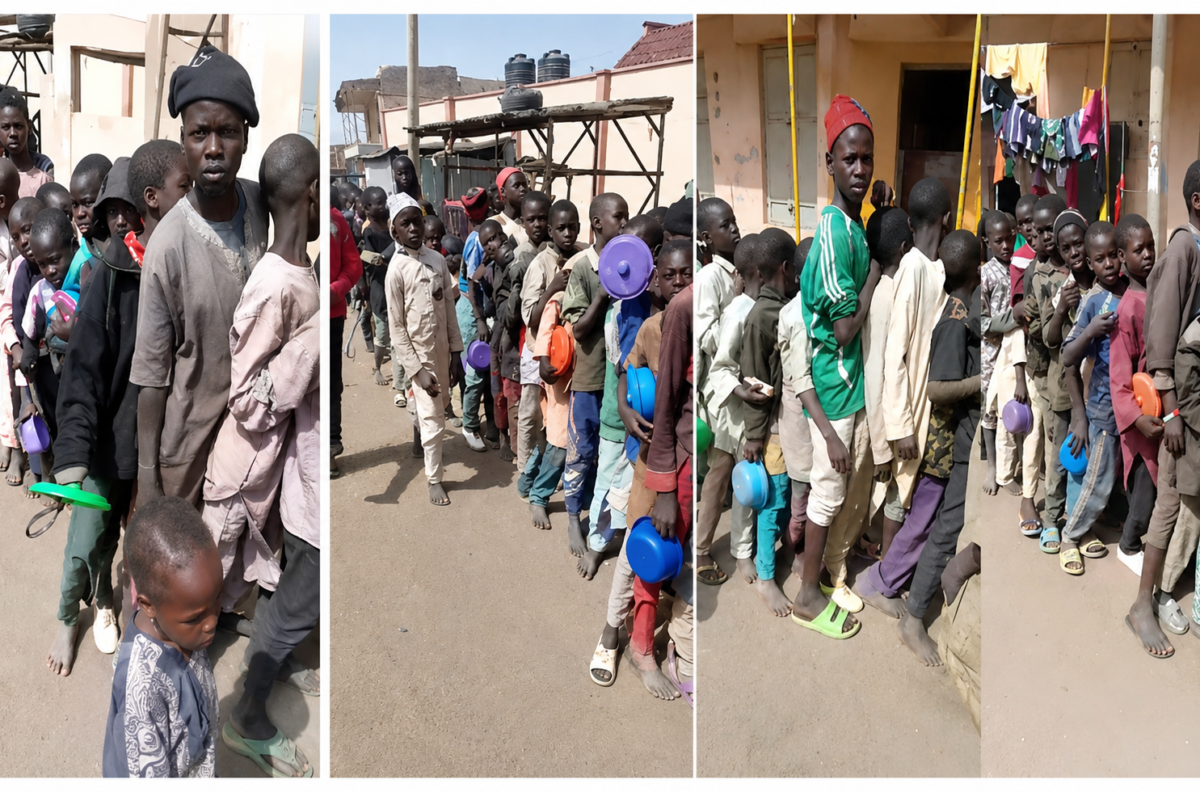
Photo Credit: Premium Times
By Kenechukwu Onah
The night of April 14, 2014 remains one of the darkest moments in Nigeria’s history.
Armed Boko Haram terrorists stormed the Government Girls Secondary School in Chibok, Borno State, and abducted 276 schoolgirls. The attack shocked the country and drew international attention under the Bring Back Our Girls campaign. More than a decade later, over 70 of the girls are still missing. In the aftermath of the attack, many schools in the area remained closed for an extended period because people were scared of what would happen next.
Nearly four years later, history repeated itself. In February 2018, Boko Haram militants attacked Government Girls Science and Technical College in Dapchi, Yobe State, abducting 110 students. Although negotiations secured the release of 104 of them, the attack marked another turning point. These attacks highlighted how vulnerable schools had become to mass abductions.
What began with Chibok gradually evolved into a disturbing pattern. On June 17, 2026, gunmen invaded schools in Orire Local Government Area of Oyo State, abducting 39 students and teachers. One of the teachers was reportedly beheaded while in captivity. The remaining victims regained their freedom only after spending 52 days in captivity.
The attacks are no longer isolated incidents. Data compiled by the Armed Conflict Location and Event Data Project (ACLED) and published by BusinessDay Newspaper shows that between 2014 and 2026, Nigeria recorded 26 major attacks on schools across 13 states, with 2,416 students abducted. While many have regained their freedom, others remain in captivity, leaving parents, teachers and students wondering which school could become the next target.
Beyond the immediate trauma, the attacks are quietly reshaping Nigeria’s education system.
In a November 2025 report, Amnesty International revealed that following the abduction of more than 300 students from a Catholic school in Niger State, no fewer than 20,468 schools across seven states had been closed indefinitely because of insecurity. Every closure represents thousands of children whose education has been interrupted, sometimes permanently.
The numbers behind Nigeria’s education crisis are already alarming. According to UNICEF’s 2024 data, about 10.2 million Nigerian children of primary school age are out of school, while another 8.1 million at the junior secondary level are also absent from classrooms. The report noted that 66 per cent of these children are concentrated in the North-West and North-East – the same regions that have experienced the highest number of school attacks and abductions.
Yet insecurity does not operate in isolation. Poverty makes it much harder for children forced out of school by violence to return. According to the National Bureau of Statistics’ 2022 Multidimensional Poverty Index, about 133 million Nigerians live in multidimensional poverty. For many families already struggling to afford education, a school attack can become the final push that keeps a child permanently out of the classroom.
There is also growing concern that the tactics of criminal groups are becoming more organised. Today, armed groups launch attacks at night and in broad daylight, sometimes issue warnings before striking, and have even used social media to display ransom proceeds or spread propaganda. Their growing confidence raises troubling questions about the effectiveness of Nigeria’s security response and the safety of children in schools.
While the full impact on Nigeria’s out-of-school population is still unfolding, every attack deepens fear among parents and communities. Every school that closes keeps more children away from classrooms. Unless insecurity and poverty are confronted with sustained and coordinated action, Nigeria risks producing a generation denied not only education but also the opportunities that come with it.
The long-term consequences extend far beyond education. A study by Charity N. Oko, Emenike John, Amina Doma, and Mary Akinsola found that rising out-of-school rates can lead to future manpower shortages, increased child labour, higher rates of teenage pregnancy and early marriage, weaker child development, and greater exposure of children to crime, violence, and exploitation which poses a grave threat to Nigeria’s sustainable development.