

Trump declares Iran ceasefire over as US strikes 90 targets, oil markets and Middle East tensions explode

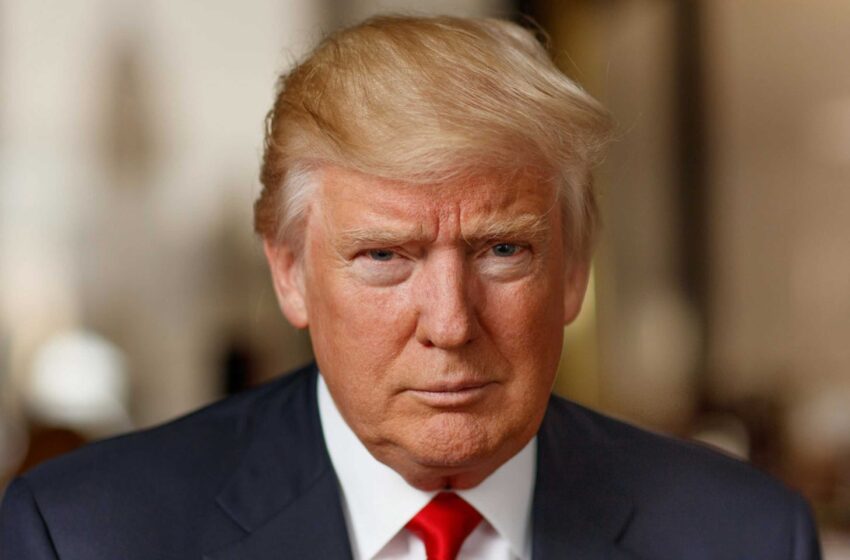
Donald Trump. Picture: David Hume Kennerly/Getty Images
The fragile peace between the United States and Iran has dramatically collapsed after President Donald Trump declared the ceasefire “over” and authorized a fresh wave of military strikes against Iranian targets.
The renewed conflict has sent shockwaves across global markets, reignited fears of a wider regional war, and placed the strategic Strait of Hormuz, one of the world’s most important energy corridors, at the center of international attention.
According to U.S. Central Command (CENTCOM), American forces struck around 90 Iranian military targets, following approximately 80 targets hit a day earlier. The operation was described as an effort to weaken Iran’s capability to threaten commercial shipping and regional security.
US Airstrikes Target Iranian Military Infrastructure
The latest military campaign focused on installations linked to Iran’s Islamic Revolutionary Guard Corps (IRGC), particularly facilities believed to be involved in attacks against commercial vessels transiting the Strait of Hormuz.
President Trump defended the operation, warning Tehran against further aggression.
“Every time they hit us, we’ll hit them twenty,” Trump reportedly told reporters aboard Air Force One.
The strikes come just weeks after both countries agreed to an interim peace framework intended to create a 60-day negotiation window over outstanding disputes, including sanctions relief and maritime security.
However, attacks on commercial shipping and continued tensions surrounding the Strait of Hormuz have effectively derailed diplomatic progress.
Iran Threatens Retaliation as Regional Tensions Intensify
Iran responded by launching missiles and drones toward U.S.-allied positions in the Gulf region. Reports indicate that Bahrain, Kuwait, Qatar, and Jordan activated defensive measures, with several projectiles intercepted.
Iranian officials warned that continued American military actions could lead to “grave consequences.”
The Islamic Revolutionary Guard Corps also criticised U.S. involvement in managing shipping routes through the Strait of Hormuz, arguing that foreign intervention threatens regional stability.
Meanwhile, Gulf Cooperation Council (GCC) states strongly condemned attacks on commercial vessels, describing them as a direct threat to international security and global energy supplies.
Khamenei Funeral Becomes Symbol of Defiance
The conflict has unfolded alongside funeral ceremonies for former Iranian Supreme Leader Ayatollah Ali Khamenei.
Large crowds gathered in Mashhad, where mourners carried banners calling for revenge against the United States and President Trump.
The funeral procession has become a major political event, with Iranian authorities attempting to project national unity despite ongoing military pressure and uncertainty surrounding the country’s leadership transition.
Mojtaba Khamenei, the late leader’s son and successor, has remained largely out of public view, further fueling speculation about internal dynamics within Iran’s leadership structure.
READ ALSO
Trump declares Iran ceasefire ‘over’ as U.S. threatens fresh strikes, oil prices surge worldwide
Trump orders immediate US trade halt with Spain over NATO dispute and Iran tensions
Oil Markets React as Strait of Hormuz Faces Renewed Threats
The renewed fighting has triggered concerns across global energy markets.
The Strait of Hormuz handles roughly 20 percent of global oil supplies, making any disruption a significant risk to international energy security.
Although oil prices initially surged, traders later adopted a cautious stance amid uncertainty about whether the conflict would escalate further.
Brent crude hovered near $77 per barrel, while U.S. crude traded around $72–73.
Commercial shipping through the waterway has slowed considerably, with several vessels reportedly turning off transponders due to security concerns.
U.S. officials stated that American forces have helped facilitate the movement of more than 800 commercial vessels and approximately 380 million barrels of crude oil through the Strait since early May.
Israel Warns Conflict Is Far From Over
Israeli Prime Minister Benjamin Netanyahu also issued a stark warning, declaring that the conflict with Iran is “not yet over.”
Netanyahu reiterated Israel’s long-standing position that Iran must never acquire nuclear weapons, with or without a diplomatic agreement.
His comments have increased concerns that the crisis could expand into a broader regional confrontation involving multiple countries.
Diplomatic Efforts Face Growing Uncertainty
Despite the military escalation, regional powers including Qatar, Oman, Turkey, and Iraq continue diplomatic engagements aimed at preventing a full-scale war.
However, renewed airstrikes and Iranian retaliation have significantly weakened hopes for immediate negotiations.
Analysts warn that any prolonged disruption in the Strait of Hormuz could affect global inflation, fuel prices, and economic stability worldwide.
As military operations continue, the international community remains on high alert over the possibility of another major conflict in the Middle East.
FAQ
Why did Trump declare the Iran ceasefire over?
President Trump accused Iran of violating the ceasefire agreement through attacks on commercial shipping and escalating military activities in the Gulf region.
How many targets did the US strike in Iran?
According to CENTCOM, U.S. forces struck approximately 90 Iranian military targets in the latest operation, following around 80 targets hit previously.
Is the United States officially at war with Iran?
As of now, neither country has formally declared war. However, ongoing military exchanges have significantly increased fears of a broader conflict.
Why is the Strait of Hormuz important?
The Strait of Hormuz is one of the world’s most critical oil transit routes, carrying nearly one-fifth of global oil supplies. Any disruption can significantly impact global fuel prices and energy markets.
How has Iran responded to the US strikes?
Iran reportedly launched missiles and drones toward U.S.-allied locations and warned of further retaliation if attacks continue.
Will oil prices increase because of the conflict?
Analysts believe prolonged instability in the Strait of Hormuz could cause significant increases in oil and gas prices globally.
What role is Israel playing in the crisis?
Israel has strongly supported efforts to prevent Iran from developing nuclear capabilities and has warned that the conflict is not yet over.
Are diplomatic talks between the US and Iran still ongoing?
Diplomatic contacts have not completely ended, but negotiations have been severely disrupted due to renewed military actions.
Could this conflict lead to a wider Middle East war?
Security experts warn that continued escalation could draw additional regional actors into the conflict, increasing the risk of a broader war.
How could this affect ordinary people around the world?
Potential impacts include higher fuel prices, increased shipping costs, market volatility, and disruptions to global trade and economic stability.