

Trump orders immediate US trade halt with Spain over NATO dispute and Iran tensions

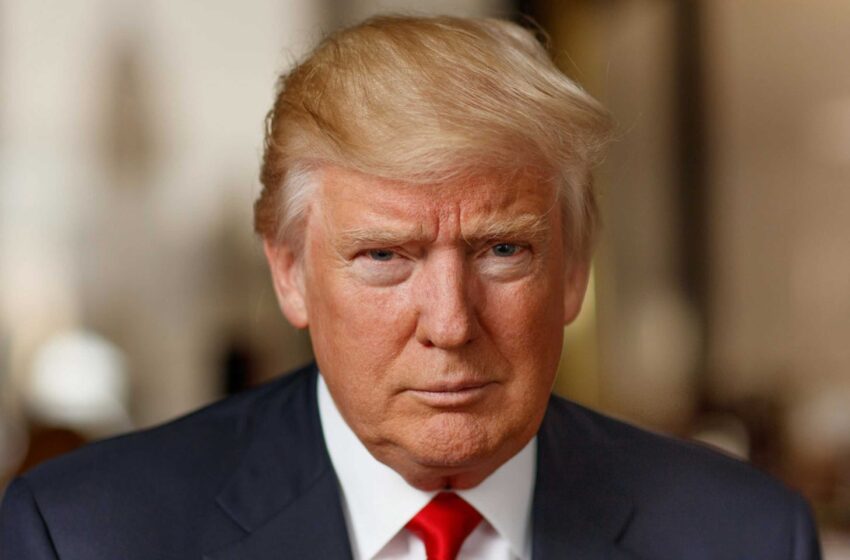
Donald Trump. Picture: David Hume Kennerly/Getty Images
U.S. President Donald Trump has dramatically escalated tensions with Spain by ordering an immediate halt to trade with the NATO ally, citing disagreements over defense spending and Spain’s stance on the Iran conflict. The announcement, made during the NATO summit in Ankara, Turkey, has sparked renewed concerns about transatlantic relations, international trade, and the future of cooperation within the military alliance.
The directive marks the second time Trump has threatened to cut commercial ties with Spain. A similar warning issued earlier this year did not lead to any significant disruption in bilateral trade. However, the latest statement has drawn greater attention because it comes amid heightened geopolitical tensions involving Iran and renewed pressure on NATO members to increase defense spending.
Trump Orders Immediate Halt to US Trade With Spain
Speaking alongside NATO Secretary General Mark Rutte, Trump sharply criticised Spain’s contribution to the alliance, arguing that Madrid has failed to meet its defense commitments.
Calling Spain “a terrible partner in NATO,” Trump instructed Treasury Secretary Scott Bessent to halt all trade with the country immediately.
“I don’t want to do any trade with them,” Trump said during the summit. “Don’t even talk to them. They’re hopeless.”
The president also urged that visits involving Spain be suspended, reinforcing his administration’s increasingly confrontational approach toward allies that fall short of Washington’s defense expectations.
Trump has repeatedly argued that NATO members should contribute significantly more toward collective security. Spain remains the only alliance member that has not committed to spending 5% of its gross domestic product on defense by 2035.
NATO Spending Dispute Remains at the Center of the Conflict
The trade dispute is closely linked to long-running disagreements over NATO defense spending.
Spain increased military expenditure from roughly 1.4% of GDP in 2021 to approximately 2.1% in 2025. Although that represents notable growth, it remains well below the alliance’s newly proposed target.
During the joint appearance, NATO Secretary General Mark Rutte acknowledged Spain’s increased investment but admitted that “there are still issues we have to solve.”
Trump has maintained that countries benefiting from NATO’s security umbrella should contribute substantially more, warning that economic consequences could follow for nations he believes are not carrying their fair share.
Iran Policy Adds Another Layer to US-Spain Tensions
Relations between Washington and Madrid have also been strained by differences over the conflict involving Iran.
According to Reuters, Trump has expressed frustration that Spanish Prime Minister Pedro Sánchez declined to allow U.S. forces to use Spanish airspace and military bases during operations connected to the Iran conflict.
The president’s latest comments came on the same day he declared that the ceasefire with Iran was effectively over, raising fears of further military escalation across the Middle East.
The combination of security disagreements and defense spending disputes has significantly widened the diplomatic gap between the two allies.
READ ALSO
Trump declares Iran ceasefire ‘over’ as U.S. threatens fresh strikes, oil prices surge worldwide
Spain Responds Calmly to Trump’s Remarks
Despite Trump’s strong language, the Spanish government sought to downplay the situation.
Prime Minister Pedro Sánchez’s office described the comments as “business as usual” and emphasised that relations between Spain and the United States remain strong across defense, trade and investment.
Spanish officials also pointed out that trade policy is governed by the European Union rather than individual member states, meaning the United States cannot simply negotiate separate trade arrangements with Spain outside the EU’s customs framework.
Government officials further noted that Spain actually runs a trade deficit with the United States, arguing that economic ties are largely driven by private businesses rather than direct government action.
Can the US Legally Cut Off Trade With Spain?
Trade experts suggest that implementing Trump’s directive could face major legal and practical obstacles.
Because Spain is part of the European Union’s customs union, any broad trade restrictions would involve complex legal considerations and could trigger disputes under international trade agreements.
Legal analysts have previously indicated that targeting a single EU member would likely require extraordinary executive authority, potentially including a declaration that Spain poses a threat to U.S. national security or foreign policy interests.
That legal threshold may prove difficult to establish if the administration chooses to pursue formal trade restrictions.
Markets React as Investors Watch Developments
Financial markets reacted quickly following Trump’s comments.
Spanish government bond yields climbed as investors assessed the possibility of increased geopolitical risk. Spain’s benchmark IBEX 35 stock index also declined, while broader European markets moved lower.
Investor sentiment was further weakened by Trump’s separate remarks declaring the Iran ceasefire effectively over, which pushed oil prices sharply higher and fueled concerns about global economic stability.
Despite the political uncertainty, major American investors continue expressing confidence in Spain’s economy.
BlackRock recently identified Spain as its preferred equity market due to the country’s relatively strong economic growth compared with many other developed economies. The investment giant currently holds more than €100 billion in Spanish assets across equities, debt and private markets.
What Comes Next?
It remains unclear whether Trump’s directive will translate into immediate policy action.
Earlier this year, a similar order did not disrupt trade between the two countries, suggesting that implementation may be more complicated than the announcement itself.
For now, Spain appears determined to maintain normal diplomatic and commercial relations while emphasising that trade between the United States and EU member states operates under broader European agreements.
With NATO unity already under pressure and tensions in the Middle East continuing to rise, the dispute between Washington and Madrid is likely to remain a closely watched international development.
FAQ
Why did Trump order a halt to US trade with Spain?
Trump said Spain has failed to contribute enough to NATO’s defense spending and criticized its position regarding U.S. military operations linked to Iran. He directed his Treasury Secretary to halt trade with Spain during the NATO summit.
Has the United States officially stopped trading with Spain?
Trump announced the directive publicly, but it remains unclear how or when it will be implemented. Similar threats earlier in 2026 did not result in an actual suspension of trade.
Why is Spain being criticized over NATO spending?
Spain is the only NATO member that has not committed to spending 5% of its GDP on defense by 2035. Although it has increased defense spending in recent years, it remains below the alliance’s proposed target.
Can the US legally cut off trade with Spain?
Legal experts say it would be difficult because Spain is part of the European Union’s customs union. Broad restrictions would likely require additional legal authority and could face international trade challenges.
How did Spain respond to Trump’s comments?
Spain’s government described Trump’s remarks as “business as usual,” emphasizing that relations with the United States remain strong and that trade policy is handled through the European Union.
What role did Iran play in the dispute?
Trump has criticized Spain for refusing to allow the use of its airspace and military bases during operations connected to the Iran conflict, adding another point of tension between the two governments.
How did financial markets react?
Spanish bond yields rose, Spain’s stock market declined, and broader European markets weakened. Oil prices also increased sharply following Trump’s comments on both Spain and Iran.
Could this lead to a wider US-EU trade dispute?
Potentially. Any attempt to restrict trade with Spain could affect relations with the European Union because trade agreements are negotiated collectively rather than by individual member states.
What products does Spain export to the United States?
Spain exports olive oil, wine, automotive parts, chemicals, steel products, machinery and various agricultural goods to the U.S.
Will this affect American consumers?
If trade restrictions are eventually implemented, consumers and businesses could experience higher prices or reduced availability of certain Spanish imports. However, no immediate policy changes have been formally enacted.