

Trump declares Iran ceasefire ‘over’ as U.S. threatens fresh strikes, oil prices surge worldwide

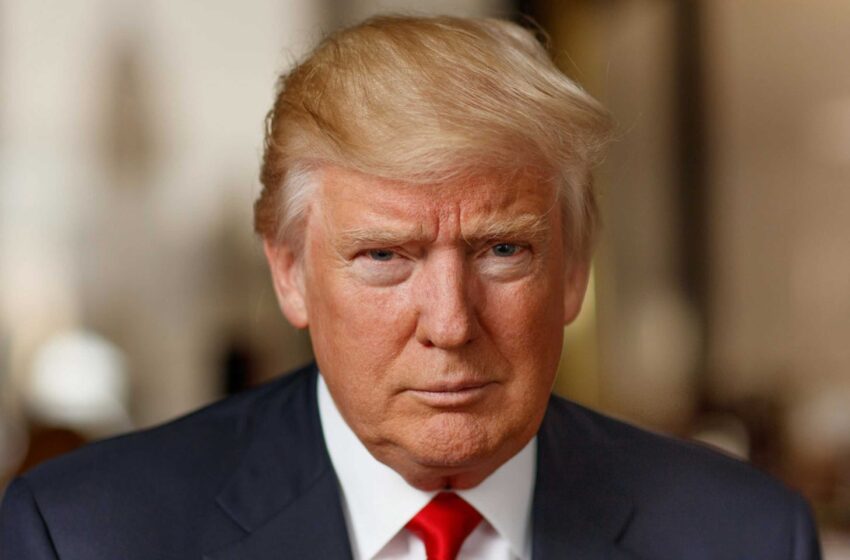
Donald Trump. Picture: David Hume Kennerly/Getty Images
Global markets reacted sharply after U.S. President Donald Trump declared that the ceasefire between the United States and Iran was effectively over, signaling the possibility of renewed military action and triggering another surge in oil prices.
The announcement came during the NATO summit in Ankara, Turkey, where Trump said he no longer intended to pursue negotiations with Tehran after renewed clashes in the Strait of Hormuz. His remarks marked a significant escalation in tensions only weeks after both countries agreed to halt hostilities following a brief but intense conflict.
Energy markets responded immediately, while investors closely monitored developments amid fears of another disruption to global oil supplies.
Trump says ceasefire with Iran is over
Speaking alongside NATO Secretary General Mark Rutte, President Trump told reporters that the ceasefire had effectively ended.
According to the president, continued discussions with Iran were no longer worthwhile after both sides accused each other of violating the agreement reached last month.
“I don’t want to deal with them anymore. As far as I’m concerned, it’s over,” Trump said.
The comments represented one of the administration’s strongest statements since the ceasefire was announced and raised fresh concerns about the possibility of a broader regional conflict.
Trump warns of possible new U.S. strikes
Later in the day, Trump suggested the United States could launch another military operation against Iran.
During a meeting with Ukrainian President Volodymyr Zelenskyy, Trump said the U.S. would “very probably” strike Iran again if necessary.
Defense Secretary Pete Hegseth echoed that position, saying American forces were prepared to carry out additional operations should the president authorize further action.
The White House also indicated that naval restrictions near the Strait of Hormuz could be reinstated, a move that would significantly affect one of the world’s busiest energy shipping routes.
Why tensions escalated again
The latest escalation followed renewed attacks on commercial vessels travelling through the Strait of Hormuz.
U.S. Central Command said American forces carried out large-scale retaliatory strikes against more than 80 Iranian military targets, including air-defense systems, command-and-control facilities, anti-ship missile sites and Revolutionary Guard naval assets.
Military officials described the operation as a response to attacks targeting commercial shipping and international maritime security.
Iran strongly rejected the U.S. justification, accusing Washington of violating the memorandum that helped end last month’s fighting.
Iran’s Foreign Ministry said the attacks represented a serious breach of the understanding reached between both governments and insisted its armed forces remained ready to defend the country’s sovereignty.
READ ALSO
Oil prices jump as markets react
Financial markets quickly reflected investor concerns over renewed instability in the Middle East.
Brent crude climbed more than five percent to trade above $78 per barrel, while West Texas Intermediate crude rose close to $75 per barrel.
Stock markets also weakened as traders assessed the possibility of prolonged disruptions to global energy supplies.
The Strait of Hormuz remains one of the world’s most strategically important shipping lanes, with a significant percentage of globally traded crude oil passing through the narrow waterway every day.
Any military escalation in the region typically increases concerns over supply shortages and higher fuel prices worldwide.
Why the Strait of Hormuz matters
The Strait of Hormuz connects the Persian Gulf with international waters and serves as a critical corridor for global oil exports.
Previous confrontations involving Iran and the United States have repeatedly affected shipping activity in the region, leading to temporary spikes in crude prices and increased shipping insurance costs.
Analysts warn that any extended military confrontation could have broader consequences for inflation, transportation costs and global economic growth.
Energy traders are expected to closely monitor developments over the coming days as diplomatic options appear increasingly uncertain.
What happens next?
Despite Trump’s declaration that the ceasefire is over, analysts say diplomatic efforts could continue behind the scenes to prevent a wider regional conflict.
Military officials remain on heightened alert while international governments continue urging restraint from both Washington and Tehran.
Investors, shipping companies and energy markets will also be watching for any additional military actions near the Strait of Hormuz, where renewed instability could further impact global oil supplies and financial markets.
With both governments exchanging accusations and military operations continuing, uncertainty remains high over whether the conflict can be contained or whether another phase of confrontation is about to begin.
FAQ
Is the Trump-Iran ceasefire officially over?
President Donald Trump stated that, from the U.S. perspective, the ceasefire with Iran was “over” following renewed hostilities and retaliatory military actions. However, the broader legal and diplomatic status of the ceasefire continues to depend on developments between both governments.
Why did Trump say the Iran ceasefire is over?
Trump said renewed attacks and what he described as Iranian violations of the ceasefire convinced him that negotiations were no longer worthwhile. He indicated that the United States was prepared to respond with further military action if necessary.
Why did the United States strike Iran again?
According to U.S. officials, the strikes were launched in response to attacks on commercial vessels transiting the Strait of Hormuz. The Pentagon said the operation targeted military infrastructure used to threaten international shipping.
What did Iran say about the latest U.S. strikes?
Iran condemned the strikes, describing them as a violation of the understanding reached after last month’s conflict. Iranian officials said their military remains prepared to defend the country’s sovereignty and territorial integrity.
Why are oil prices rising?
Oil prices increased because investors fear renewed fighting could disrupt crude oil shipments through the Strait of Hormuz, one of the world’s busiest energy trade routes. Supply concerns often lead to higher global oil prices.
What is the Strait of Hormuz?
The Strait of Hormuz is a narrow waterway connecting the Persian Gulf to the Gulf of Oman and the Arabian Sea. Roughly one-fifth of the world’s oil exports pass through it, making it one of the most strategically important shipping routes globally.
Will gasoline prices increase because of the Iran conflict?
If tensions continue and oil prices remain elevated, consumers in many countries could eventually experience higher fuel prices. The exact impact depends on how long the disruption lasts and how global energy markets respond.
Could the U.S. and Iran enter another war?
While military tensions have increased significantly, it remains unclear whether the latest escalation will develop into a broader conflict. Diplomatic efforts from regional and international partners may still help prevent a wider war.
How have financial markets reacted?
Global stock markets declined while oil prices climbed sharply after Trump’s remarks. Investors shifted toward safer assets amid concerns that prolonged conflict could affect global economic growth and energy supplies.
What happens next?
Analysts expect governments, military officials and energy markets to closely monitor developments. Any additional military operations or diplomatic breakthroughs could significantly influence oil prices, financial markets and regional stability.