

South Africa’s October fuel shock could set new petrol, diesel records

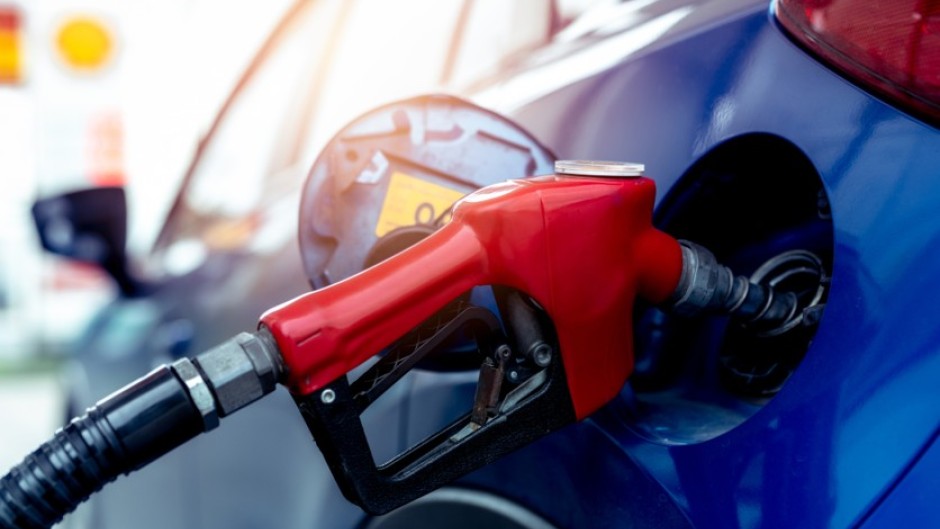
South African motorists could face the most expensive fuel fill-up in the country’s history when October fuel prices are announced, as rising international oil prices, a weaker rand and higher global fuel costs place renewed pressure on petrol and diesel prices.
The possible increase would come as households are already dealing with high living costs, expensive electricity, food inflation and rising transport expenses. A sharp fuel-price adjustment could affect millions of motorists and businesses across South Africa.
Why fuel prices may rise in October
South Africa’s fuel prices are influenced by several factors, including:
– International crude-oil prices
– Global petrol and diesel prices
– The rand-to-dollar exchange rate
– Government fuel taxes and levies
– Local transport and distribution costs
– The country’s fuel-price adjustment mechanism
When crude oil becomes more expensive internationally, local fuel prices generally rise. The impact is often intensified when the rand weakens against the US dollar because petroleum products are priced in dollars.
Market analysts have warned that a combination of higher oil prices and currency weakness could push the basic fuel price substantially higher. If the increase is not offset by government intervention or lower international prices before the monthly adjustment, motorists could pay record prices at service stations.
Petrol and diesel prices under pressure
Petrol prices are expected to attract significant attention because they directly affect private motorists, public transport operators and delivery companies. However, diesel users may face an equally serious challenge.
Diesel is widely used by:
– Trucks and logistics companies
– Agriculture and food producers
– Construction businesses
– Mining operations
– Generators and industrial equipment
– Public transport operators
An increase in diesel prices could raise the cost of transporting goods across the country. These additional expenses may eventually be passed on to consumers through higher prices for food, clothing, building materials and other essential products.
Impact on South African households
For ordinary households, higher fuel prices mean more expensive daily travel. Workers who commute long distances may have to spend a larger portion of their monthly income on petrol. Families may also face higher costs for school transport, shopping and medical trips.
Motorists are likely to respond by:
– Reducing unnecessary journeys
– Using public transport where possible
– Carpooling with colleagues or neighbours
– Choosing more fuel-efficient vehicles
– Comparing prices between service stations
– Delaying non-essential travel
However, these options may not be available to everyone, particularly people living in areas with limited public transport services.
Businesses could pass costs to consumers
Businesses are also expected to feel the effects of a record fuel increase. Transport companies may face higher operating costs, while retailers could pay more to move products from warehouses to stores.
Small businesses, including delivery services, farming operations and construction companies, could be particularly vulnerable. Many operate on narrow profit margins and may not be able to absorb a major increase in fuel expenses.
Higher transport costs can create a wider inflationary effect. When distribution becomes more expensive, companies often increase prices to protect their profits. This means that even people who do not own cars may still be affected by rising fuel prices.
Government response and fuel-price relief
The government could consider measures to reduce the impact of a sudden fuel-price increase. Possible options include adjusting fuel taxes, delaying certain increases or using the country’s fuel-price stabilisation mechanisms.
However, government intervention may be limited by pressure on public finances. Fuel taxes provide important revenue for national infrastructure, road maintenance and other public services. Any reduction in these taxes could create a funding gap.
READ ALSO:
Why Fuel Prices are Soaring in Canada Amid Middle East Tensions
The final October adjustment will depend on international market movements and the rand’s performance before the official announcement. A late recovery in the currency or a decline in oil prices could reduce the size of the increase.
What motorists should do
Motorists should prepare for the possibility of higher prices by reviewing their monthly budgets. Planning fuel purchases, maintaining vehicles properly and avoiding aggressive driving can help reduce consumption.
Important fuel-saving measures include:
– Keeping tyres correctly inflated
– Removing unnecessary weight from the vehicle
– Avoiding excessive idling
– Maintaining a steady speed
– Combining multiple errands into one trip
– Servicing the vehicle regularly
A record fuel increase would affect not only motorists but also transport costs, food prices and the wider South African economy.
Frequently Asked Questions
Could October bring record petrol prices in South Africa?
READ ALSO:
Dangote Refinery slashes diesel price by N200 as fuel import battle intensifies in Nigeria
Yes. If international oil prices remain elevated and the rand stays weak, October could bring some of the highest petrol prices ever recorded in South Africa.
Why does a weaker rand increase fuel prices?
South Africa imports and prices much of its fuel in US dollars. When the rand loses value against the dollar, importing petroleum products becomes more expensive.
Will diesel prices also increase?
Diesel prices could rise alongside petrol prices. This would particularly affect logistics companies, farmers, construction firms and other diesel-dependent industries.
How do higher fuel prices affect food prices?
Fuel is used to transport food from farms and factories to warehouses, shops and consumers. Higher diesel costs can therefore increase distribution expenses and retail food prices.
When will the October fuel-price decision be announced?
The official adjustment is normally announced near the end of the preceding month, with new prices taking effect at the beginning of October.
How can motorists save fuel?
Drivers can save fuel by maintaining correct tyre pressure, reducing unnecessary trips, avoiding harsh acceleration and keeping their vehicles properly serviced.