

What is the TB Vaccine and why is it Important

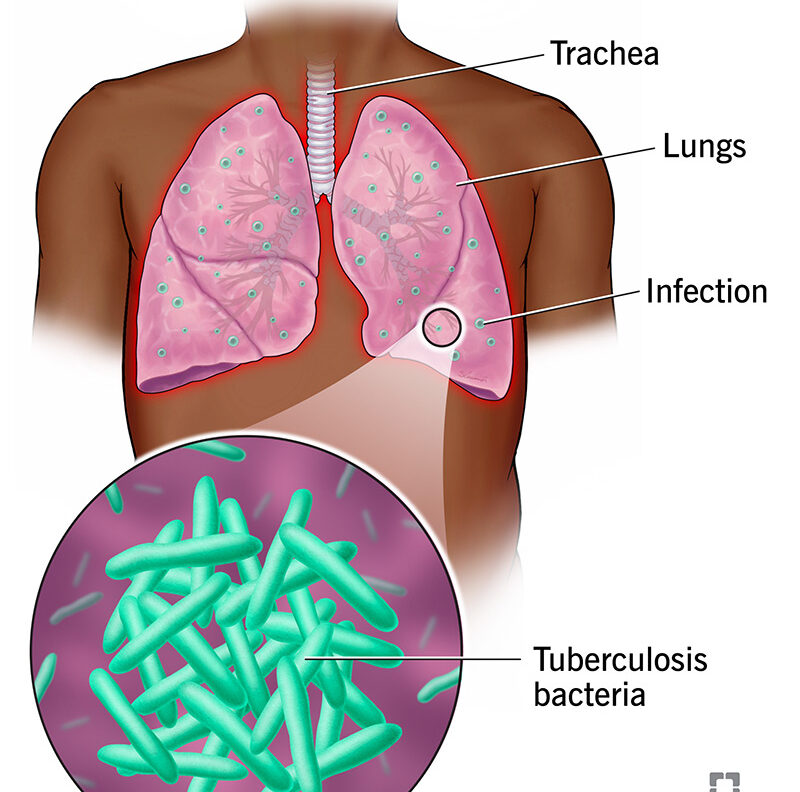
Tuberculosis (TB) remains one of the world’s deadliest infectious diseases, despite being preventable and curable. Now, renewed efforts to develop more effective TB vaccines could significantly reduce the number of people who die from the disease, with new candidates potentially becoming available from 2029.
The global vaccine alliance, Gavi, says new TB vaccines could avert up to 7.3 million deaths between 2030 and 2050 if they become available and reach countries with the greatest need.
But what exactly is the TB vaccine, who needs it and why are scientists looking for new versions?
What is tuberculosis?
Tuberculosis is an infectious disease caused by bacteria known as Mycobacterium tuberculosis. It most commonly affects the lungs, although it can also affect other parts of the body.
TB spreads through the air when a person with infectious TB of the lungs or throat coughs, sneezes or speaks. People who spend considerable time around someone with untreated infectious TB can therefore be exposed to the bacteria.
Not everyone infected with the TB bacteria develops TB disease. Some people have what is known as TB infection without symptoms and cannot spread the disease. Others eventually develop active TB, which can cause symptoms such as prolonged cough, fever, night sweats, weight loss and weakness.
TB is treatable with antibiotics, but treatment can take several months and drug-resistant forms of the disease can be much more difficult to treat. The World Health Organisation describes TB as a major global health problem and says the disease remains the leading infectious killer.
What is the TB vaccine?
The main TB vaccine currently in use is the Bacille Calmette-Guérin (BCG) vaccine.
BCG is more than 100 years old and remains the only licensed vaccine against TB. It is included in childhood immunisation programmes in many countries, particularly those where TB is common.
The vaccine is particularly important for babies and young children because it protects against some of the most severe forms of TB, including TB meningitis and disseminated TB.
However, BCG has an important limitation: its protection against pulmonary TB, especially in adolescents and adults, is limited and variable. It also does not reliably prevent people from becoming infected with TB bacteria or stop the reactivation of latent infection.
This limitation is one of the reasons scientists have been searching for more effective TB vaccines.
Why is the TB vaccine important?
The importance of TB vaccination lies largely in prevention.
TB can be deadly, particularly when it progresses to severe disease or affects vulnerable people. Vaccination helps protect children against the most dangerous forms of TB and forms part of broader efforts to control the disease.
The need for better vaccines is even greater because adults and adolescents with pulmonary TB can contribute significantly to transmission.
A vaccine that can provide stronger and longer-lasting protection against pulmonary TB in older children, adolescents and adults could therefore have a much larger impact on the spread of the disease.
WHO has identified the development of vaccines capable of protecting adolescents and adults against pulmonary TB as an important research priority.
Why are scientists developing new TB vaccines?
The biggest problem is that BCG does not provide enough protection against pulmonary TB in adults and adolescents.
That means the world has relied for decades on a vaccine that is valuable for protecting young children but does not adequately address the form of TB responsible for much of the disease burden among older people.
WHO reported that 18 TB vaccine candidates were in clinical development as of August 2025, including six in Phase III trials. Some are being developed to prevent TB infection or disease, while others are being studied for different roles in TB control.
The development of these vaccines could therefore change how the world approaches TB prevention.
Could new TB vaccines save millions of lives
According to Gavi’s latest analysis, potentially.
The organisation estimates that new TB vaccines could avert up to 7.3 million deaths from 2030 through 2050 and generate as much as $135 billion in economic benefits for low- and middle-income countries.
But those benefits are not guaranteed.
Gavi warned that having an effective vaccine is only one part of the challenge. Countries will also need enough doses, sustainable financing and systems capable of delivering the vaccines to the people who need them.
If manufacturers do not have sufficient confidence in future demand, they may also be less willing to invest in production capacity, potentially creating shortages once vaccines are approved.
What does this mean for Nigeria?
For countries with a significant TB burden, the development of more effective vaccines could be particularly important.
Nigeria already uses BCG vaccination as part of childhood immunisation, but the limitations of the vaccine mean vaccination alone cannot eliminate TB.
Better vaccines for adolescents and adults could eventually provide another tool for reducing infections, disease and deaths.
However, a new vaccine would still need to undergo regulatory approval and decisions would have to be made about how and when it should be introduced into national immunisation programmes.
For now, Nigerians should continue to rely on existing TB prevention, diagnosis and treatment measures rather than wait for future vaccines.
Does getting the BCG vaccine mean a person cannot get TB?
No.
This is an important distinction.
BCG provides protection against severe forms of TB in children, but it does not offer complete protection against all forms of TB.
WHO specifically notes that BCG does not prevent primary infection and does not reliably prevent reactivation of latent pulmonary TB.
Therefore, someone who has received BCG can still develop TB later in life.
What happens next?
The development of new TB vaccines is still progressing. Some candidates remain in clinical trials and must demonstrate that they are safe and effective before they can be widely used.
Gavi expects some promising candidates could receive regulatory approval towards the end of the decade, potentially opening a new chapter in TB prevention from around 2029.
Until then, early diagnosis, appropriate treatment, infection prevention and existing vaccination programmes remain essential.
The potential arrival of new TB vaccines is significant because the world has gone more than a century without a new licensed TB vaccine. If successful candidates can provide stronger protection for adolescents and adults, they could help close one of the biggest gaps in the global fight against tuberculosis.