

Dangote Refinery slashes diesel price by N200 as fuel import battle intensifies in Nigeria

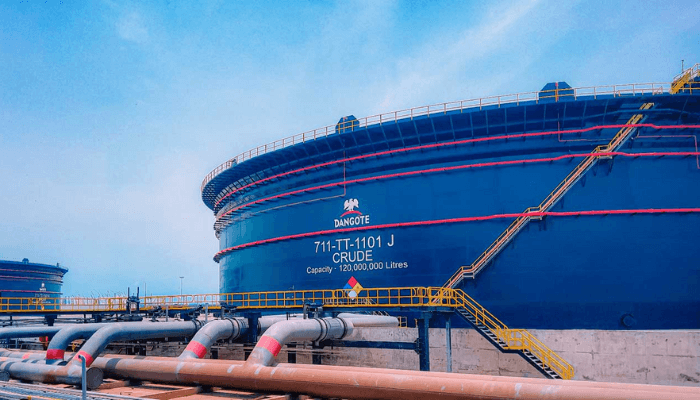
Dangote Refinery cuts diesel price to N1,600 per litre
Dangote Petroleum Refinery and Petrochemicals has reduced the gantry price of Automotive Gas Oil (AGO), popularly known as diesel, by N200 per litre in a move that is already reshaping competition within Nigeria’s downstream petroleum sector.
The latest adjustment lowers the refinery’s ex-depot diesel price from N1,800 per litre to N1,600 per litre, offering fresh relief to businesses, transport operators and manufacturers battling rising operational costs.
Industry sources confirmed that the new pricing structure took effect on May 26, 2026, shortly after fresh imported petroleum cargoes reportedly arrived at Nigerian ports.
The development comes amid an ongoing dispute involving Dangote Refinery, fuel importers and the Nigerian Midstream and Downstream Petroleum Regulatory Authority (NMDPRA) over the issuance of import licences.
Dangote Refinery Diesel Price Reduction Sparks Market Competition
Stakeholders in the oil and gas sector say the sharp diesel price reduction reflects increasing rivalry between local refining operations and imported petroleum products.
According to the National Public Relations Officer of the Petroleum Products Retail Outlets Owners Association of Nigeria (PETROAN), Dr Joseph Obele, the arrival of imported diesel shipments appears to have influenced the refinery’s pricing decision.
Obele described the move as evidence that competition in the downstream sector can directly benefit consumers through lower prices.
He said, “All hail competition and say no to monopoly in the petroleum industry. The more the competition, the better prices consumers will enjoy.”
Analysts noted that the new N1,600 per litre price reportedly undercuts the current landing cost of imported diesel, placing marketers importing petroleum products under fresh pricing pressure.
Legal Dispute Over Fuel Import Licences Deepens
The diesel price adjustment comes days after Dangote Refinery initiated legal action against the NMDPRA over the regulator’s decision to approve fuel import licences for several marketers.
Reports indicate that the refinery challenged the continued approval of petroleum imports despite the existence of large-scale domestic refining capacity.
However, fresh shipments of imported petroleum products still arrived at Nigerian ports over the weekend, intensifying competition in the market.
Industry observers believe the latest pricing strategy could be aimed at protecting Dangote Refinery’s market share while discouraging excessive dependence on imported diesel.
READ ALSO
Businesses and Transport Operators May Benefit
Economic experts say the reduction in diesel prices could positively impact Nigeria’s manufacturing, transportation and logistics sectors if the lower rates are sustained.
Diesel remains a major energy source for factories, heavy-duty transportation, power generation and commercial operations across Nigeria due to unstable electricity supply.
Lower diesel prices could therefore help reduce operational expenses for businesses and potentially slow inflationary pressures affecting goods and services nationwide.
Manufacturers and transport operators have repeatedly called for measures that would reduce energy costs, arguing that high diesel prices significantly increase production and transportation expenses.
Global Oil Market Volatility Continues to Influence Prices
The latest price movement also coincides with fluctuations in the international crude oil market caused by ongoing geopolitical tensions.
Global oil prices recently experienced sharp swings following conflicts involving the United States, Israel and Iran earlier in the year.
The temporary closure of the Strait of Hormuz, one of the world’s most important oil shipping routes, disrupted global crude supply chains and triggered fears of fuel shortages.
Although oil prices later eased after diplomatic negotiations and partial reopening of shipping routes, uncertainty continues to affect international petroleum markets.
Brent crude reportedly dropped to around $95 per barrel from previous highs above $98, contributing to changing fuel price dynamics globally.
Nigeria’s Downstream Sector Enters a New Pricing Era
The latest diesel price cut is widely viewed as one of the most significant reductions since Nigeria’s petroleum sector deregulation reforms.
Industry experts say the downstream sector may now witness more aggressive price competition between domestic refiners and import-dependent marketers.
Many stakeholders believe this could ultimately benefit consumers through lower pump prices and improved fuel availability.
However, analysts also warn that long-term stability will depend on factors including exchange rates, global oil prices, logistics costs and government regulatory policies.
For millions of Nigerians and businesses struggling with rising economic pressures, the Dangote Refinery diesel price reduction has become one of the most closely watched developments in the country’s energy market.
FAQ
Why did Dangote Refinery reduce diesel price?
Dangote Refinery reduced its diesel price amid increased competition following the arrival of imported petroleum products into Nigeria.
What is the new diesel price at Dangote Refinery?
The refinery reduced its ex-depot diesel price from N1,800 per litre to N1,600 per litre.
When did the new diesel price take effect?
Industry sources say the new pricing structure became effective on May 26, 2026.
How does the diesel price reduction affect Nigerians?
Lower diesel prices could reduce transportation, logistics and manufacturing costs, potentially easing inflation and business expenses.
Why is Dangote Refinery in court against NMDPRA?
Dangote Refinery reportedly filed legal action after the NMDPRA approved import licences for marketers to continue importing petroleum products.
What is AGO in petroleum products?
AGO stands for Automotive Gas Oil, commonly known as diesel fuel.
Could diesel prices drop further in Nigeria?
Analysts say prices could continue to fluctuate depending on global oil prices, exchange rates, fuel imports and local competition.
How do global oil prices affect diesel prices in Nigeria?
International crude oil prices directly influence fuel production and importation costs, which impact local diesel prices.
What role does competition play in fuel pricing?
Competition between local refiners and importers can lead to lower prices as companies attempt to attract customers and protect market share.
Is Dangote Refinery producing enough fuel for Nigeria?
Dangote Refinery has significantly increased domestic refining capacity, but Nigeria still imports some petroleum products to meet market demand.