

OPay Loans: 5 Things to Know Before Borrowing

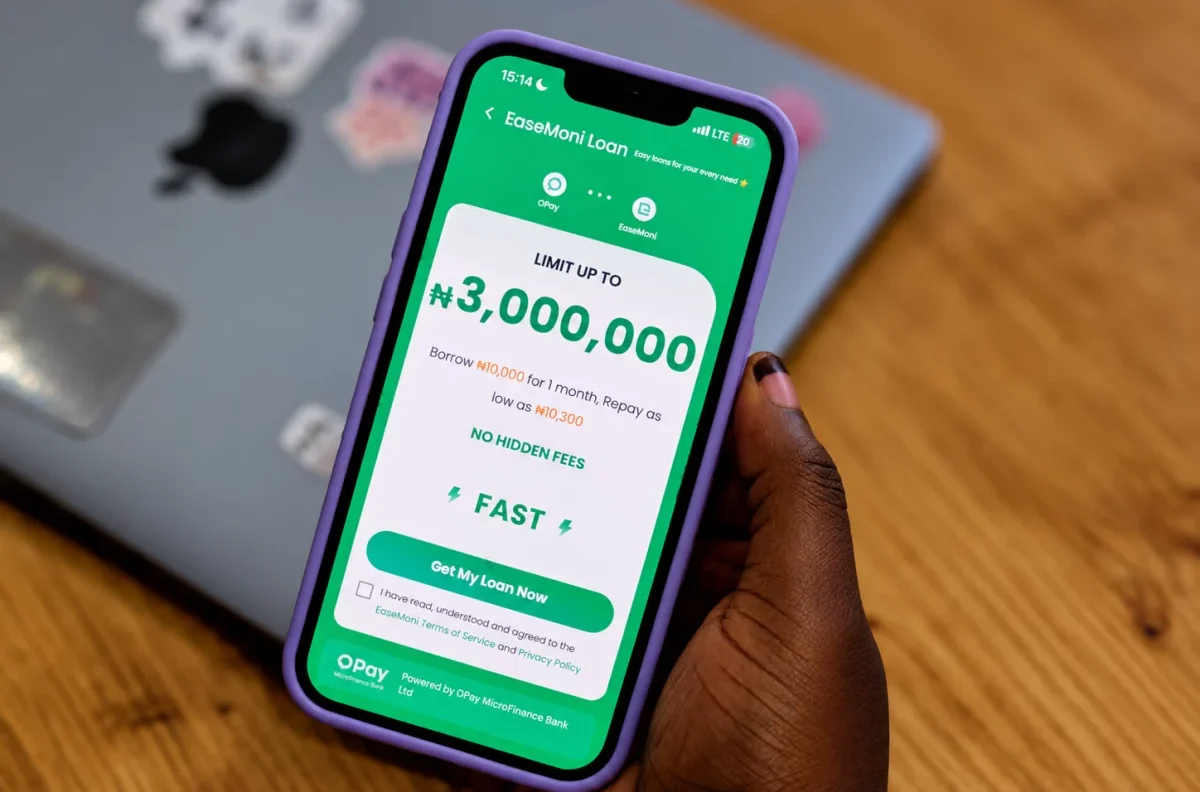
OPay has become a familiar name in Nigeria’s digital financial services market, offering customers access to payments and other financial services. Its lending business has also grown, making it important for prospective borrowers to understand the responsibilities that come with taking a loan.
A report by TechCabal published on October 14, 2026, highlighted the scale of OPay’s lending operations and the credit risks associated with the business.
In the first half of 2026, OPay generated $236.12 million in loan-financing revenue, compared with $130.55 million from payment-related services. The company also set aside $118.36 million for expected credit losses.
Expected credit losses are estimates of money a lender may not recover from borrowers. They do not necessarily represent loans that have already defaulted.
Although these figures do not mean every OPay borrower faces repayment difficulties, they offer an opportunity to examine what customers should consider before taking a loan.
Here are five things to know before borrowing from OPay.
1. Understand the total repayment amount
Before accepting an OPay loan, check the total amount you are expected to repay.
Do not focus only on the amount you will receive. Review the interest rate, applicable fees and any other charges attached to the offer.
For example, if you borrow ₦50,000, confirm whether your repayment obligation will remain close to that amount or increase because of interest and fees.
Understanding the total cost will help you decide whether the loan is affordable.
2. Check the repayment deadline
Every borrower should know when repayment begins and when the loan must be settled.
Check whether the repayment is due in one instalment or several payments. You should also understand what happens if you miss a deadline.
Choose a repayment schedule that matches your income pattern. If your earnings are irregular, consider whether you can meet the obligation without neglecting essential expenses.
3. Borrow only what you need
A lending offer may provide access to more money than you actually require. However, accepting the maximum available amount can increase your repayment burden.
Before applying, identify the expense you need to cover and calculate how much you can realistically repay.
Avoid borrowing extra money simply because it is available. A smaller loan may be easier to manage and could reduce the cost of borrowing.
4. Know the consequences of late repayment
Missing a repayment deadline can have financial consequences, depending on the loan agreement.
These may include additional charges, collection efforts or effects on your credit history where applicable.
Before accepting an offer, read the terms covering overdue payments, extensions and early repayment.
If you anticipate difficulty meeting a deadline, contact the lender through its official channels to ask about available options. Do not assume that an extension will be granted automatically.
5. Avoid using new loans to repay existing debt
Taking another loan to settle an outstanding debt may provide temporary relief, but it can also create a cycle of borrowing.
If the new loan comes with additional interest or fees, your overall debt could increase.
Before borrowing again, assess why you are struggling to repay the existing loan. Consider whether adjusting your spending or negotiating a repayment arrangement would be more sustainable.
What borrowers should remember
OPay’s lending figures highlight the scale of its credit operations and the financial risks lenders manage. However, the company’s expected credit losses do not establish that all its borrowers are struggling or that its lending services are unsuitable for everyone.
For customers, the key is to understand the loan terms, calculate the full repayment cost and assess whether their income can cover the obligation.
A loan is most useful when you have a clear reason for taking it and a realistic plan for paying it back.