
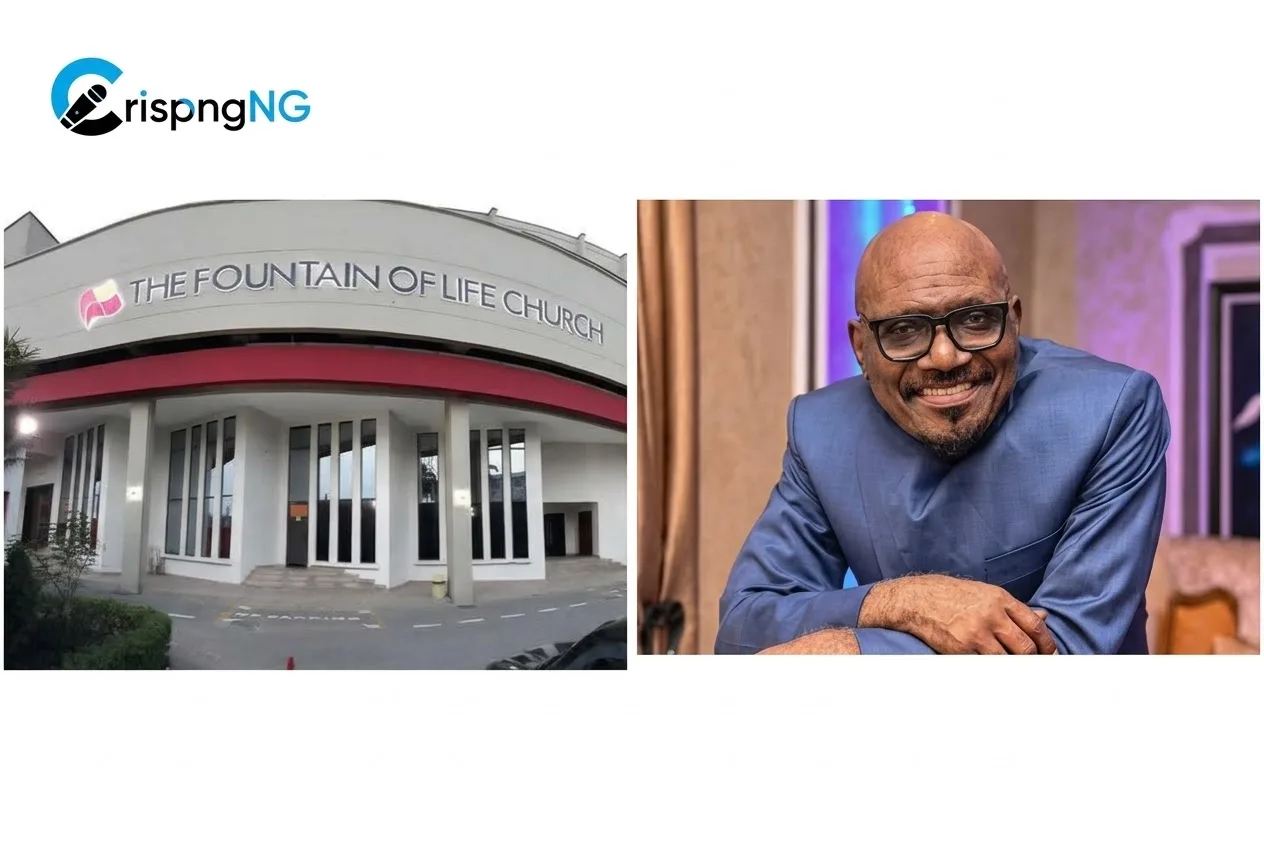
The dispute over Jimmy Odukoya’s position at Fountain of Life Church has renewed attention on leadership battles within Nigerian religious organisations. From decades-long factional divisions to succession disputes and court cases over church property, several prominent denominations have struggled to resolve disagreements among their leaders.
The leadership crisis at The Fountain of Life Church has raised an important question about how Nigerian churches manage leadership transitions and disagreements over authority.
The dispute involves competing claims over the succession arrangements left by the church’s late founder, Pastor Taiwo Odukoya. His son, Jimmy Odukoya, became Senior Pastor after his father’s death in 2023. However, some trustees now challenge his appointment and have questioned whether it followed the founder’s instructions.
The disagreement has moved into the courts. On November 26, 2026, a Lagos State High Court issued a bench warrant against Jimmy after he failed to appear in ongoing contempt proceedings. His legal team has challenged the court’s orders and jurisdiction.
The latest development does not settle the underlying succession dispute.
However, Fountain of Life is not the only Nigerian Christian organisation to have experienced serious leadership disagreements.
Some disputes have lasted decades, produced competing factions and resulted in court cases over who controls church structures, properties and administrative authority.
Here are five notable cases.
1. Fountain of Life Church: Jimmy Odukoya’s succession battle
Pastors Taiwo and Bimbo Odukoya founded The Fountain of Life Church in Lagos in 1992.
After Bimbo’s death in 2005, Taiwo continued leading the ministry until his death in August 2023.
Jimmy subsequently emerged as the church’s Senior Pastor. The church announced his appointment in September 2023, saying its Board of Trustees unanimously approved the decision.
The arrangement became controversial in November 2026 when a group identifying itself as members of the Board of Trustees announced that it no longer recognised Jimmy as Senior Pastor.
The group released a video allegedly recorded in December 2021. It claimed the recording showed Taiwo naming Pastor Kunle Areogun as his preferred successor while assigning Jimmy administrative responsibilities and leadership of the youth church.
The trustees also named Pastor Rotimi Okpaise as interim spiritual and administrative leader.
Jimmy and the church officials supporting him rejected the removal announcement. They argued that the decision did not represent a constitutionally valid resolution of the recognised Board of Trustees.
The dispute reached the Lagos State High Court, which issued an interim order restraining Jimmy from presenting himself as Senior Pastor and Spiritual Head.
The court subsequently issued a bench warrant against him on November 26 after he failed to appear in contempt proceedings. However, his legal team challenged the proceedings, and the church disputed whether he had been properly served with the relevant court processes.
The case now raises questions about whether a founder’s recorded instructions can override a successor’s appointment and the powers of a church’s governing board.
Read also: ADC Leadership Crisis: Why Nafiu Bala Says He Is Still the Party’s Chairman
2. Christ Apostolic Church: A leadership crisis that lasted more than three decades
The Christ Apostolic Church (CAC) experienced one of Nigeria’s longest-running denominational leadership disputes.
The crisis began in 1990 and eventually produced two major factions: the Supreme Council and the General Executive Council.
The disagreement developed into a prolonged struggle over the church’s legitimate governing authority. Both factions pursued legal action, while attempts to reconcile their differences continued for years.
By September 2017, the two groups were reportedly exploring ways to resolve their differences after 27 years of division.
In March 2021, The Nation reported that leaders from both factions were considering a joint arrangement involving nine trustees. The proposal also included withdrawing pending court cases to facilitate unification.
The discussions showed that both sides recognised the cost of the prolonged division. However, the proposed arrangement did not establish that the crisis had been permanently resolved.
A research study on the conflict, titled The Impact of Leadership Conflict on the Growth of Christ Apostolic Church (1990–2010), also documented how the disagreement affected the denomination and frustrated reconciliation efforts.
The CAC dispute demonstrates how disagreements over leadership structures can divide a religious organisation long after the original disagreement begins.
3. Assemblies of God Nigeria: Paul Emeka’s removal and the Supreme Court battle
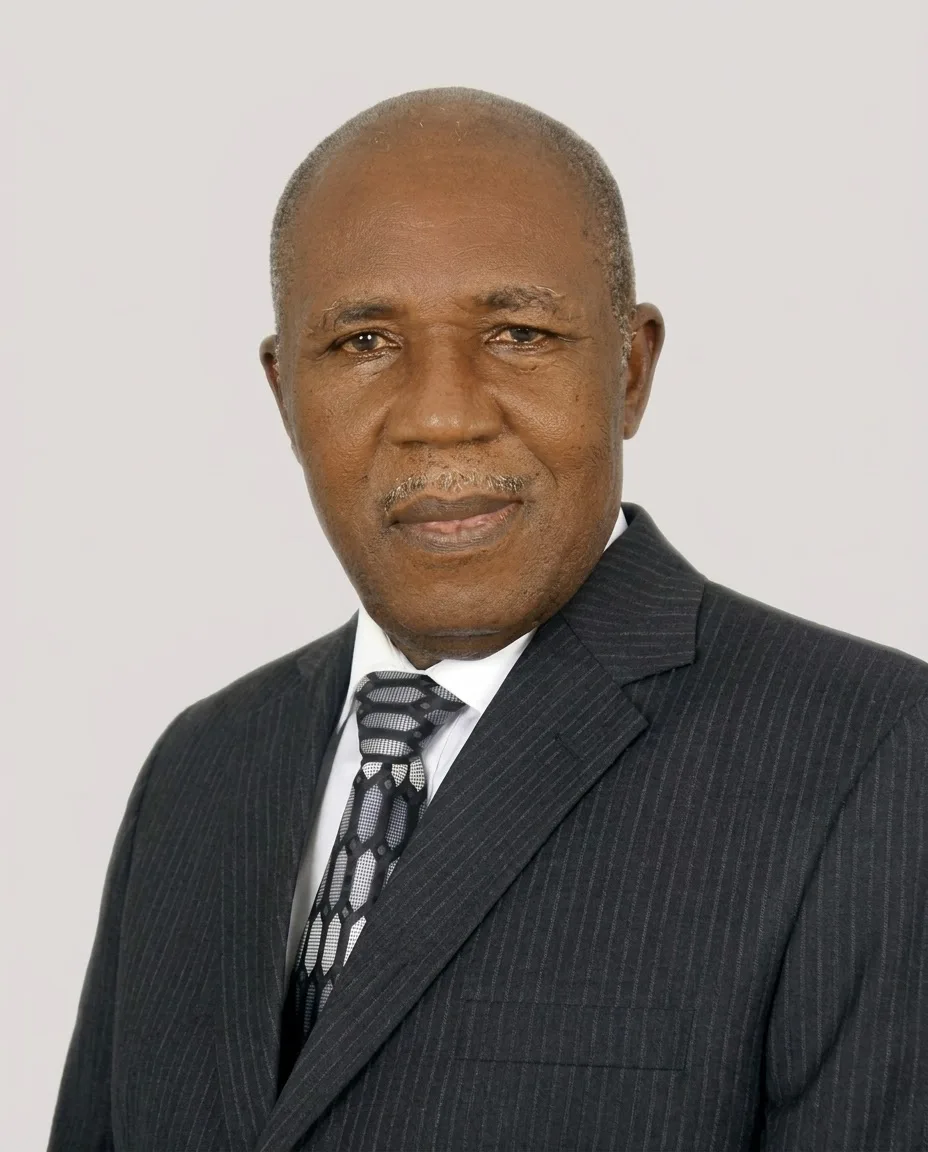
Assemblies of God Nigeria has also experienced major disagreements over its leadership and internal administration.
One of its most prominent disputes involved Reverend Professor Paul Emeka, who became General Superintendent in November 2010.
Disagreements emerged between him and sections of the church’s governing authorities over his administration and alleged constitutional violations.
The church suspended Emeka in March 2014. He challenged the decision and disputed the circumstances surrounding his removal.
His supporters and opponents subsequently formed competing camps. Reverend Chidi Okoroafor emerged as General Superintendent after Emeka’s removal.
The disagreement moved through the courts before reaching the Supreme Court.
On February 24, 2017, the Supreme Court delivered judgment in the case involving Emeka and Okoroafor. The apex court affirmed the church’s decision to remove Emeka.
The dispute became a major example of how disagreements over internal church constitutions and disciplinary procedures can develop into prolonged legal battles.
A 2021 academic study published in HTS Teologiese Studies also examined the divisions within Assemblies of God Nigeria and their effects on the denomination.
Read also: PDP Leadership Crisis: INEC Recognises Wike-Backed Faction After Controversial Convention
4. Synagogue Church of All Nations: Succession questions after TB Joshua’s death
The death of Prophet Temitope Balogun Joshua, popularly known as TB Joshua, in June 2021 also generated public questions about succession at the Synagogue Church of All Nations (SCOAN).
His wife, Evelyn Joshua, became the central figure in the church’s leadership transition.
However, reports emerged in July 2021 of disagreements between supporters of Evelyn and some senior disciples over who should succeed the founder.
A report by THISDAY claimed that some elders opposed the idea of transferring leadership to the founder’s widow and preferred one of the senior disciples.
The controversy prompted the church to issue a statement denying that a succession battle existed. It said the reports were false and insisted that members would continue following the instructions left by TB Joshua.
The church subsequently confirmed Evelyn’s leadership.
It is important to distinguish this episode from the prolonged disputes at CAC and Assemblies of God. SCOAN publicly denied the reported succession battle, and the available evidence does not establish a lasting institutional split over the appointment.
Nevertheless, the episode illustrates the questions that can arise when a prominent founder dies and different stakeholders have expectations about who should take over.
Read also: Keystone Bank’s Leadership Change: The CBN’s Intervention, Ownership Battle and What Comes Next
5. United Methodist Church in Nigeria: A leadership dispute that divided the denomination
The United Methodist Church in Nigeria experienced a serious division involving Bishop John Wesley Yohanna and Reverend Ande Emmanuel.
The disagreement developed amid wider tensions over the denomination’s direction and the global United Methodist Church’s position on same-sex marriage and the ordination of LGBTQ clergy.
Yohanna and his supporters favoured leaving the United Methodist Church and joining the Global Methodist Church. Emmanuel and other leaders opposed the move and wanted to remain within the original denomination.
The disagreement eventually affected the church’s legal identity, trustees, properties and financial assets.
In September 2024, a breakaway group submitted a request to change the registered name of the Nigerian denomination to Global Methodist Church in Nigeria.
The original United Methodist Church in Nigeria challenged the move, arguing that the change violated its constitution and applicable legal procedures.
On March 30, 2026, the Federal High Court in Abuja ruled in favour of the United Methodist Church in Nigeria.
The court ordered the Corporate Affairs Commission to reverse the name change and restore the church’s previous trustees. It also ordered Zenith Bank to restore the denomination’s access to its accounts.
The judgment addressed the legal identity and assets of the organisation. It did not automatically reunite members who had joined the breakaway group.
The case demonstrates how disagreements over denominational direction can become legal battles involving leadership, property, bank accounts and institutional identity.
Read also: Union Bank: Court Nullifies CBN Takeover and Orders Former Board’s Reinstatement
Why leadership disputes keep emerging in Nigerian churches
These cases show that church leadership crises do not always have the same causes.
At Fountain of Life and the reported SCOAN succession controversy, the death of a prominent founder raised questions about who should take over.
At CAC and Assemblies of God, disagreements over internal authority, constitutions and disciplinary decisions contributed to prolonged divisions.
The United Methodist dispute involved leadership disagreements and a wider conflict over the denomination’s future direction.
However, some common issues emerge.
Unclear succession arrangements: Churches built around influential founders can face uncertainty when the founder dies without a succession process accepted by major stakeholders.
Disagreements over church constitutions: Governing documents establish how leaders are appointed, disciplined or removed. Conflicting interpretations can turn internal disagreements into legal battles.
Control of church property: Religious organisations own valuable assets, including land, schools, hospitals, worship centres and bank accounts. Leadership disputes can therefore become battles over who controls these resources.
Influence of founding families and trustees: Some ministries have influential family members, trustees, senior pastors and boards. Their interests may not always align.
Ultimately, these cases show why religious organisations need transparent leadership structures and clear succession procedures.
Church members should not have to choose between competing authorities whenever senior leaders disagree.
The challenge is not simply to appoint another pastor after a founder leaves. It is to build institutions with rules strong enough to survive disagreements, leadership changes and the departure of influential personalities.