
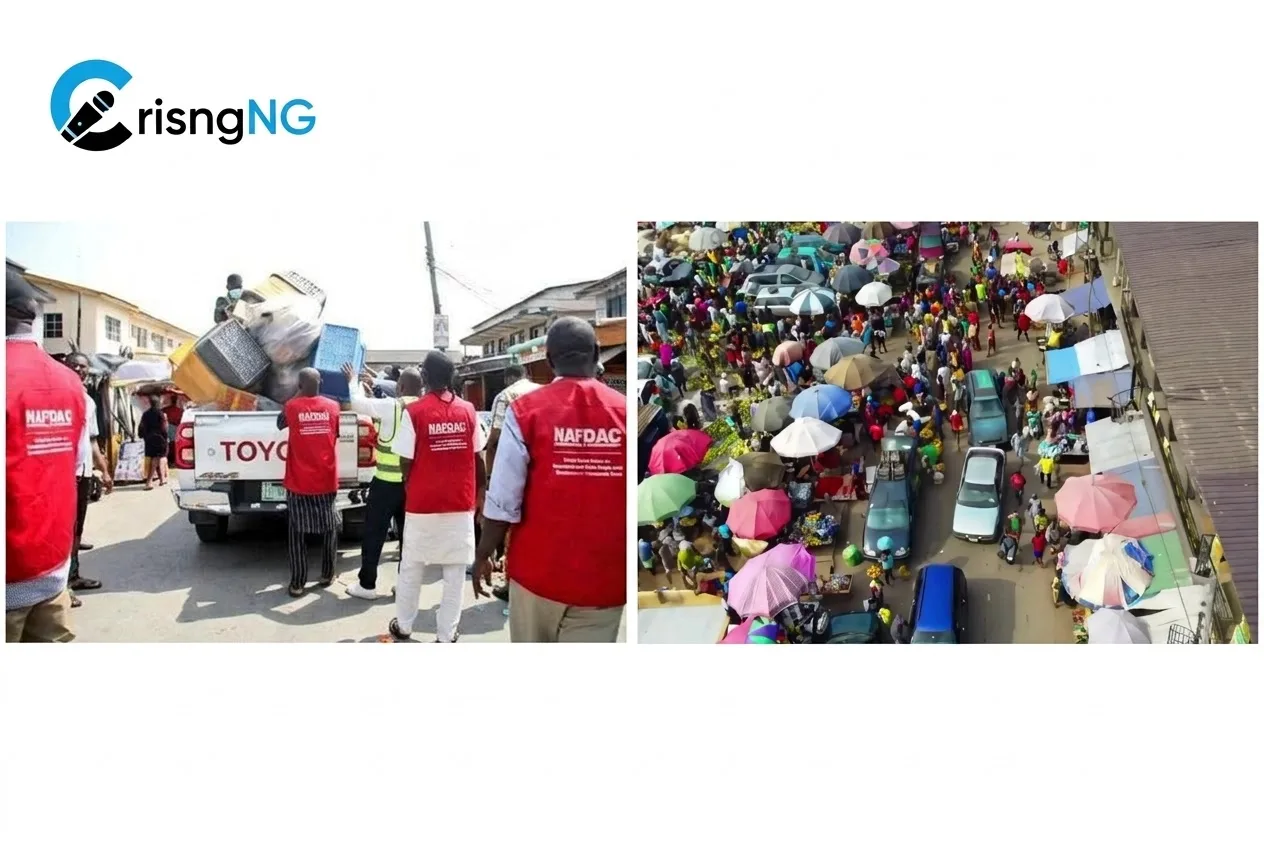
The National Agency for Food and Drug Administration and Control (NAFDAC) has seized products worth more than ₦300 million from Zuba International Market in Abuja. The operation exposed the continued circulation of prohibited alcoholic drinks, expired goods and other products that could put consumers at risk.
NAFDAC screened more than 160 shops during the November 26 operation, which involved the Nigeria Police Force and Department of State Services (DSS).
The agency said the raid followed intelligence reports about the sale and distribution of prohibited sachet alcohol, counterfeit products and unregistered wines.
According to Premium Times, officials also discovered expired products in some warehouses.
The seizure is significant because it goes beyond the recovery of counterfeit goods. It highlights the risks consumers face when prohibited, expired or unregistered products enter everyday markets.
NAFDAC found prohibited alcoholic drinks in small containers
One major focus of the operation was alcoholic beverages packaged in sachets and small containers below 200 millilitres.
NAFDAC said it discovered drinks in 50ml and 100ml containers, alongside other prohibited products. Some were reportedly stored in warehouses and shops within the market.
The agency began enforcing its restriction on alcoholic beverages packaged in sachets and PET bottles below 200ml in January 2026. This followed a five-year moratorium that gave manufacturers time to stop producing the affected products.
The restriction does not prohibit every alcoholic drink sold in Nigeria. It targets alcoholic beverages packaged in sachets and PET bottles below the 200ml threshold. Products packaged in containers of 200ml and above are not covered by this particular restriction.
The enforcement has also moved beyond manufacturers. NAFDAC says it is now targeting markets, retailers and distribution points to remove prohibited products already in circulation.
The agency’s concern includes the easy availability of highly concentrated alcoholic drinks in small, relatively affordable containers. Officials say this could make the products more accessible to minors.
Read also: NAFDAC Bans Alcohol in Sachets and PET Bottles, 48 Other Items
Expired products and counterfeit goods pose different risks
The Zuba operation also uncovered expired products and other goods described by NAFDAC as counterfeit, substandard or unwholesome.
These categories do not mean the same thing.
An expired product has passed the date indicated by its manufacturer for use or consumption. A counterfeit product is deliberately presented as another product or brand, often to deceive buyers.
A substandard product fails to meet the required quality standards. An unregistered product, meanwhile, has not obtained the necessary regulatory registration for sale in Nigeria.
These distinctions matter because a product can be unsafe without being counterfeit. Equally, a familiar brand name or convincing packaging does not automatically establish that an item is genuine.
NAFDAC’s Head of Investigation and Enforcement Division for the North-Central Zone, Babatunji Omoyeni, warned that counterfeit products could cause serious health complications, including kidney damage.
The agency has not publicly identified every product recovered from the market. Therefore, consumers should not assume that all the seized goods belonged to one category or that every product in the market was affected.
Why consumers should be careful when buying drinks and food
The raid comes as Nigerians prepare for increased shopping and celebrations during the festive season.
Higher demand can create opportunities for dishonest sellers to push questionable products into the market. Consumers may also find it harder to distinguish genuine goods from counterfeit versions, particularly when packaging looks convincing.
When buying packaged drinks, check the seal, label, batch details and other information printed on the container. Avoid products with broken seals, suspicious labels or signs of tampering.
Buy from sellers with traceable supply sources where possible. Be cautious when a product is unusually cheap or when the seller cannot explain where it came from.
However, appearance and price alone cannot establish whether a drink is genuine. Some counterfeit products imitate original packaging.
Consumers should also avoid drinking any beverage they suspect has been tampered with. Do not rely on taste or smell to determine whether a suspicious drink is safe.
Read also: Fake Drinks in Nigeria: 5 Ways to Protect Yourself
For medicines, the precautions are even more important. Check the expiry date, batch number, manufacturer details and NAFDAC registration information. A registration number printed on a package is not enough because counterfeiters can copy genuine numbers.
Consumers can compare product details through NAFDAC’s official registration platforms. If the information does not match, avoid using the medicine until its status is clarified.
Read also: How to Check If a Drug Is Genuine and Safe to Use in Nigeria
What happens to the seized products and those responsible?
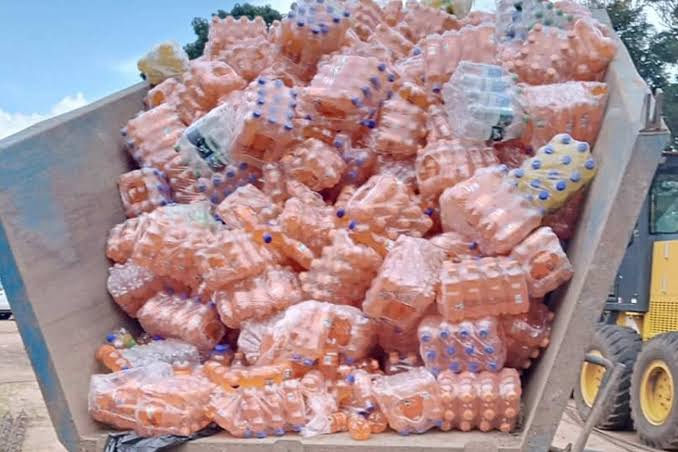
NAFDAC said it would document the recovered products, identify the owners of affected shops and warehouses, and gather evidence before taking legal action.
The agency explained that investigations must establish sufficient facts before suspected offenders are taken to court.
This means the seizure does not automatically establish the guilt of every trader whose shop was screened. Investigators must determine who owned the products, how they entered the market and who was responsible for distributing them.
The market’s vice chairman, Kelvin Henry, told The Nation that market officials had previously advised traders to remove prohibited drinks. He also said the shops were privately owned and that market leaders had limited authority over individual businesses.
The report said NAFDAC sealed shops and warehouses where prohibited products were found. It also impounded vehicles connected to the operation.
The outcome of the investigation will determine whether the owners or distributors face prosecution and what penalties may follow.
NAFDAC’s wider crackdown shows the scale of the problem
The Zuba raid is part of a broader enforcement campaign against unsafe and prohibited products.
NAFDAC recently destroyed fake, expired, banned, substandard and falsified products valued at approximately ₦100 billion in Ogun State. The items included unregistered medicines, banned alcoholic beverages, expired cough syrups, counterfeit cosmetics and unwholesome food products.
The agency has also reported hundreds of enforcement activities across the country in 2026.
In October, NAFDAC recorded 213 raids and 474 new cases between January and August, according to figures reported by the agency.
Read also: NAFDAC Records 213 Raids, 474 New Cases in Eight Months
These figures show that enforcement operations are continuing. However, repeated seizures also raise questions about how prohibited and counterfeit products keep finding their way into markets.
The challenge is not simply to remove unsafe goods after they reach consumers. Regulators must also trace their manufacturers, suppliers and distribution networks.
For shoppers, the Zuba operation is a reminder to pay attention to what they buy, particularly food, drinks and medicines. Consumers who suspect the sale of counterfeit, expired or prohibited products can report the matter to NAFDAC through its official channels.
The agency has urged Nigerians to provide credible information about individuals and locations involved in the manufacture, storage, distribution and sale of unsafe products.