
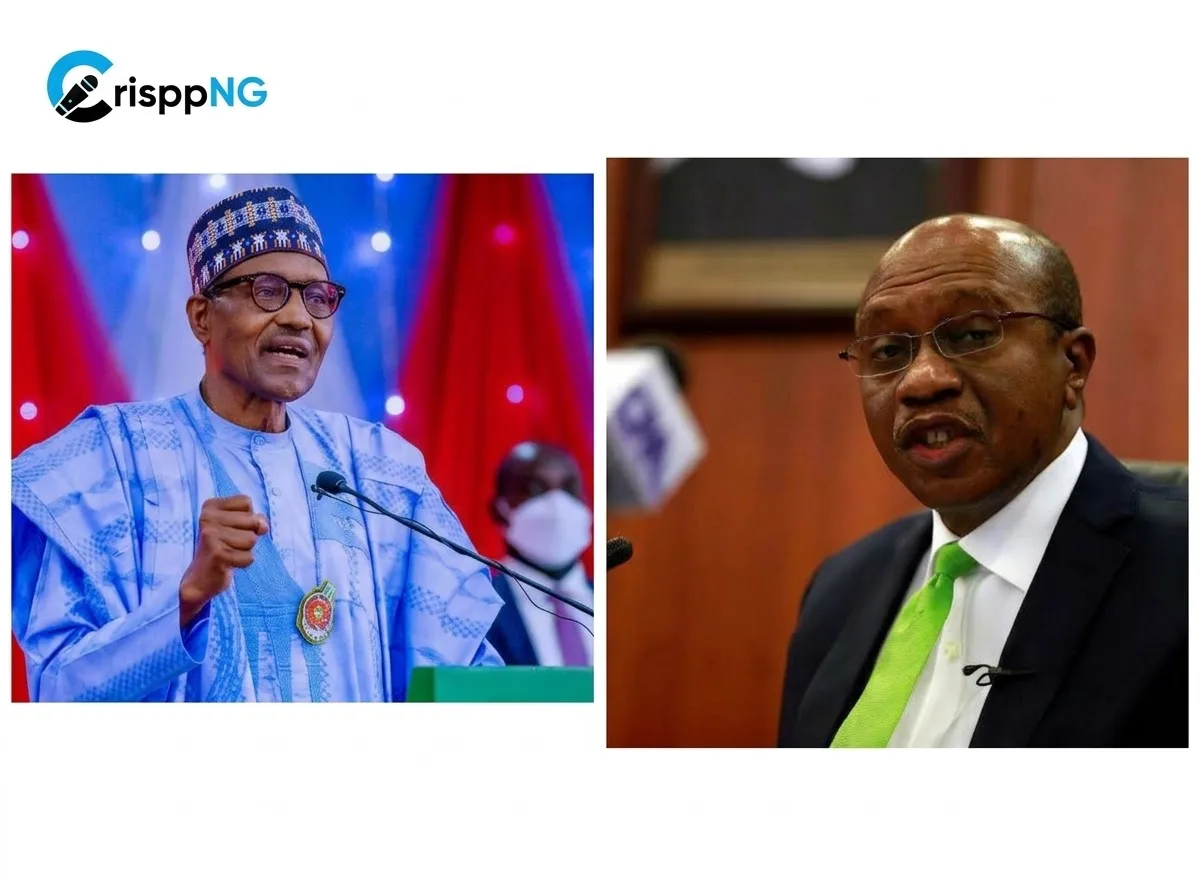
Fresh testimony in Godwin Emefiele’s trial has raised questions about the former CBN governor’s handling of the naira redesign. But it has also reopened a bigger question: what did the Buhari administration know, and why did it not act sooner?
The controversy surrounding Nigeria’s 2022 naira redesign has taken another turn after a police investigator told an Abuja court that former Central Bank of Nigeria (CBN) Governor Godwin Emefiele implemented a colour change instead of the redesign former President Muhammadu Buhari approved.
Commissioner of Police Eloho Okpoziakpo, the 11th prosecution witness, made the disclosure on November 26, 2026, during Emefiele’s ongoing trial.
According to Premium Times’ report of the testimony, the proposed designs submitted to Buhari included QR codes, changes to watermarks and different numbering arrangements.
However, the notes eventually produced did not contain all those features. The investigator also told the court that investigators found no evidence that the CBN board met to approve the colour changes or that Buhari subsequently authorised the revised designs.
The testimony raises questions about Emefiele’s decisions. However, it also puts the spotlight on the administration that approved and defended the policy.
Buhari approved the redesign but what did he know about the changes?
Buhari publicly acknowledged approving the naira redesign in his February 16, 2023 national broadcast.
He said he authorised the CBN to redesign the ₦200, ₦500 and ₦1,000 notes in the last quarter of 2022. He also defended the policy’s objectives, including strengthening the economy and addressing illicit financial flows.
That statement establishes that Buhari knew about and approved the redesign exercise. It does not, however, establish whether he knew the final notes would differ from the samples submitted to him.
The investigator’s testimony suggests that the printing company raised concerns about implementing the proposed changes within the available time. Its management reportedly advised the CBN to work on the colours instead because changing the notes’ physical features would take longer.
That explanation raises another question: who authorised the change from the approved designs to the colour versions eventually printed?
If Emefiele made that decision without obtaining the required approvals, the court must determine his responsibility. But the public also deserves to know whether officials in the Presidency or other government institutions knew about the change.
Read also: Old N200 Now Valid Till April 10: Inside Buhari’s Speech on Naira Scarcity
The cash crisis did not stop Buhari’s government from defending the policy
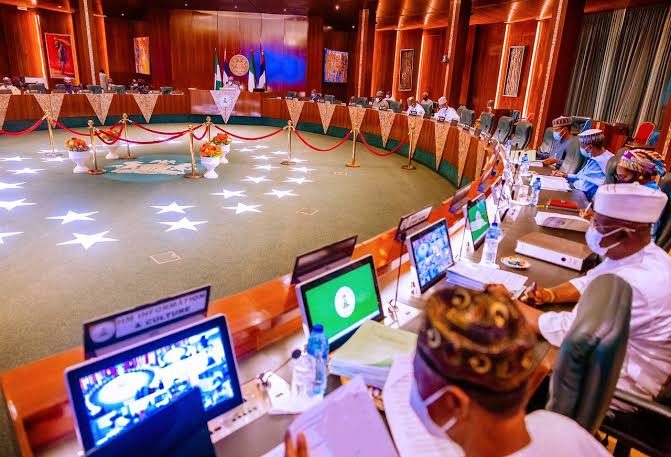
The controversy was not limited to the technical differences between the proposed and produced notes.
The redesign triggered a severe cash shortage in early 2023. Nigerians struggled to withdraw money, pay for goods and services, and access their savings. Businesses and transport operators also faced disruptions.
Despite the growing hardship, Buhari publicly defended the policy. In his February 16 broadcast, he acknowledged the difficulties Nigerians experienced but maintained that the redesign was intended to improve the economy.
He extended the validity of old ₦200 notes until April 10, 2023, while the old ₦500 and ₦1,000 notes remained affected by the dispute.
The Supreme Court eventually ruled on March 3, 2023, that the old notes should remain legal tender until December 31, 2023.
Buhari’s public defence matters because his administration had opportunities to review the implementation while the crisis was unfolding. However, there is no evidence in the latest testimony that he knew the final notes differed from the approved samples.
Read also: Naira Redesign Saga: Will Nigerians Still Dance the Horrible Mozart Concerto?
Why did the investigation come after Buhari left office?
The timing of the investigation is another issue that deserves attention.
Buhari left office on May 29, 2023. Tinubu suspended Emefiele as CBN governor on June 9, 2023, and he was arrested the following day.
In July 2023, Tinubu appointed Jim Obazee as a special investigator to examine the CBN and related entities. Findings from that investigation later featured in the cases against Emefiele.
This means the formal investigation that produced the latest court testimony began after Buhari’s administration had ended.
Could Buhari’s government have investigated Emefiele earlier? Yes. It could have demanded explanations, examined the approval process, questioned the CBN’s decisions or investigated possible departures from the approved designs.
However, the available evidence does not establish that Buhari knew about the alleged deviations and deliberately protected Emefiele. It also does not establish that the government had received the same evidence investigators later presented.
The timing therefore raises questions about oversight, but it does not by itself prove complicity.
Read also: Emefiele Trial: 5 Things to Know About N124.86bn CBN Withdrawal
The CBN board and other officials must also answer questions
The investigator said his team found no evidence that the CBN board met and approved the colour swap.
That detail matters because currency redesign involves more than the decision of one governor. Section 19 of the CBN Act provides for presidential approval based on a recommendation from the bank’s board before currency changes.
A former CBN deputy governor, Kingsley Obiorah, had also told the court in November 2024 that the board did not recommend the redesign to Buhari and only learnt about the policy in December 2022.
These testimonies raise questions about how Emefiele handled the bank’s internal approval procedures. They also invite scrutiny of why the board did not challenge the process earlier.
Read also: Naira Scarcity: NLC Makes U-Turn, Suspends Planned Nationwide Strike
Emefiele’s trial should not end the wider accountability debate
Emefiele faces charges linked to the alleged unlawful redesign of the naira and other financial transactions. The EFCC alleges that he unlawfully printed currency worth ₦684.5 billion at a cost of ₦18.96 billion. He has denied the allegations.
The latest testimony is evidence presented by the prosecution. It is not a conviction, and the court must still consider the defence’s response.
But the questions surrounding the redesign extend beyond whether Emefiele followed the required procedures.
If Buhari approved one design, who authorised the different version that Nigerians eventually received? Did the Presidency know about the changes? Why did the CBN board apparently fail to approve them? And why did the administration not investigate the process while it was still in office?
These questions matter because the policy affected millions of Nigerians, disrupted businesses and created a cash crisis during an election period.
Holding Emefiele accountable, if the prosecution proves its case, would address his individual responsibility. It would not automatically explain the failures of oversight that allowed the policy to proceed.
Nigeria needs answers not only about who changed the notes, but also about who supervised the process, who knew what happened and why the institutions responsible for oversight did not intervene sooner.