

8 Healthy Foods People Often Prepare the Wrong Way

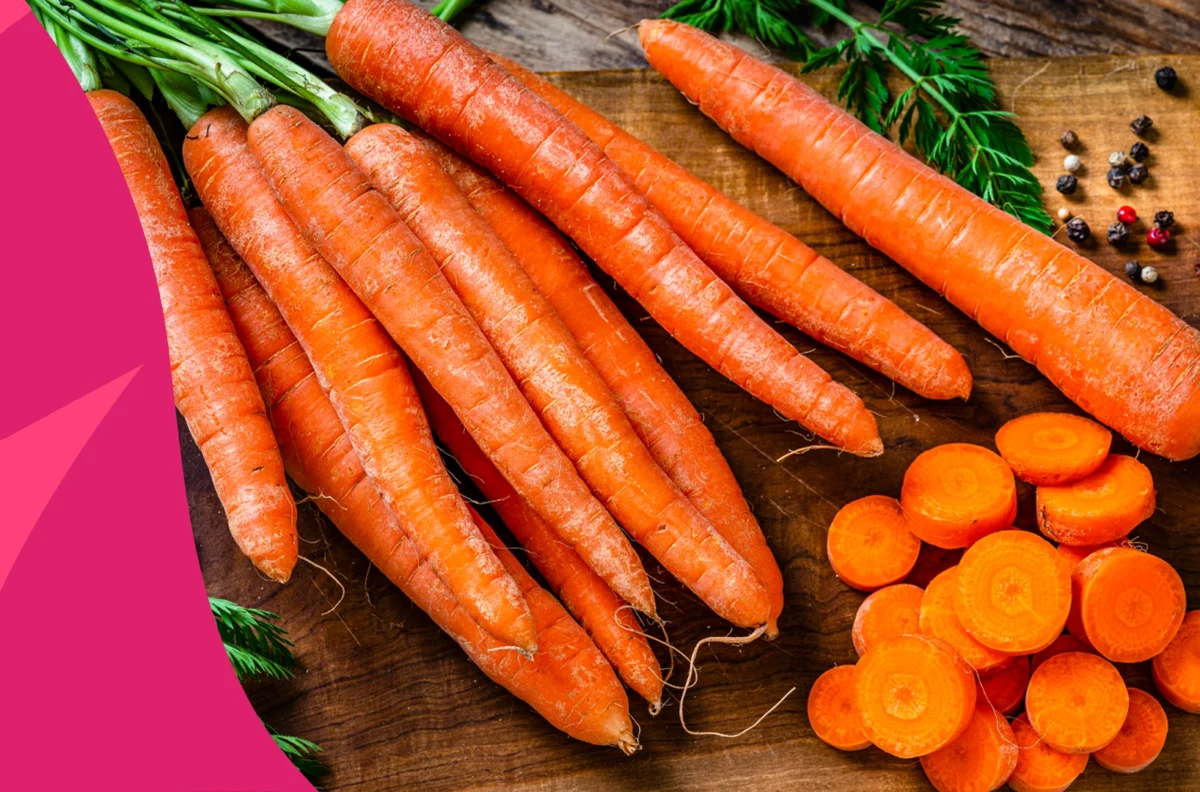
Simple cooking tips to get more nutrients from everyday healthy foods
Eating nutritious foods is one of the best ways to support long-term health, but how you prepare them can be just as important as what you eat. Certain cooking methods, storage habits, and preparation techniques can reduce vitamins, minerals, and antioxidants, or even make some nutrients harder for your body to absorb.
Nutrition experts say small changes in the kitchen can make a significant difference without requiring expensive ingredients or complicated recipes. Here are eight healthy foods people often prepare the wrong way, along with simple ways to preserve their nutritional value.
1. Broccoli: Boiling Can Wash Away Valuable Nutrients
Broccoli is packed with vitamin C, fiber, and sulforaphane, a plant compound linked to numerous health benefits. However, boiling broccoli for several minutes can cause water-soluble nutrients to leach into the cooking water.
Better option: Steam broccoli for three to five minutes or lightly sauté it. These methods help preserve nutrients while maintaining its crisp texture.
2. Garlic: Cooking It Immediately Reduces Its Benefits
Garlic contains allicin, a beneficial compound formed only after garlic is chopped, crushed, or minced. If garlic is cooked immediately after cutting, much less allicin develops.
Better option: Chop or crush garlic and let it sit for about 10 minutes before cooking. This allows the enzyme reaction to occur, helping maximize its health-promoting compounds.
3. Carrots: Eating Them Only Raw Isn’t Always Best
Raw carrots are nutritious, but cooking them lightly can actually increase the availability of beta-carotene, which the body converts into vitamin A.
Better option: Steam, roast, or lightly boil carrots. Pair them with a small amount of healthy fat such as olive oil or avocado to improve absorption.
4. Spinach: Don’t Forget Healthy Fats
Spinach provides iron, folate, and vitamin K, but many people eat it without a source of fat, making it harder to absorb fat-soluble nutrients.
Better option: Add olive oil, nuts, seeds, or avocado to spinach salads or cooked dishes to improve nutrient absorption.
READ ALSO
10 Nutrition Myths That Refuse to Die
9 Powerful Foods That Help You Recover Faster After Exercise
5. Tomatoes: Cooking Can Increase Lycopene
Many people assume raw tomatoes are always healthier. While fresh tomatoes are rich in vitamin C, cooking them increases the availability of lycopene, a powerful antioxidant associated with heart and prostate health.
Better option: Include both raw tomatoes in salads and cooked tomato sauces in your diet for the best balance of nutrients.
6. Potatoes: Peeling Removes Valuable Fiber
Many vitamins, minerals, and much of a potato’s fiber are concentrated near or just beneath the skin. Removing the peel reduces these nutritional benefits.
Better option: Wash potatoes thoroughly and cook them with the skin whenever possible. Baking or roasting generally preserves nutrients better than deep frying.
7. Bell Peppers: Overcooking Destroys Vitamin C
Bell peppers are among the richest natural sources of vitamin C. However, prolonged cooking over high heat significantly reduces this heat-sensitive vitamin.
Better option: Eat peppers raw in salads or lightly sauté them for just a few minutes to retain more nutrients.
8. Nuts: Flavored or Sugary Versions Reduce the Health Benefits
Nuts contain healthy fats, protein, fiber, and essential minerals. However, heavily salted, sugar-coated, or candy-covered varieties often contain excess sodium, sugar, and calories.
Better option: Choose raw or dry-roasted unsalted nuts. Store them in airtight containers to keep healthy oils fresh and prevent rancidity.
FAQ
Why do healthy foods lose nutrients during cooking?
Heat, water, and prolonged cooking can reduce certain vitamins, especially vitamin C and some B vitamins, which are sensitive to high temperatures and water.
What is the healthiest way to cook vegetables?
Steaming, microwaving with minimal water, roasting, and quick sautéing generally preserve more nutrients than prolonged boiling.
Is steamed broccoli healthier than boiled broccoli?
Yes. Steaming helps preserve vitamin C and sulforaphane, while boiling can cause water-soluble nutrients to leach into the cooking water.
Why should garlic sit before cooking?
Allowing chopped or crushed garlic to rest for about 10 minutes helps form allicin, one of garlic’s most beneficial natural compounds.
Are cooked tomatoes healthier than raw tomatoes?
Cooked tomatoes provide more absorbable lycopene, while raw tomatoes contain more vitamin C. Including both in your diet offers the greatest nutritional benefit.
Does cooking carrots destroy nutrients?
Light cooking actually increases the body’s ability to absorb beta-carotene, though excessive cooking may reduce some vitamins.
Should you eat potato skin?
Yes. Potato skins contain fiber, potassium, and several nutrients. Wash potatoes thoroughly before cooking and eat the skin whenever appropriate.
Why should spinach be eaten with healthy fats?
Spinach contains fat-soluble vitamins like vitamin K and carotenoids, which are absorbed more effectively when eaten with healthy fats such as olive oil, avocado, or nuts.
Do bell peppers lose vitamin C when cooked?
Yes. Vitamin C is sensitive to heat, so eating bell peppers raw or lightly cooked helps preserve more of this important nutrient.
Are raw or roasted nuts healthier?
Both raw and dry-roasted unsalted nuts are healthy choices. Avoid varieties coated in sugar, chocolate, or excessive salt to maximize health benefits.
Can cooking improve the nutritional value of some foods?
Yes. Cooking increases the availability of certain nutrients, including lycopene in tomatoes and beta-carotene in carrots.
What are the biggest food preparation mistakes people make?
Common mistakes include overboiling vegetables, overcooking foods, peeling nutrient-rich skins, adding excessive sugar or salt, and failing to pair certain foods with healthy fats for better nutrient absorption.