

DR Congo Starts Tumaini Ebola Vaccine Trial: What the Study Could Prove


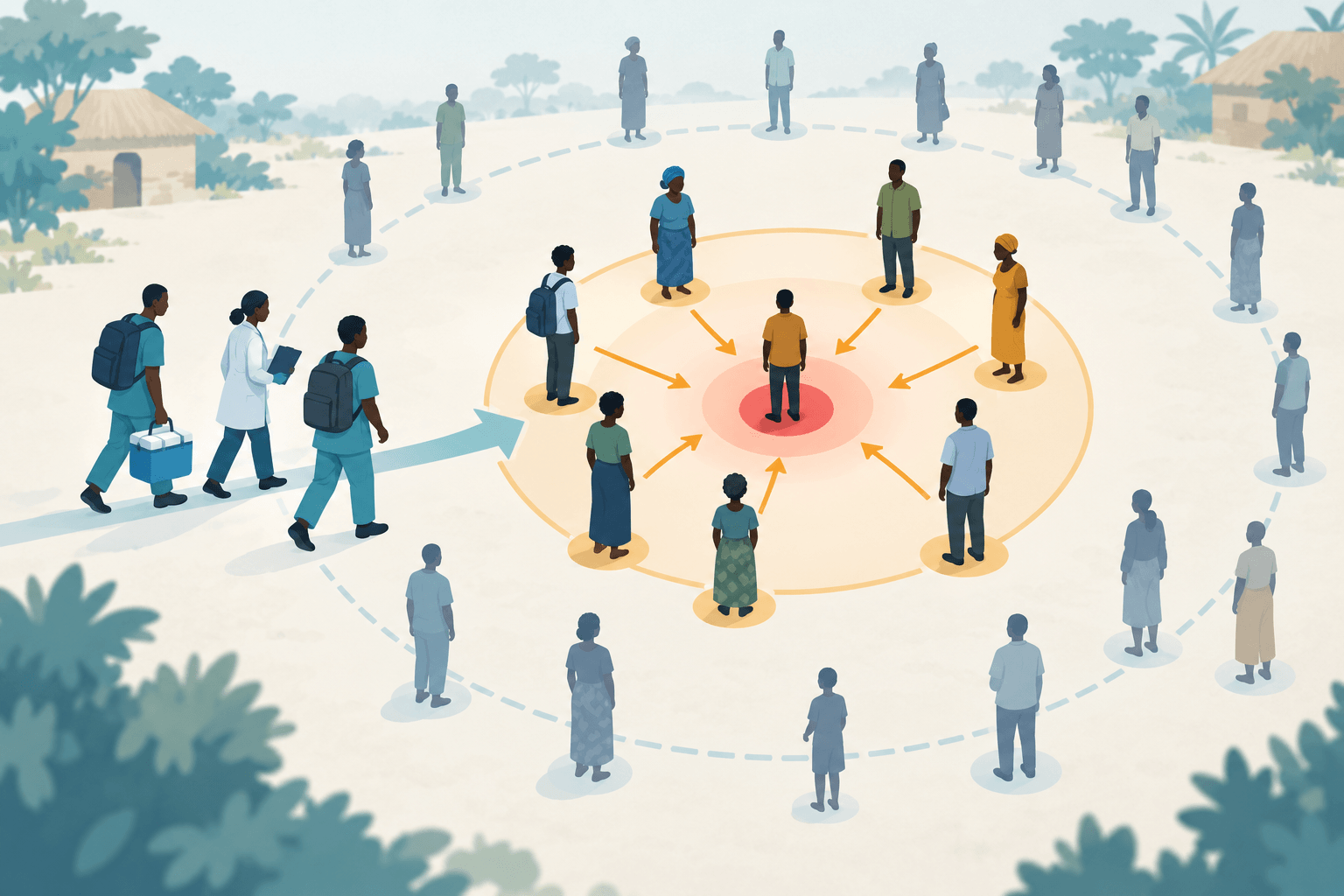
Illustration: AI-generated artwork for context; it does not show the real Tumaini trial.
The first participant in a new Ebola vaccine trial was vaccinated in Bunia, eastern Democratic Republic of the Congo (DRC), on 23 October. The government-led Tumaini study is designed to test whether candidate vaccines can protect people against Bundibugyo virus, the strain driving the current outbreak. Its launch is a research milestone, not evidence that a vaccine already works against this strain or is approved for general use.
What is the Tumaini trial testing?
Tumaini is an adaptive Phase 2/3 platform trial: researchers can assess several vaccine candidates within one framework. The first candidate to enter is Ervebo, a vaccine licensed for Ebola virus (the Zaire species). Two Bundibugyo-specific candidates, developed by Moderna and by the University of Oxford with the Serum Institute of India, are expected to join after further preparations, according to the Coalition for Epidemic Preparedness Innovations (CEPI).
The distinction between the virus species matters. The World Health Organization (WHO) says there is no licensed vaccine for Bundibugyo virus disease. Ervebo is licensed for a different Ebola species. Animal studies suggest it might offer some protection against Bundibugyo, but WHO says evidence is not yet sufficient to know whether it protects people or how much protection it could provide. WHO recommends its use against this strain only within a research protocol while human evidence is generated.
How ring vaccination works
The study uses ring vaccination, which focuses on people at higher risk because they have had contact with a confirmed case. Researchers can then follow participants and compare outcomes to assess how well a candidate works. It is a targeted research approach during an outbreak, not a blanket vaccination programme for everyone in an affected area.
The trial is intended to evaluate safety, immune response and efficacy. CEPI says the platform can add candidates as they are ready, so the next key milestones are their entry into the study and the publication of results. No efficacy result has been reported from Tumaini yet.
Why the trial matters now
The trial began as the outbreak continued to spread. In its 23 October update, WHO reported 9,704 confirmed cases and 4,687 deaths in the DRC as of 20 October, across 66 health zones in eight provinces. WHO also reported nine cases in Kenya and an imported case in Nigeria, while investigations into the source of that Nigerian case continued. Those are dated outbreak figures and can change as authorities update their reports.
For readers following the regional response, CrispNG has also explained why Nigeria has not cancelled public gatherings after its Ebola case. WHO’s outbreak notice says it advises against restrictions on travel to or trade with affected countries; individual travellers should follow current official health and travel guidance.
What should readers take from the first dose?
The first vaccination shows that the trial has moved from planning into enrolment. It does not show that Ervebo prevents Bundibugyo infection, and the candidates developed specifically for this virus have not yet entered the trial. The purpose of Tumaini is to answer those questions with evidence while the outbreak response continues.
For now, the most useful updates to watch are which candidates are added, how the study reports safety and immune-response findings, and when researchers can provide reliable efficacy results. Until then, claims that a Bundibugyo vaccine has been proven or approved would go beyond the evidence.
Sources
- CEPI: first participant vaccinated in the Tumaini Phase 2/3 trial
- WHO: Bundibugyo outbreak update, 23 October 2026
- WHO: Ebola vaccine questions and answers
- AFP: Tumaini trial launch and candidate vaccines
- Bloomberg: trial launch and candidate pipeline