

Why Nigeria Hasn’t Cancelled Gatherings After Its Ebola Case

Illustrative image
Nigeria has not cancelled planned public gatherings after confirming one imported Ebola case. The government says current evidence does not justify a change. New findings could lead officials to revise that advice. What do health teams know, and what could change the decision?
Health Minister Muhammad Ali Pate spoke in Abuja on 22 October. He said authorities had no public-health reason to alter planned events. Experts would guide any future review. WHO reported one confirmed case and 44 contacts under monitoring. The patient remains in isolation and receives medical care.
Ebola case in Nigeria: Why gatherings continue
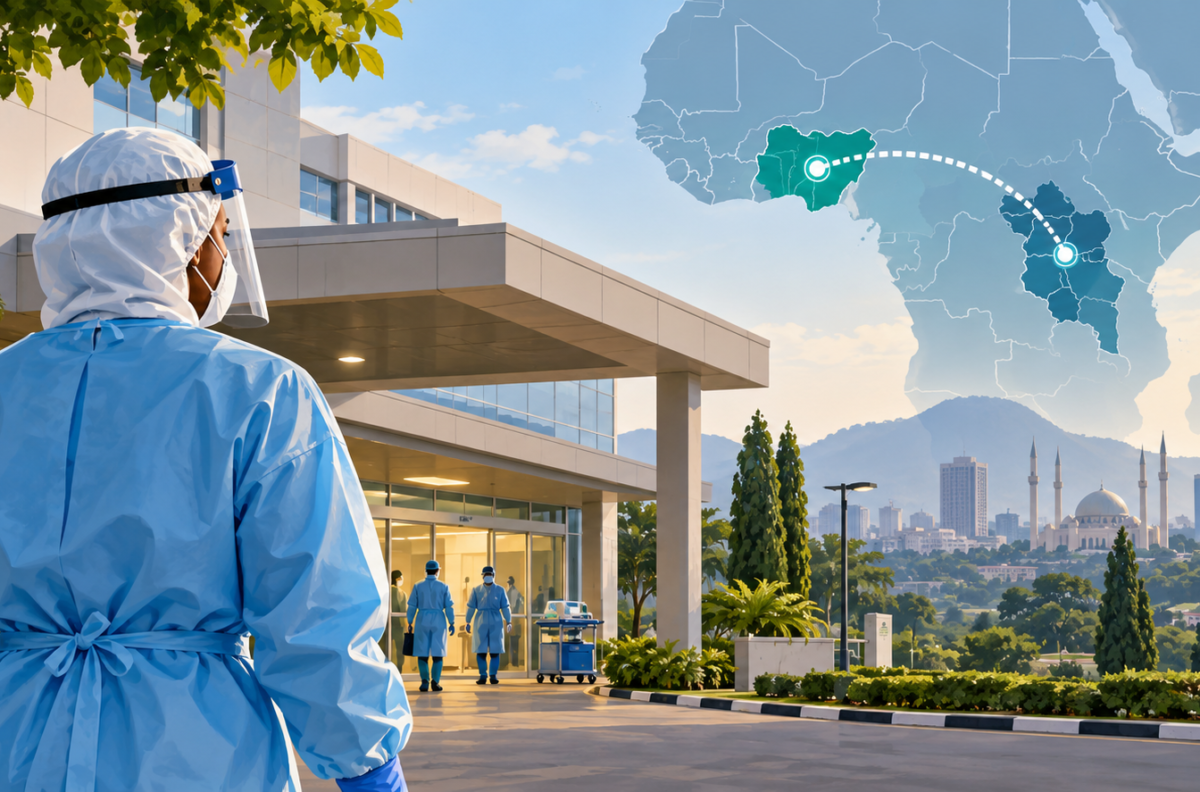
Officials have confirmed one case. They have not reported a chain of community infections. WHO calls the case imported. Investigators continue to trace the patient’s exposure and travel history. One case requires urgent action. However, it does not prove that Ebola is spreading through Nigerian communities.
Pate did not announce a set number of cases that would automatically stop events. Instead, he said authorities would review new evidence and consult experts. This makes the current advice conditional. Officials could change their position if the facts change.
What the 2014 response can teach
Nigeria faced a different Ebola outbreak in 2014. An infected traveller arrived in Lagos from Liberia in July. Health teams later tracked cases in Lagos and Port Harcourt. WHO recorded 19 confirmed cases and one probable case. Eight people died. Nigeria declared the outbreak over on 20 October 2014. At that point, 42 days had passed without a new case.
That history shows why quick diagnosis, safe treatment and contact tracing matter. But it cannot predict today’s outcome. The current case involves Bundibugyo virus. Nigeria’s 2014 outbreak involved another Ebola virus species. Investigators still need to establish the likely source of today’s infection.
For background, read CrispNG’s earlier explainer on Nigeria’s Ebola preparedness.
What could change the public advice?
The minister has not published one automatic trigger for cancelling gatherings. Officials could reassess if they find more cases or linked infections. Gaps in contact monitoring could also matter. These are factors to watch, not predictions. Authorities say they will consult public-health experts before changing recommendations.
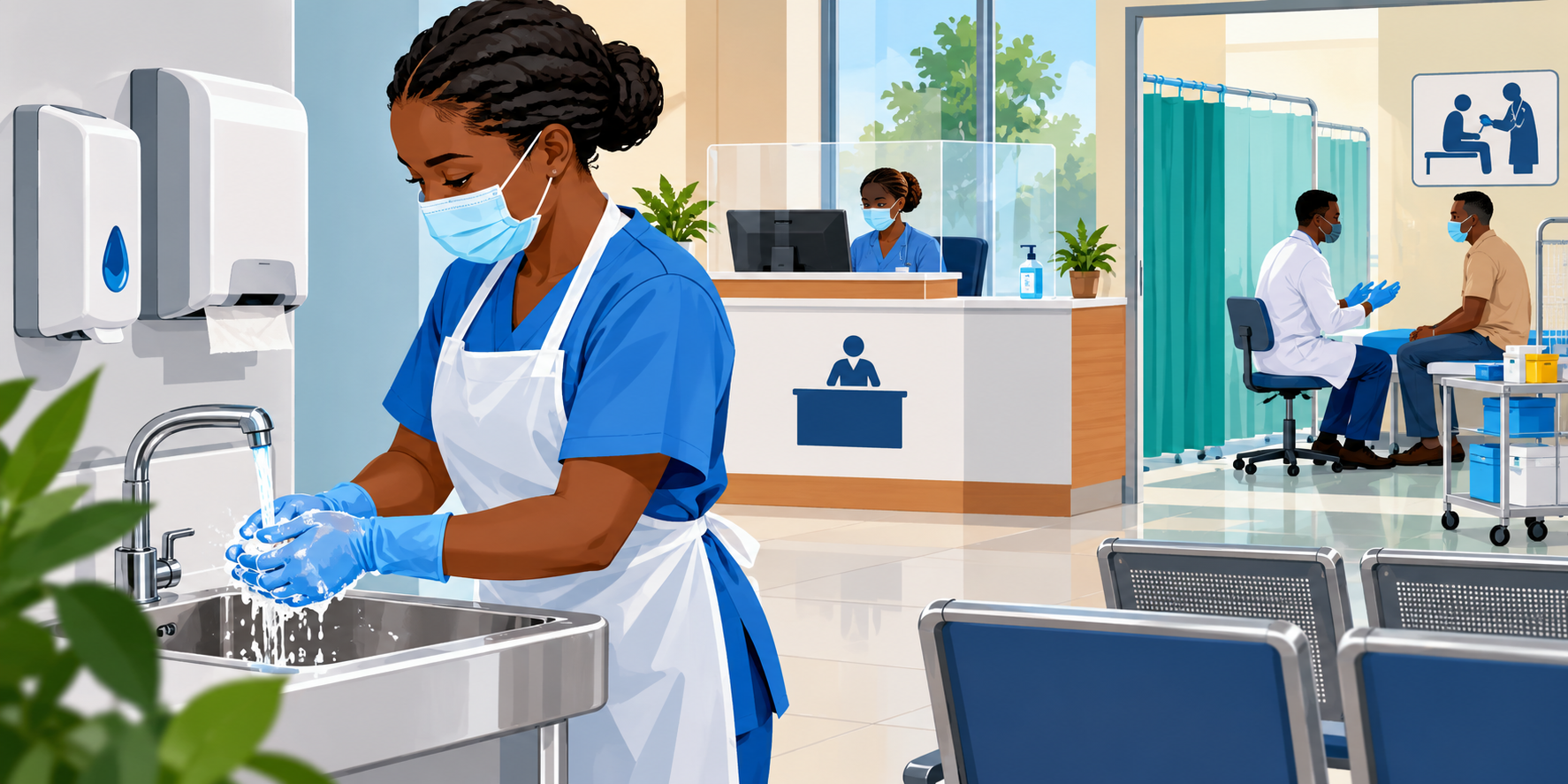
WHO said Nigeria had identified 44 contacts. NCDC guidance calls for daily follow-up for 21 days after a contact’s last exposure. This monitoring helps health teams spot symptoms early. It does not mean every contact has Ebola.
What Nigerians can do now
Follow updates from NCDC and the Federal Ministry of Health. If health teams identify you as a contact, follow their instructions. Avoid contact with the blood or body fluids of anyone who is ill. If you have a known exposure and feel unwell, contact health authorities promptly.
The key question is whether surveillance finds linked cases. For now, officials advise vigilance and cooperation. Do not assume every event is risk-free. But do not treat one confirmed case as proof of a nationwide outbreak.
Sources
- WHO: Nigeria confirms an imported Ebola Bundibugyo case
- Premium Times: Government position on gatherings, 22 October 2026
- WHO: Nigeria’s 2014 Ebola response
- NCDC: Ebola surveillance and contact-tracing guidance