

Regular health checks can help identify potential problems early, monitor existing conditions and give you a clearer picture of your overall wellbeing. The tests you need and how often you should have them depend on factors such as your age, family history, lifestyle and medical risk.
For adults in Nigeria, making preventive healthcare part of an annual routine can be a useful starting point. Here are 10 health checks worth discussing with a qualified healthcare professional.
1. Blood Pressure Check

Blood pressure checks are among the simplest and most important ways to monitor your health.
High blood pressure, also known as hypertension, can increase the risk of heart disease, stroke and kidney problems. It is often called a silent condition because many people do not experience noticeable symptoms until complications develop.
Adults should have their blood pressure checked regularly, even when they feel healthy. People aged 40 and above, those who are overweight and individuals with a family history of hypertension may need more frequent monitoring.
If a reading is unusually high, a healthcare professional may recommend additional measurements at home or with a monitoring device before confirming a diagnosis.
2. Blood Sugar Test
A blood sugar test helps determine how much glucose is present in your blood. It can help identify diabetes or prediabetes, a condition in which blood sugar levels are higher than normal but not yet within the diabetes range.
Type 2 diabetes can develop gradually, and some people may have it without recognising the symptoms.
Common screening options include:
- Fasting blood glucose: Measures blood sugar after a period without eating.
- HbA1c test: Estimates average blood sugar levels over approximately three months.
- Oral glucose tolerance test: Measures how the body processes glucose after a specific drink.
Adults with excess body weight, a family history of diabetes, high blood pressure or other risk factors should discuss screening with a healthcare professional. The appropriate test and frequency depend on individual risk and previous results.
3. Cholesterol and Lipid Profile Test
A lipid profile measures different types of fats in your blood, including total cholesterol, LDL cholesterol, HDL cholesterol and triglycerides.
High levels of LDL cholesterol and certain other blood fats can contribute to the buildup of fatty deposits in the arteries. Over time, this can increase the risk of heart attacks and strokes.
A cholesterol test can help identify these risks before symptoms appear. It is particularly worth discussing if you have a family history of heart disease, diabetes, hypertension, obesity or a history of smoking.
Your doctor can use the results alongside other information, such as your age, blood pressure and medical history, to assess your cardiovascular risk and determine whether lifestyle changes or treatment may be necessary.
4. Weight, Body Mass Index and Waist Measurement
Monitoring your weight can provide useful information about changes in your health over time.
A healthcare professional may calculate your Body Mass Index (BMI) using your height and weight. Waist circumference can also help assess abdominal fat, which is associated with an increased risk of conditions such as type 2 diabetes and cardiovascular disease.
However, BMI is not a complete measure of health. It does not directly distinguish between muscle and fat or show how body fat is distributed.
Rather than focusing only on the number on a weighing scale, consider discussing your weight, waist measurement, eating habits and physical activity with a healthcare professional.
5. Cervical Cancer Screening
Cervical cancer screening is an important preventive health check for women, particularly those within the recommended screening age range.
The disease is commonly associated with persistent infection with certain high-risk types of the human papillomavirus (HPV). Screening can identify HPV infections or early cell changes before they develop into cancer.
Available screening methods include HPV testing and visual inspection with acetic acid (VIA), depending on the healthcare facility and applicable guidelines.
Nigeria’s 2025 national cervical cancer screening guidelines recommend primary HPV testing for women in the general population, beginning at age 30. The guidelines recommend screening twice by ages 35 and 45 for the general population, with different schedules for women living with HIV and other risk groups.
Women should speak with a healthcare professional about the appropriate screening method and schedule. Having received the HPV vaccine does not automatically remove the need for recommended screening.
READ ALSO: Feeling Overwhelmed? 10 Affordable Ways to Manage Everyday Stress
6. Breast Health Examination

Breast health checks can help identify unusual changes that may require further medical investigation.
Women should become familiar with the normal appearance and feel of their breasts so they can recognise changes such as:
- A new lump or thickening in the breast.
- Changes in breast size or shape.
- Unusual nipple discharge.
- Nipple changes, including inversion.
- Changes in the skin, such as dimpling or persistent redness.
A clinical breast examination involves a healthcare professional checking the breasts for unusual changes. Mammography uses X-rays to examine breast tissue and can help detect abnormalities that may not be felt during a physical examination.
Nigeria’s National Cancer Control Programme provides guidance on breast examinations and mammography for women in different age groups. Women with a family history of breast cancer or other risk factors may need earlier or more specialised assessment.
Do not wait for a routine appointment if you notice a new or persistent breast change.
7. Prostate Health Assessment
Prostate health becomes an increasingly important consideration as men grow older.
The prostate is a small gland located below the bladder. Conditions affecting it include benign prostate enlargement, inflammation and prostate cancer.
A prostate-specific antigen (PSA) blood test measures the level of PSA in the blood. Elevated levels may be associated with prostate cancer, but they can also occur because of non-cancerous conditions.
Men should discuss prostate health with a healthcare professional, particularly from age 40 onwards or earlier if a close relative has had prostate cancer.
A PSA test is not automatically necessary for every man. Its potential benefits, limitations and possible follow-up procedures should be discussed before deciding whether to have one.
Difficulty urinating, frequent nighttime urination, blood in the urine or other persistent urinary changes should also be evaluated rather than dismissed as normal ageing.
8. Colorectal Cancer Screening
Colorectal cancer affects the colon or rectum and may develop without obvious symptoms in its early stages.
Screening can identify abnormal growths, including polyps that may become cancerous over time. It can also help detect cancer before symptoms become severe.
Common screening options include:
- Faecal immunochemical test (FIT): Checks stool samples for traces of blood.
- Faecal occult blood test (FOBT): Detects hidden blood in stool.
- Colonoscopy: Allows a specialist to examine the inside of the colon and remove certain polyps.
Adults aged 45 and above should discuss colorectal cancer screening with a healthcare professional. People with a family history of the disease, inflammatory bowel disease or other risk factors may need to start earlier.
The appropriate screening method and frequency depend on individual circumstances and local clinical guidance.
9. Eye Examination
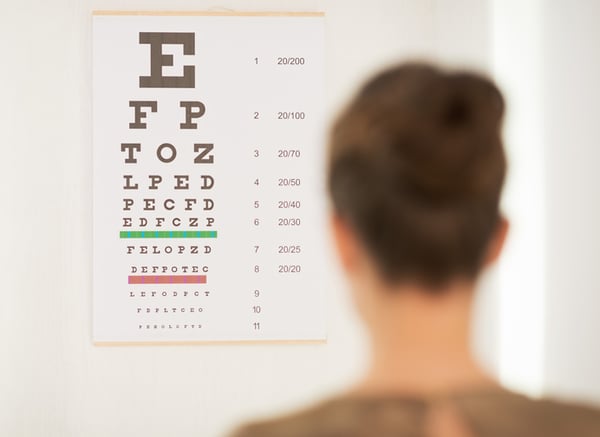
Your eyesight can change gradually, making it easy to overlook developing problems.
An eye examination can assess your vision and help identify conditions such as glaucoma, cataracts and other eye disorders. Some conditions may cause little or no discomfort in their early stages.
People who wear glasses or contact lenses should have their prescriptions reviewed when necessary. Adults with diabetes or high blood pressure may also require more frequent eye assessments because these conditions can affect eye health.
The recommended frequency depends on your age, existing vision problems, medical history and risk factors.
If you experience sudden vision loss, severe eye pain, flashes of light or a sudden increase in floaters, seek urgent medical attention rather than waiting for a routine appointment.
10. Dental Examination

Dental health is an important part of general wellbeing, but it is often neglected when people think about routine medical checks.
A dental examination can help identify tooth decay, gum disease, infections and other problems before they become more serious.
Gum disease may cause bleeding, swelling, persistent bad breath and, in advanced cases, tooth loss. Regular dental visits can help identify these problems and provide appropriate treatment.
Your dentist may also recommend professional cleaning, depending on the condition of your teeth and gums.
The frequency of dental visits depends on your oral health and individual risk. People experiencing persistent tooth pain, bleeding gums, mouth sores or swelling should arrange an assessment rather than waiting for their next routine visit.
How to Make Routine Health Checks Part of Your Lifestyle
Knowing which checks to consider is only one part of preventive healthcare. Making them part of your routine requires some planning.
Here are a few practical steps:
- Schedule an annual health review: Discuss your health history, lifestyle and screening needs with a healthcare professional.
- Keep records of previous results: Store laboratory reports and examination results so changes can be monitored over time.
- Know your family medical history: Find out whether close relatives have experienced conditions such as diabetes, hypertension or certain cancers.
- Follow recommended screening intervals: Not every test needs to be repeated every year. Follow the schedule appropriate for your age and risk.
- Do not ignore unusual symptoms: Seek medical attention when you notice persistent or unexplained changes in your health.
- Stay up to date with vaccinations: Ask about vaccines recommended for your age, medical history and exposure risks.