Nigeria’s 2,151 South Africa Evacuees: Who Paid for the Returns?

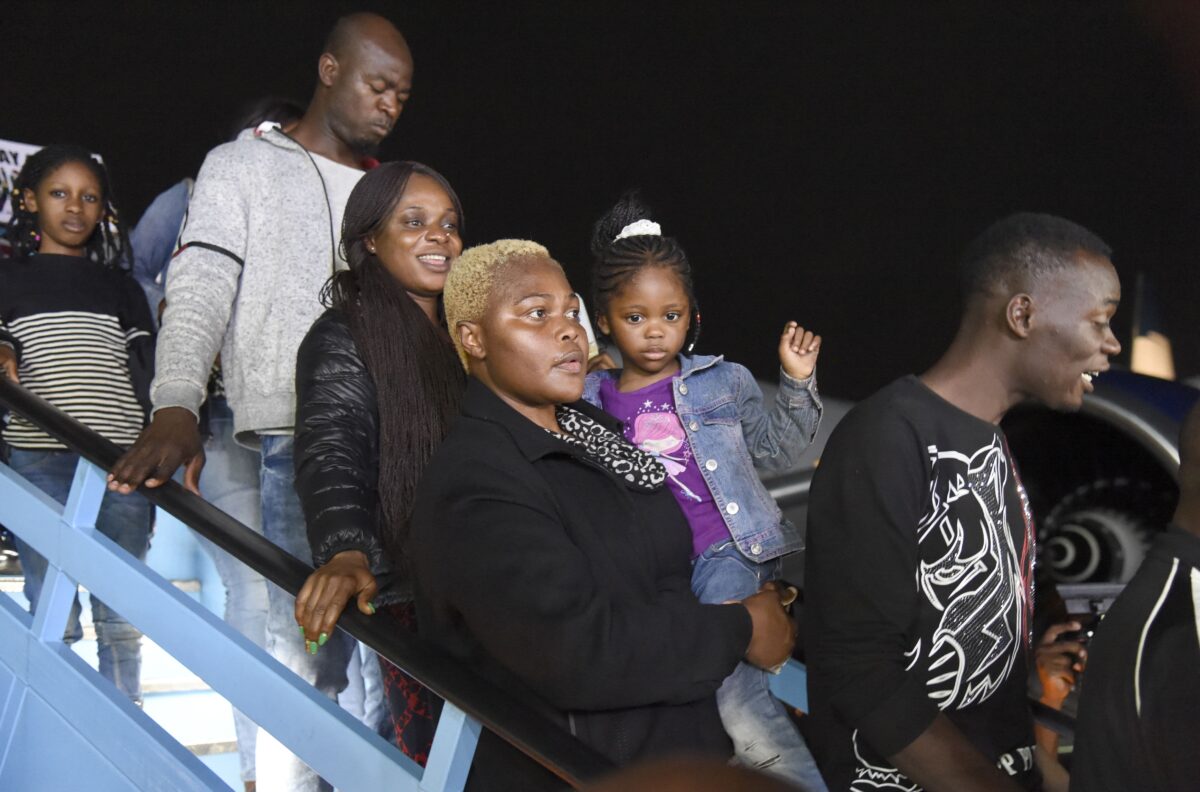
Nigerians seek evacuation amid South Africa tensions. Image Credit: PIUS UTOMI EKPEI/AFP/AFP/Getty Images
The number of Nigerian evacuees from South Africa has reached 2,151 since the consular exercise began in June, the Ministry of Foreign Affairs says. The latest batch of 114 arrived in Lagos on October 22.
The new total answers one question — how many people have returned under the exercise — but leaves another open: how much has been funded by government, and how much by private donors?
What happened on the latest flight
The 114 returnees comprised 57 men, 23 women and 34 children. They arrived aboard South African Airways flight SA060 at about 8:30 p.m. on Thursday, October 22, according to the ministry’s October 23 release. Officials from Foreign Affairs, the National Emergency Management Agency and the Nigeria Immigration Service received them.
The ministry called this the 16th consular evacuation since the exercise began on June 10. The release says the returnees were evacuated amid concerns over xenophobic and Afrophobic attacks in South Africa; it does not say that every passenger was personally attacked.
How funding for Nigerian evacuees from South Africa adds up
The ministry said the latest tickets were paid from a $265,854 donation by the Redeemed Christian Church of God (RCCG), made to support the evacuation of 500 distressed Nigerians. Including this latest group, the church has funded 432 returnees — 68 short of that stated target.
The government says it fully funded the return of 1,388 nationals. Together, the 1,388 government-funded and 432 RCCG-funded returnees account for 1,820 of the 2,151 total. The ministry’s release does not identify the funding source for the other 331. That gap in the statement is not evidence of missing funds; it means the published breakdown is incomplete.
The categories also matter: the 432 is the church’s cumulative total, not an additional number to add on top of the 2,151. The latest 114 are already included in it.
What the total does not tell us
The total counts people returned through the consular exercise. It is not a count of all Nigerians who remain in South Africa, nor does it show how many people have requested help or how many returnees were directly affected by violence. The ministry has not provided those figures in this release.
For Nigerians still in South Africa, the government advises people to remain vigilant, follow local laws and keep in contact with the Nigerian High Commission in Pretoria or the Consulate General in Johannesburg for consular assistance.
The evacuation has grown from the early registration stage described in CrispNG’s May report on Nigerians seeking a return. It also sits alongside later diplomatic steps covered in our report on Nigeria’s suspension of official parliamentary visits. Those developments show the relationship has several tracks: consular support, public diplomacy and engagement with South African authorities.