

Chris Brown’s Major Legal Cases: From Rihanna Assault to 2026 London Sentence

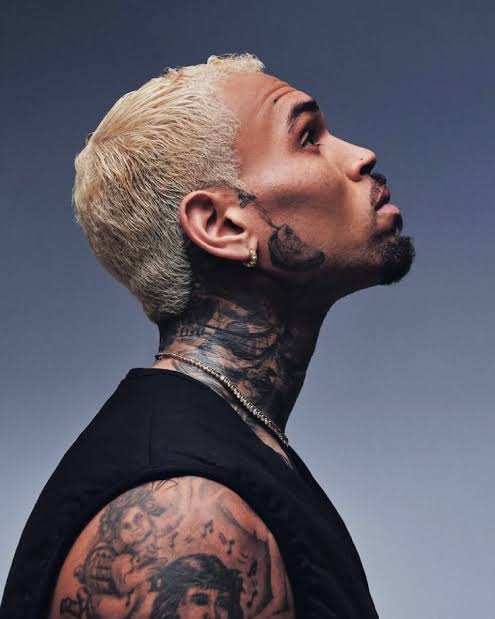
American R&B singer Chris Brown has faced several legal cases over the years, including assault convictions, arrests and civil lawsuits. His latest case ended on Monday, October 26, 2026, when a London court sentenced him to eight months in prison, suspended for 12 months, over a nightclub attack.
Brown, 37, remains one of the most commercially successful R&B artists of his generation. However, his career has repeatedly intersected with legal controversies, beginning with his 2009 assault conviction involving fellow singer Rihanna.
Here are five major episodes that explain his legal history.
1. 2009: Chris Brown’s assault conviction involving Rihanna
Brown’s most widely known legal case began in February 2009, when he assaulted his then-girlfriend, Rihanna, before the Grammy Awards.
The incident left Rihanna with visible facial injuries and led to criminal charges against Brown.
In June 2009, Brown pleaded guilty to one felony count of assault. A court sentenced him to five years of probation, community labour and a year of domestic violence counselling.
The conviction significantly damaged his public image. It also became a recurring subject of public discussion as he continued releasing music and performing.
In March 2015, a judge formally ended his probation after he completed the requirements of his sentence.
2. 2013–2014: Washington assault case and jail time
In October 2013, Brown was arrested following an altercation outside a hotel in Washington, DC.
The incident initially led to a felony assault charge, which was subsequently reduced to simple assault. Brown later pleaded guilty to the misdemeanour offence in September 2014 and received a sentence of time served.
The case also affected his existing probation in the Rihanna assault matter.
In May 2014, a Los Angeles judge sentenced Brown to one year in jail after he admitted violating his probation. He received credit for time already spent in custody and treatment and was released in June 2014.
The episode demonstrated how a new legal case could trigger additional consequences under an existing sentence.
3. 2017: Karrueche Tran obtains a restraining order
In 2017, model and actress Karrueche Tran obtained a restraining order against Brown after making allegations of threats and abuse.
Tran’s court filings described alleged threats and previous incidents of physical violence during their relationship.
A judge granted the protective order, requiring Brown to stay away from Tran and avoid contacting her.
The case involved a civil protective order rather than a new criminal conviction. The distinction matters because allegations presented in protective-order proceedings should not automatically be described as criminal findings.
Nevertheless, the proceedings brought renewed attention to Brown’s history of legal controversies.
4. 2019: Arrest in Paris over rape allegations
In January 2019, French authorities detained Brown in Paris following a woman’s allegation of rape.
The case attracted international attention because of the singer’s celebrity status and previous legal history.
Brown was released without formal charges being brought against him at that time. He subsequently denied the allegations.
The episode is an important distinction in his legal timeline: an arrest or investigation does not establish guilt, and the Paris case did not result in a criminal conviction against Brown.
5. 2023–2026: London nightclub attack and suspended sentence
Brown’s latest major legal case arose from an incident at Tape nightclub in London’s Mayfair district on February 19, 2023.
The singer attacked music producer Abraham ‘Abe’ Diaw with a glass tequila bottle, striking him four times, including twice on the head, according to evidence presented in court.
Brown’s vocal coach, rapper Omololu Akinlolu, also participated in the attack.
Diaw received hospital treatment for a head injury and knee injuries. Prosecutors initially pursued more serious charges against Brown, including assault and attempting to cause grievous bodily harm.
In July 2026, Brown and Akinlolu pleaded guilty to affray. The more serious charges were subsequently dropped.
On October 26, 2026, Southwark Crown Court sentenced Brown to eight months in prison, suspended for 12 months. Akinlolu received a four-month suspended sentence.
Judge Tony Baumgartner described the attack as serious violence and warned that using a glass bottle against someone’s head carried the risk of more severe injury.
The judge also considered Brown’s guilty plea, compliance with bail conditions and low assessed risk of reoffending when deciding the sentence.
The suspended sentence means Brown will not immediately serve the eight-month prison term, provided he complies with the applicable conditions. The sentence does not erase his guilty plea or the court’s findings.
What Brown’s legal history reveals
Brown’s legal history includes criminal convictions, probation violations, arrests and allegations that did not result in convictions. These outcomes should not be treated as interchangeable.
The London case nevertheless adds another conviction to a timeline that began with the 2009 assault case involving Rihanna.
His continued commercial success alongside these controversies raises broader questions about the relationship between celebrity, accountability and public reputation.
For now, the London sentence marks the latest legal consequence in Brown’s career, with the 12-month suspension period determining whether he will have to serve the prison term.