

UK budget: Could pension tax relief cost £500m a year as state pension exceeds tax-free limit?

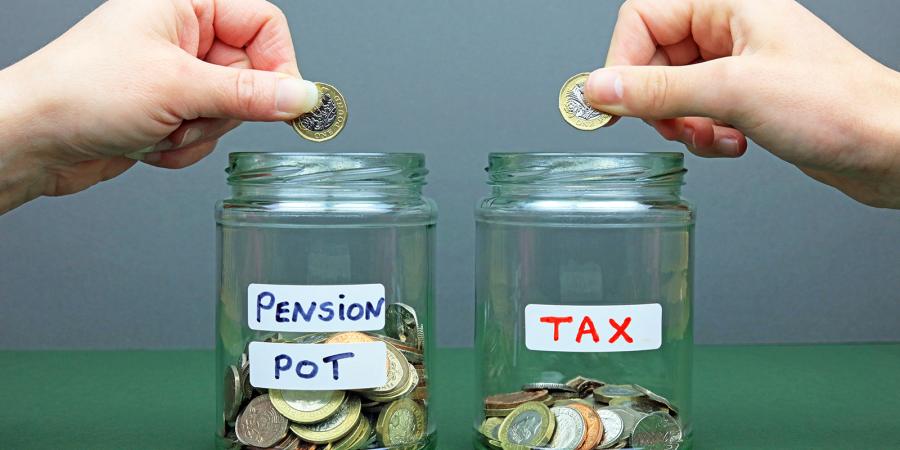
UK Pension tax relief could cost £500m a year by 2035.
The UK Government’s plan to protect lower-income pensioners from income tax could cost taxpayers as much as £500 million annually by 2035, raising fresh questions about the long-term affordability and fairness of the proposed Budget measure.
The plan is intended to prevent nearly one million retirees from being drawn into income tax as the state pension rises above the frozen personal allowance. However, pension experts have warned that the proposed solution could become increasingly expensive, complicate the tax system and create new financial disadvantages for people with incomes just above the qualifying threshold.
Chancellor John Healey is expected to address the issue in his first Budget, with the full state pension projected to increase by £489, or 3.9 per cent, to £13,036 a year.
That would put the annual pension above the current £12,570 personal allowance, the amount individuals can earn before paying income tax. Unless the Government introduces relief, pensioners whose income crosses that threshold could face tax bills for the first time.
Why UK pensioners could start paying income tax
The issue stems from the combination of rising state pension payments and a personal allowance that has remained frozen at £12,570 until the beginning of the next decade.
The state pension is expected to rise in line with average earnings under the triple lock, a policy designed to protect pensioners’ incomes. The projected increase to £13,036 would mean that people receiving the full state pension could exceed the tax-free threshold through their pension income alone.
The change could affect almost one million retirees, according to the report, potentially leaving some with income-tax liabilities despite relying primarily on their state pension.
The Government is considering an administrative solution to prevent lower-income pensioners from paying tax on the amount that takes their income above the threshold.
The Treasury has reportedly asked HM Revenue and Customs (HMRC) to find a way to write off small tax bills. The measure is estimated to cost around £200 million by the end of the decade, although the longer-term cost could be considerably higher.
UK Budget pension tax relief could cost £500m annually
Former pensions minister Sir Steve Webb has warned that the proposed arrangement could become significantly more expensive as state pension payments continue to rise.
Webb, now a partner at pension consultancy LCP, estimated that the annual cost could reach £500 million by 2035.
His projection assumes earnings growth of 3.5 per cent a year and inflation remaining close to the Bank of England’s 2 per cent target.
Under those assumptions, the cost would increase approximately fivefold within seven years, creating a potentially lasting financial commitment for the Government.
The concern is that the personal allowance could remain unchanged while the state pension continues to increase. Each annual pension rise would widen the gap between the two figures, potentially leaving more retirees dependent on the proposed tax relief.
Webb also warned that the situation exposed a policy problem for the Government: the state pension could exceed the income-tax threshold even as ministers seek to protect pensioners from rising living costs.
Pension tax exemption could create a new income threshold problem
The proposed relief has also raised concerns about fairness, particularly if eligibility depends on keeping total income below a specific limit.
Webb warned that pensioners earning just above the full state pension could face disproportionately large tax bills compared with those whose income falls just below the qualifying threshold.
Such a situation could create what economists describe as a tax “cliff edge”, where a small increase in income triggers a much larger financial disadvantage.
The arrangement could also influence retirement decisions. Webb cautioned that some pensioners with small private pension pots might be tempted to withdraw their savings early to remain eligible for the relief.
That could provide a short-term tax advantage while leaving them with fewer resources later in retirement.
The concern is particularly relevant to pensioners whose finances combine the state pension with modest private pension income or other retirement savings.
READ ALSO
Economists question why pensioners should receive special tax treatment
Martin Beck of WPI Strategy has also criticised the proposed approach, arguing that a separate concession for pensioners could make an already complicated tax system more difficult to navigate.
He questioned why a pensioner receiving £13,036 annually should pay no income tax while a working person earning the same amount could face a tax liability.
The criticism highlights a wider debate over whether tax relief should be determined by age or retirement status, or whether the personal allowance should provide consistent treatment for people on similarly modest incomes.
Supporters of the measure may argue that pensioners face particular financial pressures and have limited opportunities to increase their earnings. Critics, however, say that low-paid workers also face high living costs and should not be disadvantaged solely because they remain in employment.
The debate could put pressure on the Government to explain how it intends to balance pensioner support with the broader principles of fairness and simplicity in the tax system.
Which pensioners could qualify for the proposed tax relief?
The reported plans have expanded beyond pensioners receiving only the basic or new state pension.
According to the report, officials have broadened the proposed eligibility to include people receiving the old basic state pension alongside additional income from the State Earnings-Related Pension Scheme (SERPS) or a private pension, provided their total income remains below the relevant threshold.
The final eligibility rules, including the precise income limit and how the relief would be administered, remain subject to official clarification.
The Treasury declined to comment on the proposal.
Pensioners should not assume that the reported arrangement is already in force or that every retiree will automatically qualify. The final Budget announcement and subsequent HMRC guidance will be important in establishing how the policy works.
What the pension tax dispute means for the UK Budget
The proposed exemption illustrates the financial consequences of allowing the state pension to rise while keeping the personal allowance frozen.
Without a change in policy, more pensioners could become liable for income tax even if their income comes mainly from the state pension. Introducing a special exemption could protect some retirees, but it could also create new administrative costs and eligibility disputes.
The Government will need to clarify whether its approach is a temporary measure to address the immediate threshold problem or a longer-term commitment that expands alongside future pension increases.
The decision will also have implications for people approaching retirement, pensioners with private savings and low-paid workers who may question why similar income levels receive different tax treatment.
With the annual cost potentially reaching £500 million by 2035, the proposal is likely to attract scrutiny over how the Government funds pensioner support while maintaining a tax system that treats people on comparable incomes fairly.
Frequently asked questions about UK Budget pension tax and personal allowance
Will pensioners pay income tax on the state pension in the UK?
Pensioners can be liable for income tax when their total taxable income exceeds the personal allowance. The full state pension is projected to rise to £13,036 a year, above the current £12,570 allowance, potentially creating tax liabilities for some retirees unless relief is introduced.
What is the UK personal allowance for 2026?
The personal allowance cited in the Budget report is £12,570 a year. It is the amount an individual can generally receive in income before paying income tax, subject to applicable rules and circumstances.
How much will the UK state pension increase?
The full state pension is expected to rise by £489, or 3.9 per cent, to £13,036 annually, according to the report. The increase is linked to average earnings.
Will pensioners be exempt from income tax under the new Budget?
The Government is reportedly considering an administrative arrangement to prevent lower-income pensioners from paying small income-tax bills caused by the state pension exceeding the personal allowance. The final rules and eligibility requirements have not yet been confirmed in the report.
How much could the pension tax relief cost the UK Government?
The proposed arrangement is estimated to cost around £200 million by the end of the decade. Former pensions minister Sir Steve Webb has warned that the annual cost could rise to £500 million by 2035.
Which pensioners could qualify for the proposed tax exemption?
The reported plan could cover pensioners receiving the state pension alongside income from SERPS or a private pension, provided their total income remains below the relevant threshold. The Government has yet to confirm the final rules.
Will pensioners with private pensions qualify for the tax relief?
Some pensioners with private pension income could qualify under the reported proposal if their combined income remains below the eligibility threshold. The final policy details will determine how private pension income is treated.
Why are experts criticising the proposed pension tax relief?
Critics argue that the measure could become expensive, make the tax system more complicated and create unfair differences between pensioners and working people with similar incomes. They have also warned that a strict eligibility threshold could discourage some pensioners from increasing their income.