

Can Nigerians survive on ₦3,000 a day? Here is what to know About Reno Omokri’s claim

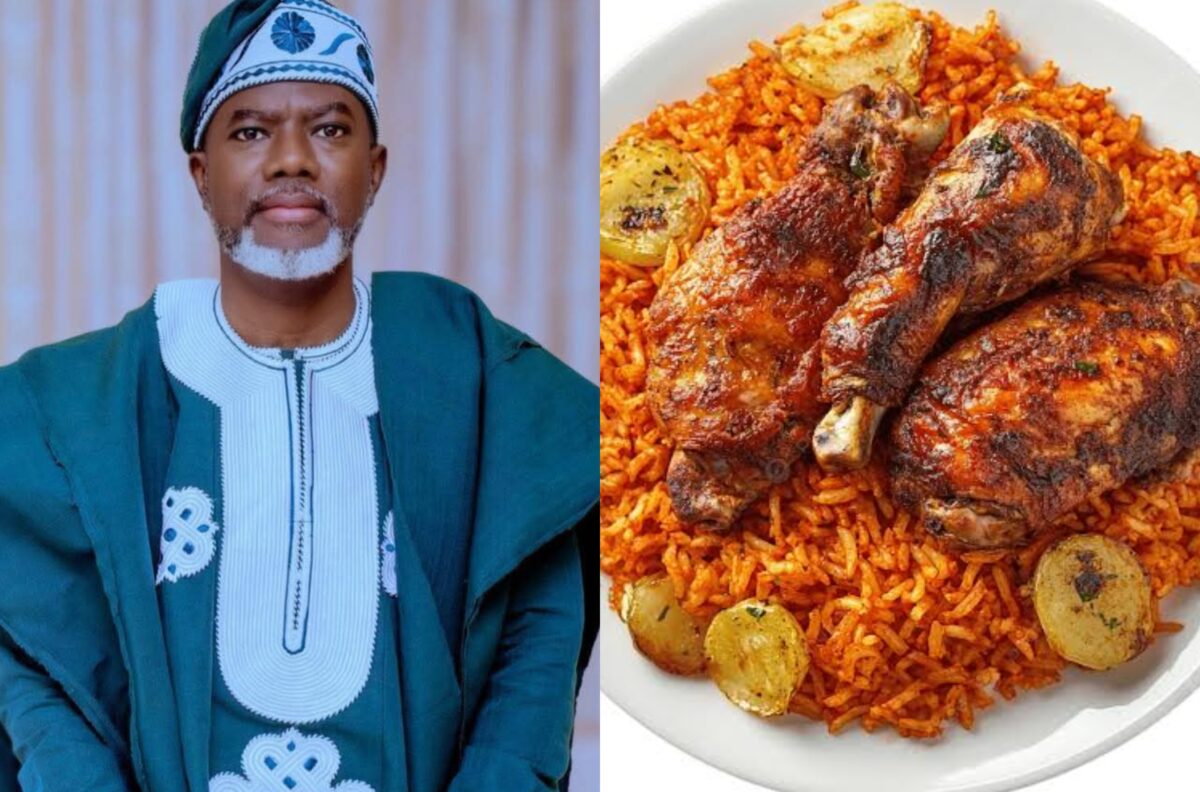
Nigeria’s Ambassador-designate to Mexico, Reno Omokri, has sparked a fresh debate after claiming that ₦3,000 can sustain an average Nigerian for one day.
The statement has generated strong reactions online, with many Nigerians questioning whether the amount is enough to cover food, transportation and other daily necessities amid rising inflation and declining purchasing power.
ALSO READ:
7 Foods That Can Help You Stay Full Longer
While ₦3,000 may provide a basic meal in some parts of the country, critics argue that it is unrealistic to describe the amount as sufficient for the average Nigerian, especially for people living in major cities or supporting families.
What Reno Omokri Said
Omokri’s comment appears to focus on the possibility of meeting basic daily needs with a limited amount of money. His position has, however, attracted criticism from Nigerians who say the cost of living has increased significantly.
For many households, daily expenses extend beyond food. They may include:
– Transportation to work or school
– Rent and utility payments
– Healthcare costs
– Communication and internet expenses
– School-related charges
– Food for children and other dependants
As a result, critics believe that measuring survival only by the cost of one meal does not reflect the complete economic reality faced by Nigerian households.
What Can ₦3,000 Buy?
The value of ₦3,000 varies depending on location, market prices and a person’s eating habits. In some areas, the money may buy a simple meal such as rice, beans, bread or a small portion of a local dish.
ALSO READ:
SPECIAL REPORT: How families are coping amid Nigeria’s biting inflation
However, the same amount may not be enough to cover three meals in a day. It could also be quickly exhausted by transportation costs, particularly for workers who commute long distances.
A person buying food from a restaurant may spend most of the money on one meal. Those cooking at home may be able to stretch it further, but this depends on whether they already have ingredients such as cooking oil, seasoning, rice or garri.
Why the Claim Has Sparked Debate
The debate reflects a wider disagreement over what it means to “survive” in Nigeria.
For some people, survival means being able to eat at least once a day. For others, it includes having access to adequate nutrition, transportation, healthcare, housing and a reasonable standard of living.
This difference in interpretation is at the centre of the controversy. Supporters of Omokri’s position may argue that a person can manage with ₦3,000 through careful budgeting. Opponents say managing for one day is not the same as living adequately.
Rising Cost of Living in Nigeria
Nigerians have faced increasing pressure from higher food prices, transportation costs and household expenses. Many families have responded by reducing the number of meals they eat, buying cheaper alternatives and limiting non-essential spending.
The impact is particularly severe for:
– Low-income workers
– Students
– Unemployed Nigerians
– Large families
– Pensioners
– People living in urban centres
Although some individuals may survive on ₦3,000 for a day, the amount may not provide a balanced diet or cover all essential expenses.
Can ₦3,000 Sustain an Average Nigerian?
The answer depends on several factors, including location, household size, income and spending habits.
A single person who cooks at home and has access to subsidised transport may be able to stretch ₦3,000. However, a worker paying daily transport fares or a parent caring for children may find the amount inadequate.
The claim also raises questions about poverty measurement. A person may technically survive on a small amount while still experiencing hunger, poor nutrition and financial insecurity.
Frequently Asked Questions
Can Nigerians survive on ₦3,000 a day?
Some Nigerians may manage to survive on ₦3,000 for a day, but the amount is unlikely to comfortably cover food, transportation and other essential needs.
Who said ₦3,000 can sustain an average Nigerian?
The claim was made by Reno Omokri, Nigeria’s ambassador-designate to Mexico.
What can ₦3,000 buy in Nigeria?
Depending on the location, ₦3,000 may buy a basic meal, food ingredients or transportation. However, prices differ widely across states and cities.
Is ₦3,000 enough for three meals?
For many Nigerians, ₦3,000 is not enough for three nutritious meals, especially when food is purchased from restaurants or street vendors.
Why are Nigerians criticizing the claim?
Many Nigerians believe the statement does not reflect current food prices, transportation costs and the expenses of supporting a family.
What is the main issue raised by the debate?
The debate centres on whether mere survival should be measured differently from having adequate food, healthcare, transportation and a decent standard of living.
Reno Omokri’s claim that ₦3,000 can sustain an average Nigerian for a day has renewed discussion about poverty, inflation and the rising cost of living.
While the amount may help some individuals meet their most basic needs, it does not necessarily provide a comfortable or nutritious daily life.
The debate shows that Nigerians are facing different economic realities, and any assessment of living costs must consider more than food alone.
The real question is not only whether ₦3,000 can help someone survive for a day, but whether it can support a healthy