

8 Common Online Scams and How to Avoid Them

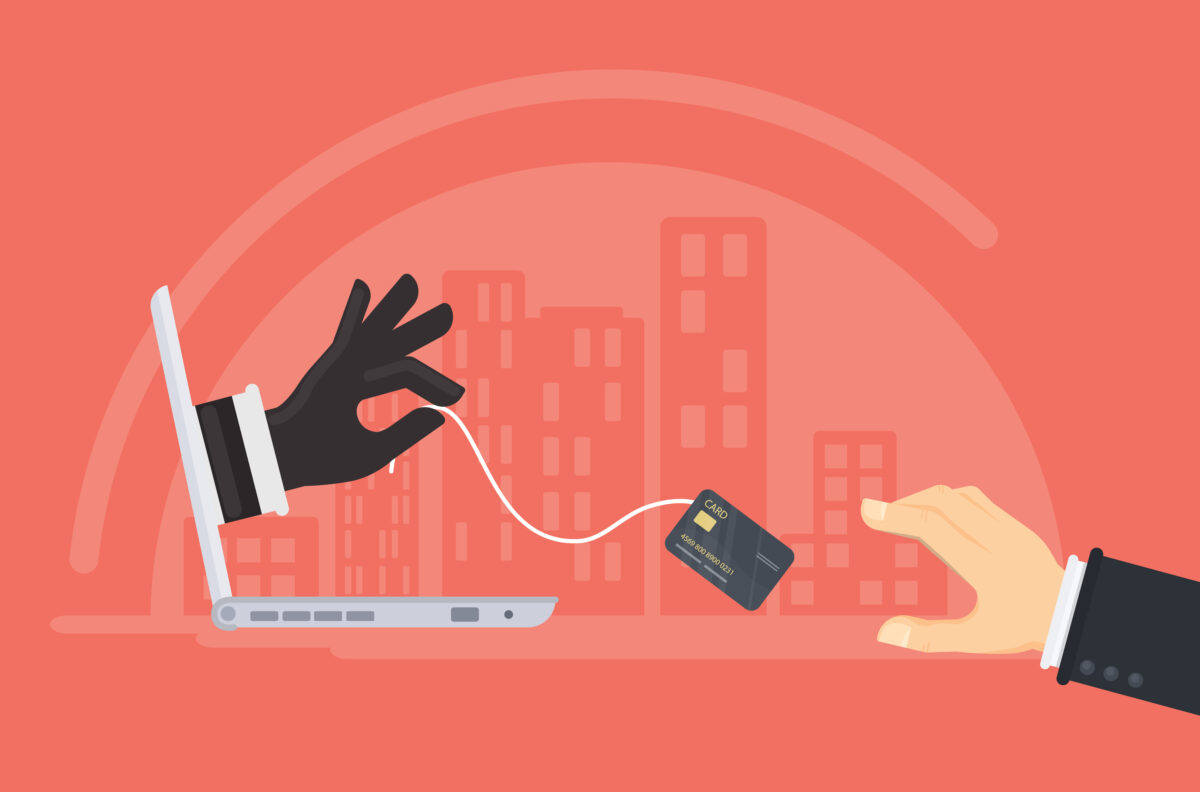
Top online scams in 2026 and how to stay safe
The internet has transformed communication, business, banking, and shopping, but it has also created new opportunities for cybercriminals. In 2026, online scams continue to evolve rapidly, targeting millions of unsuspecting users worldwide through fake messages, cloned websites, fraudulent investment schemes, and social engineering tactics.
From students and job seekers to business owners and retirees, virtually anyone can become a victim of online fraud. Experts warn that scammers are becoming increasingly sophisticated, using artificial intelligence, social media manipulation, and emotional pressure to deceive people into revealing sensitive information or sending money.
Understanding how these scams work is now essential for digital safety. Here are eight of the most common online scams in 2026 and practical ways to avoid becoming a victim.
1. Phishing Emails and Fake Messages
Phishing remains one of the most widespread forms of online fraud. Scammers send fake emails, SMS messages, or direct messages pretending to be banks, delivery companies, government agencies, or popular platforms.
These messages often contain urgent warnings such as account suspension notices, suspicious login alerts, or fake prize winnings. Victims are usually directed to fraudulent websites designed to steal passwords, banking details, or personal information.
How to Avoid It
- Never click suspicious links in emails or text messages.
- Verify the sender’s email address carefully.
- Avoid downloading unknown attachments.
- Visit official websites directly instead of using links sent through messages.
- Enable two-factor authentication on important accounts.
2. Fake Investment and Crypto Scams
Investment scams have exploded in recent years, especially involving cryptocurrency and forex trading platforms. Fraudsters promise unrealistic returns and use fake testimonials, manipulated screenshots, and celebrity endorsements to lure victims.
Many people lose significant amounts after investing in fraudulent schemes that disappear overnight.
How to Avoid It
- Be suspicious of guaranteed profits or “risk-free” investments.
- Research investment companies thoroughly before sending money.
- Avoid platforms that pressure you to invest quickly.
- Check for proper registration and regulation.
- Never share private wallet keys or passwords.
3. Romance and Dating Scams
Romance scams target people through dating apps and social media platforms. Scammers build emotional relationships with victims over weeks or months before requesting financial assistance.
Common excuses include medical emergencies, travel costs, or business problems.
How to Avoid It
- Be cautious of people who avoid video calls or in-person meetings.
- Never send money to someone you have not met physically.
- Watch for inconsistent stories or emotional manipulation.
- Reverse-search profile photos to detect fake identities.
4. Online Shopping Fraud
Fake online stores and fraudulent marketplace sellers continue to trap shoppers with unbelievably cheap prices and counterfeit products.
Victims often pay for goods that never arrive or receive poor-quality items different from what was advertised.
How to Avoid It
- Shop only from trusted websites.
- Check customer reviews and ratings carefully.
- Avoid deals that seem too good to be true.
- Use secure payment methods with buyer protection.
- Verify website URLs before entering payment information.
READ ALSO
6 Game-Changing Innovations Transforming Everyday Life
9 Ways Digital Life Is Reshaping Human Interaction
5. Job and Recruitment Scams
As remote work opportunities grow, scammers increasingly target job seekers with fake employment offers. Victims may be asked to pay training fees, submit sensitive documents, or participate in illegal financial transactions.
Some fraudulent recruiters even conduct fake interviews to appear legitimate.
How to Avoid It
- Legitimate employers rarely ask for upfront payments.
- Verify job offers through official company websites.
- Be cautious of unrealistically high salaries for simple work.
- Research recruiters and organizations independently.
6. Tech Support Scams
Tech support scams typically involve pop-up warnings claiming a device has been infected with malware. Victims are encouraged to call fake support numbers or install remote access software.
Scammers may then steal data, demand payment, or gain access to bank accounts.
How to Avoid It
- Ignore alarming pop-up warnings.
- Never grant remote access to strangers.
- Use trusted antivirus software.
- Contact official customer support directly if concerned.
7. Social Media Giveaway Scams
Fraudsters often impersonate celebrities, influencers, or companies on social media, promising giveaways, cash rewards, or free products.
Victims may be asked to pay “processing fees” or share sensitive details.
How to Avoid It
- Verify accounts using official badges and websites.
- Avoid giveaways requiring upfront payments.
- Check comments for complaints or scam warnings.
- Report suspicious accounts immediately.
8. Banking and Account Verification Scams
Scammers frequently pose as bank representatives, claiming unusual activity on an account. Victims are pressured into revealing PINs, OTP codes, or passwords.
Banks consistently warn customers never to share such confidential information.
How to Avoid It
- Never disclose banking credentials to anyone.
- Call your bank directly using official numbers.
- Avoid discussing financial information over unsolicited calls.
- Enable transaction alerts for added security.
Why Online Scam Awareness Matters More Than Ever
Cybersecurity experts say online scams are becoming more convincing due to advances in artificial intelligence and digital impersonation tools. Deepfake videos, cloned websites, and automated phishing systems now make it harder for users to identify fraud.
As more financial activities move online, digital awareness has become a critical life skill. Individuals are advised to remain cautious, verify information independently, and stay updated on emerging scam trends.
Ultimately, the best defence against online fraud is a combination of awareness, skepticism, and responsible digital behaviour.
FAQ
What are the most common online scams in 2026?
The most common online scams in 2026 include phishing emails, fake investment platforms, romance scams, shopping fraud, tech support scams, fake job offers, social media giveaway scams, and banking verification scams.
How can I tell if an online message is a scam?
Scam messages often create urgency, request personal information, contain suspicious links, or promise unrealistic rewards. Poor grammar and unusual sender addresses are also warning signs.
What should I do if I clicked a phishing link?
Immediately change your passwords, enable two-factor authentication, scan your device for malware, and contact your bank if financial information was entered.
Are crypto investment scams increasing?
Yes. Cryptocurrency scams continue to rise globally due to the popularity of digital assets and the difficulty of tracing fraudulent transactions.
How do romance scammers operate?
Romance scammers build emotional trust online before asking victims for money, often using fake emergencies or travel-related excuses.
Can social media giveaways be fake?
Yes. Many scammers impersonate celebrities or brands with fake giveaways designed to steal money or personal information.
How can I protect my bank account from scammers?
Never share OTPs, PINs, or passwords. Use secure banking apps, enable transaction alerts, and avoid responding to unsolicited calls or emails.
What are signs of a fake online store?
Fake online stores often have extremely low prices, limited contact information, poor website design, fake reviews, and suspicious payment methods.
What should I do if I become a victim of online fraud?
Report the scam to your bank, local authorities, and the platform involved. Change passwords immediately and monitor accounts for suspicious activity.
Why are online scams becoming more sophisticated?
Scammers now use AI tools, social engineering, fake identities, and cloned websites to make scams appear more convincing and harder to detect.
Are older adults more vulnerable to online scams?
Yes. Older adults are often targeted because scammers assume they may be less familiar with modern cyber threats.
Can scammers hack phones through text messages?
Yes. Some malicious links in SMS messages can install malware or direct users to phishing websites designed to steal personal information.