

Abuja under watch: Wike orders crackdown on political gatherings ahead of 2027

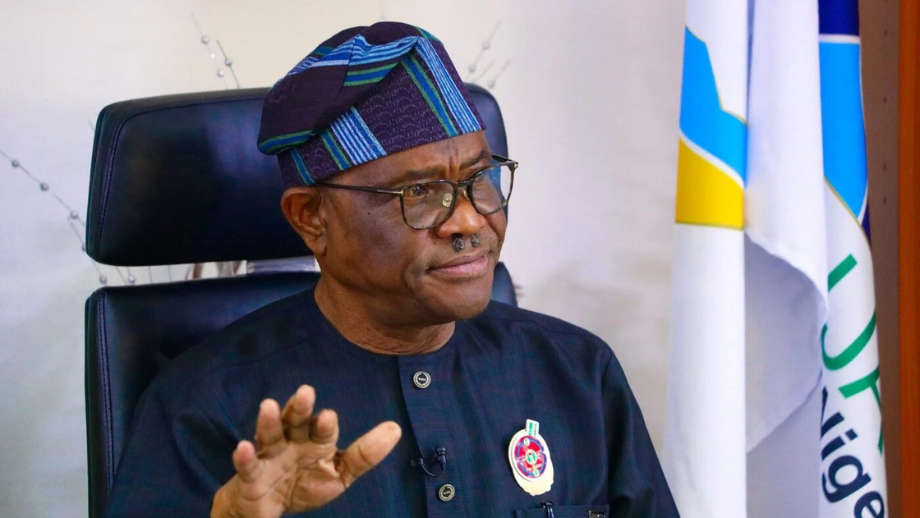
Nyesom Wike
The political atmosphere in Nigeria’s capital is heating up after the Federal Capital Territory Administration (FCTA), under the leadership of Minister Nyesom Wike, announced a controversial directive targeting hotels, event centres, and public facilities in Abuja ahead of the 2027 general elections.
In a move that has sparked debate across political and legal circles, the FCTA warned property owners against allowing “illegal organisations” or political factions not recognised by the Independent National Electoral Commission (INEC) to use their facilities. The administration further threatened that any property found violating the directive risks having its land title revoked.
The announcement comes at a time when several major political parties, including the Peoples Democratic Party (PDP) and Labour Party, are grappling with internal leadership crises and factional disputes that could shape the build-up to the 2027 elections.
FCTA Issues Strict Directive to Abuja Hotels and Event Centres
The directive was disclosed in a statement issued by Lere Olayinka, Senior Special Assistant on Public Communications and Social Media to the FCT Minister.
According to the statement, owners of hotels, event centres, and other public facilities in Abuja must ensure they only transact with leaderships of political parties officially recognised by INEC.
The administration said operators are now expected to verify the legitimacy of groups before approving bookings and maintain proper records of all transactions connected to political gatherings.
The FCTA stressed that all lands within the Federal Capital Territory are allocated strictly for lawful purposes and warned that properties used for gatherings deemed unlawful could face severe sanctions.
“Going forward, title documents of any event centre, hotel or public building that is used for the gathering of illegal organisations will be revoked,” the statement warned.
Wike’s Security Justification Raises Political Concerns
The FCTA defended the directive as part of broader efforts to strengthen security in Abuja and prevent activities capable of disrupting public peace.
Officials argued that increasing political tensions ahead of the 2027 elections have made it necessary to monitor venues that could potentially host gatherings considered destabilising or unlawful.
However, critics are already questioning the implications of the directive, especially regarding political freedom, constitutional rights, and the neutrality of the Federal Capital Territory Administration.
Observers note that the order effectively gives venue owners, and indirectly the FCTA, the power to determine which political factions can legally assemble in Abuja based on INEC recognition.
This is particularly significant as opposition parties continue to battle over leadership legitimacy, with several factions currently pursuing court cases and parallel conventions.
READ ALSO
Who is Sandy Onor? PDP unveils Wike ally and former Senator as 2027 presidential candidate
PDP, Labour Party Crises Add New Dimension
The directive arrives amid intensifying internal disputes within key opposition parties.
The Peoples Democratic Party (PDP) remains divided over competing leadership structures, while the Labour Party has also witnessed prolonged factional battles involving rival executives and court interventions.
Political analysts believe the FCTA’s emphasis on INEC-recognised leaderships may directly affect factions attempting to organise meetings, consultations, conventions, or stakeholder gatherings in Abuja.
Some legal experts argue that the directive could trigger constitutional debates over freedom of association and whether administrative authorities can restrict political gatherings based on recognition disputes still pending in court.
Others insist the move may simply reflect heightened security concerns in the nation’s capital as political activities accelerate ahead of 2027.
Fear of Political Suppression Emerges
Civil society groups and opposition supporters have also begun expressing concerns that the policy could be weaponised against dissenting voices or smaller political tendencies.
The warning about revoking land titles has particularly generated attention because of its severity and potential economic consequences for property owners.
Hotel and event centre operators in Abuja may now face increased scrutiny whenever political organisations seek to rent their facilities.
Industry stakeholders fear the directive could create uncertainty for businesses that rely heavily on conferences, conventions, and political events for revenue generation.
Despite the controversy, the FCTA insists the measure is necessary to maintain peace, law, and order within Abuja during what is expected to become an increasingly tense political season.
Abuja Political Climate Intensifies Ahead of 2027
Nigeria’s political landscape is already witnessing early alignments, defections, coalition talks, and party restructuring ahead of the next general elections.
With Abuja serving as the nation’s political nerve centre, analysts expect tensions around party leadership legitimacy and political mobilisation to continue escalating in the coming months.
The latest directive from the Wike-led FCTA is therefore likely to remain a major talking point in Nigeria’s political discourse, especially as parties prepare for conventions, primaries, and strategic negotiations.
For now, hotel owners, event managers, and political actors in Abuja are left navigating a rapidly evolving political and regulatory environment that could significantly shape pre-election activities in the capital.
FAQ
Why did Wike issue a directive to Abuja hotels and event centres?
The FCTA said the directive was introduced to strengthen security in Abuja and prevent facilities from hosting gatherings of organisations considered illegal or politically destabilising ahead of the 2027 elections.
What did the FCTA warn Abuja property owners about?
The administration warned that hotels, event centres, and public facilities used by illegal organisations or unrecognized political factions risk having their land titles revoked.
What does “INEC-recognised leadership” mean?
INEC-recognised leadership refers to political party executives officially acknowledged by the Independent National Electoral Commission as the lawful leadership of a political party.
Which political parties are affected by the directive?
The directive could affect parties currently facing internal leadership disputes, including factions within the PDP and Labour Party.
Can Abuja event centres legally refuse political groups?
Under the new directive, event centres are expected to verify the legality and INEC recognition status of political organisations before approving bookings.
Why is the directive controversial?
Critics argue that the policy could suppress political opposition, limit freedom of association, and allow authorities to indirectly control political gatherings in Abuja.
Is the FCTA allowed to revoke land titles?
The FCTA has authority over land administration in Abuja under Nigeria’s Land Use Act, but any revocation could still face legal challenges depending on the circumstances.
How does this affect the 2027 elections?
The directive adds a new layer of political tension ahead of the elections, especially for parties battling internal factional disputes and leadership crises.
What role does security play in the directive?
The FCTA insists the measure is intended to support security agencies and prevent gatherings capable of threatening public peace and order in Abuja.
Could this policy impact opposition parties?
Political analysts believe opposition factions involved in leadership disputes may face difficulties securing venues in Abuja if they are not recognised by INEC.