

“Stop deceiving Nigerians” — Makinde challenges Tinubu as Senate moves to fast-track state police

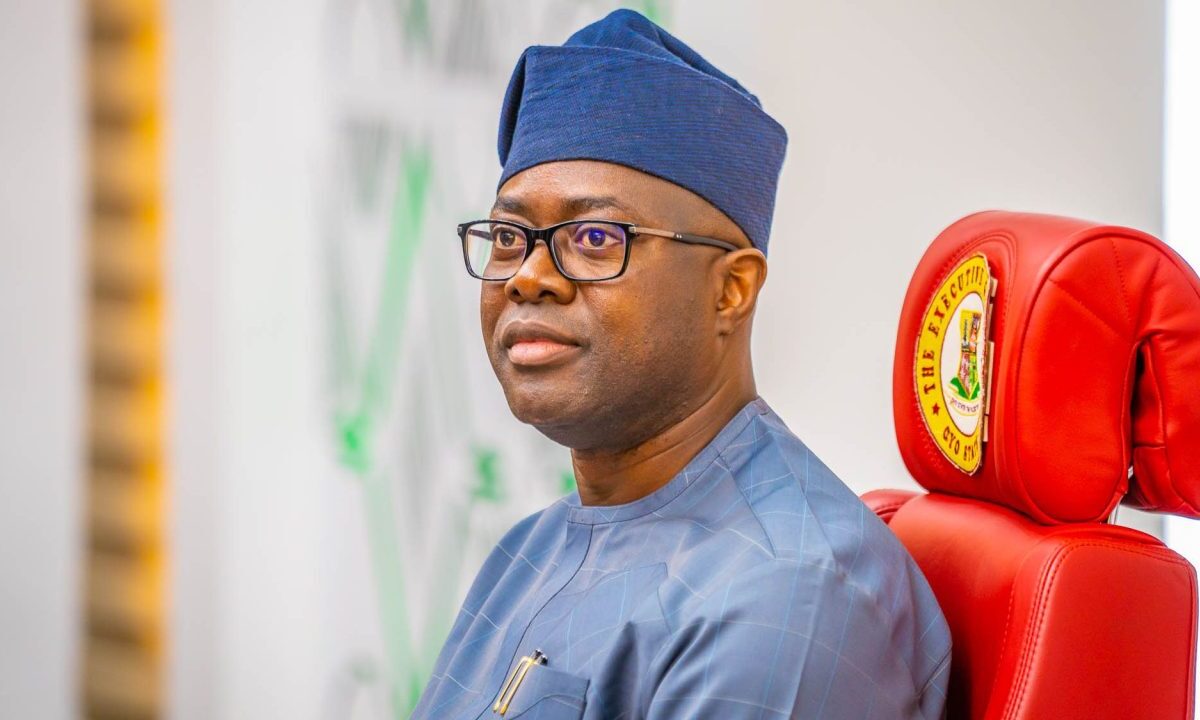
Seyi Makinde
The national conversation surrounding state police in Nigeria has intensified after Oyo State Governor Seyi Makinde accused the federal government of “deceiving Nigerians” over the implementation of decentralised policing, even as Senate President Godswill Akpabio disclosed that the Presidency and National Assembly were working on a constitutional framework to fast-track the initiative.
The renewed debate comes amid worsening insecurity across parts of Nigeria and increasing calls for state governments to play a more direct role in internal security management.
Speaking in Ibadan during the primaries of the Allied Peoples Movement (APM), Makinde argued that states do not need to wait endlessly for approval from the federal authorities before establishing state policing structures.
According to him, the creation of the Western Nigeria Security Network, popularly known as Amotekun, already proved that state-backed security outfits can be legally established through state legislation.
Makinde Says States Can Create Police Structures Through Legislation
Makinde maintained that governors and state assemblies already possess the capacity to create local policing structures if given proper constitutional backing.
The governor explained that the South-West states jointly passed laws through their respective Houses of Assembly to establish Amotekun after efforts to secure state police stalled at the federal level.
He described the regional security outfit as a “stopgap measure” created to address insecurity in the absence of formal state police.
“Stop deceiving Nigerians,” Makinde declared, insisting that state police should not depend solely on directives from the Inspector-General of Police or federal institutions.
He argued that if the federal government truly supports state policing, state assemblies should immediately be empowered to establish and regulate such agencies independently.
Makinde also suggested that political interests slowed down the implementation of Amotekun in Lagos State, claiming influential political actors were uncomfortable with the initiative at the time.
Tinubu Renews Support for State Police
Makinde’s remarks came just days after President Bola Ahmed Tinubu reiterated his support for state police during activities surrounding his acceptance of the APC presidential ticket for the 2027 election.
Tinubu reportedly described the creation of state police as a “national emergency,” urging lawmakers to amend the Constitution to accommodate decentralised policing structures.
The President had earlier backed discussions on state policing during meetings with governors and the National Economic Council in 2024, as insecurity continued to threaten communities across the country.
Under the current constitutional arrangement, policing remains under the exclusive control of the federal government through the Nigeria Police Force.
However, growing concerns over banditry, kidnappings, terrorism, and attacks on rural communities have renewed pressure for a restructuring of Nigeria’s security architecture.
READ ALSO
Oyo school abduction: Terrorists open talks with Makinde Government
Akpabio Reveals National Assembly’s Constitutional Plan
Meanwhile, Senate President Godswill Akpabio disclosed that the Presidency and the National Assembly were already developing a constitutional framework to establish state police nationwide.
Speaking after a Sallah visit to President Tinubu in Lagos, Akpabio said the proposed framework would allow states to participate directly in securing lives and property while maintaining national standards through federal oversight.
According to him, lawmakers are considering the creation of a National State Police Commission that would regulate recruitment, promotions, training, and operational conduct of state police formations across Nigeria.
Akpabio explained that the commission would ensure that state policing structures operate within a unified national security standard while preventing possible abuse by political actors.
The Senate President argued that insecurity had improved under Tinubu’s administration but admitted that more work remained, especially in protecting vulnerable “soft targets” such as schools, churches, and mosques.
Concerns Over Abuse and Political Control Persist
Despite increasing support for state police, concerns remain about possible misuse by governors against political opponents.
Critics of decentralised policing have repeatedly warned that state police could become tools for political intimidation, election manipulation, and suppression of dissent.
Former President Muhammadu Buhari’s administration had consistently opposed the idea, citing fears of abuse and weak institutional safeguards.
However, supporters argue that Nigeria’s security challenges require localised intelligence gathering and community-based policing strategies that federal policing alone cannot effectively deliver.
Security analysts believe that states understand their unique security realities better and can respond faster to threats if empowered with operational policing authority.
Growing Pressure for Security Reform
The renewed push for state police reflects broader frustrations over insecurity in Nigeria, especially in rural communities frequently targeted by armed groups.
Many Nigerians believe decentralised policing could improve response time, strengthen intelligence gathering, and reduce pressure on federal security agencies.
As discussions continue between the Presidency and the National Assembly, the debate over state police is expected to remain a dominant national issue ahead of constitutional amendment deliberations and the 2027 political cycle.
For now, the growing disagreement between Makinde and the federal government highlights both the urgency and complexity of security reform in Africa’s most populous nation.
FAQ
What is state police in Nigeria?
State police refers to a decentralised policing system where individual states operate their own police forces alongside federal security agencies.
Why is Nigeria discussing state police?
Nigeria is discussing state police because of rising insecurity, including banditry, terrorism, kidnapping, and attacks on communities across the country.
What did Seyi Makinde say about state police?
Governor Seyi Makinde said states should stop waiting for the federal government and instead establish policing structures through state legislation, similar to Amotekun.
What is Amotekun?
Amotekun is the Western Nigeria Security Network established by South-West states to help tackle insecurity through local intelligence and community-based security operations.
Does President Tinubu support state police?
Yes. President Bola Tinubu has publicly backed the creation of state police and called it a national emergency requiring constitutional amendments.
What did Akpabio reveal about state police?
Senate President Godswill Akpabio disclosed that the Presidency and National Assembly are working on a constitutional framework to fast-track state police implementation.
Will state police replace the Nigeria Police Force?
No. Current proposals suggest state police would operate alongside the Nigeria Police Force under a regulated national framework.
Why are some Nigerians against state police?
Critics fear governors may misuse state police against political opponents or use them for election intimidation and suppression of dissent.
How would state police improve security?
Supporters believe state police would improve local intelligence gathering, faster response to threats, and better community policing.
Is state police currently legal in Nigeria?
No. Full state police structures require constitutional amendments because policing currently falls under federal authority.
Which states already have local security outfits?
Several South-West states operate Amotekun, while other regions have created local vigilante and community security initiatives.
When could Nigeria implement state police?
Implementation depends on constitutional amendments and agreements between the Presidency, National Assembly, and state governments.